Richemont, the parent company of Cartier, reported a 13% year-over-year increase in sales at constant exchange rates during the same period last year.
This growth stands out as a rare positive in a luxury sector facing weak demand.
What Happened
Richemont, which owns Cartier and other premium brands, said sales rose 13% compared to the same period last year.
The increase is based on data from its retail operations, including flagship stores and online sales.
It occurs despite broader economic challenges, such as inflation, changing spending habits, and global economic instability.
Key Facts
- Richemont reported a 13% year-over-year sales increase at constant exchange rates.
- The data adjusts for currency changes, showing real sales performance.
- Cartier remains a core brand, playing a major role in the results.
- Overall luxury demand has weakened, with many consumers delaying purchases.
The company did not break down which brands or regions drove the growth.
It also did not offer predictions about future sales performance.
Background: How the Luxury Sector Is Performing
Luxury goods have faced ongoing difficulties in recent years.
Consumer confidence has dropped. Many buyers now prefer affordable or practical products.
High inflation and rising interest rates have made borrowing more expensive, reducing spending on non-essential items like watches and jewelry.
Richemont’s result is a positive sign in this environment—but it does not mean the sector is recovering.
Why It Matters
Richemont’s sales growth shows that some luxury brands can still attract customers during tough economic times.
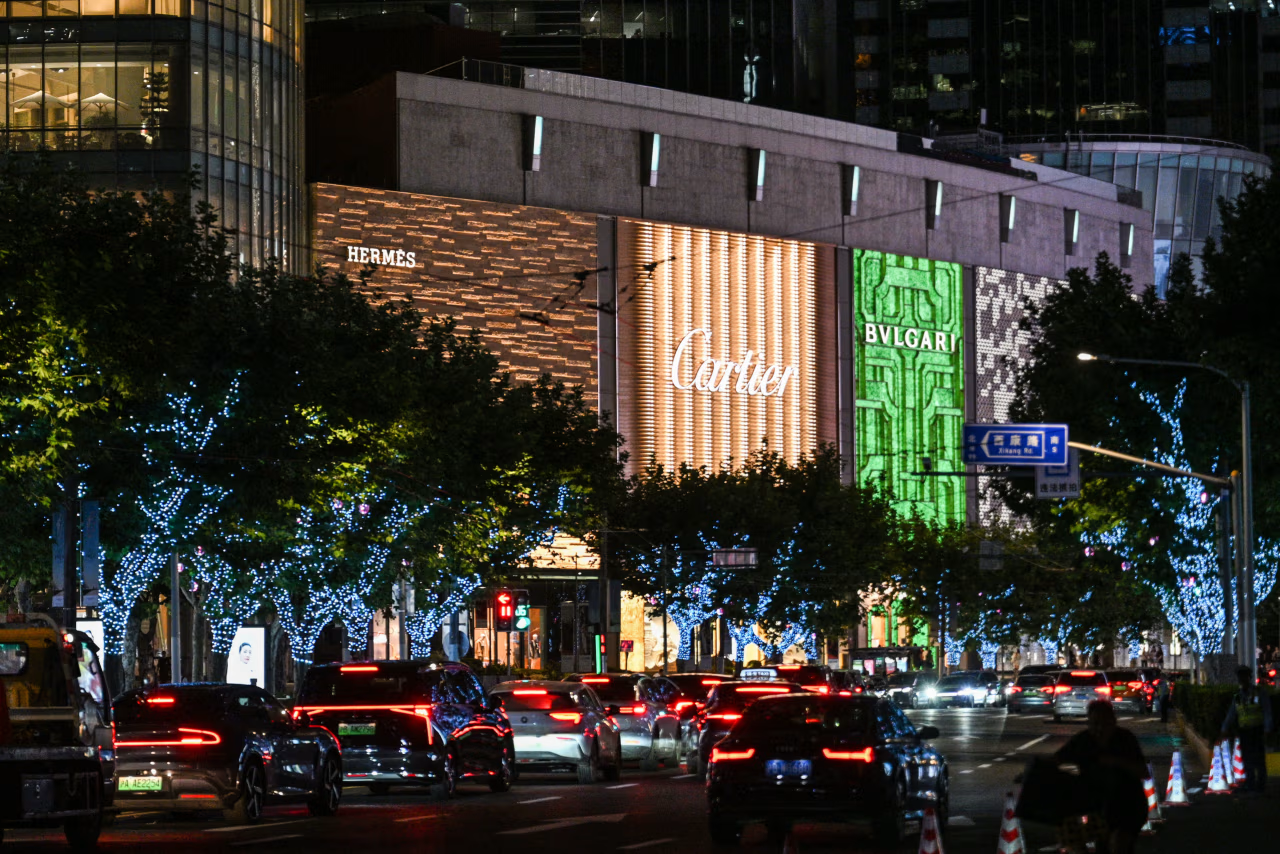
It highlights the strength of brands with strong heritage and reputation.
For investors and analysts, it offers insight into how established brands handle economic pressure.
Limitations and Open Questions
It does not include profit margins, which may have dropped due to higher costs or lower volumes.
It’s unclear whether the growth is lasting or just a short-term rebound.
Richemont didn’t identify which markets or product lines contributed most to the rise.
Analysts stress that one brand’s performance does not reflect a full sector recovery.
What to Watch Next
Richemont will likely release updated financial results in the coming months.
Investors and industry watchers will look for signs of broader recovery in high-end retail.
Any new data on consumer trends or brand performance could clarify whether the growth is a trend or a one-time event.
For now, the result remains a bright spot in a difficult market.
Source: The Wall Street Journal
Sources & further reading
Featured image: original publisher image. Via original publisher. Image source