A letter to The Guardian explores the naming of sea bass, a common fish in European and American cuisine. Source: theguardian.com.
Sea Bass: Names and Naming Conventions
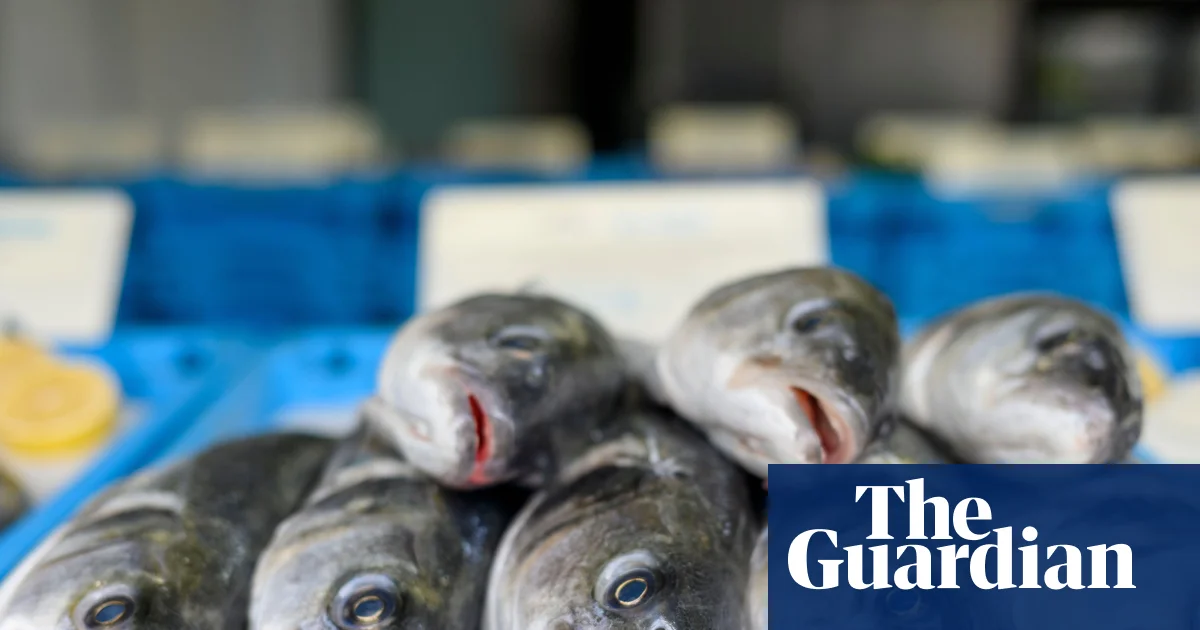
The scientific name for the fish is Dicentrarchus labrax. In English, it is properly known as the European seabass.
However, ‘sea bass’ is also widely used and accepted.
In the United States, the fish is most commonly called branzino.
That name comes from Italy and is common in American kitchens and menus.
Andrew J Dolson from Richmond, Virginia, prefers the French name loup de mer, meaning ‘wolf of the sea’.
He says it evokes ‘all flashing teeth and the small thrill of danger’.
This name adds excitement to the fishing experience.
Multiple names exist, but choice often reflects personal or cultural preference, not scientific accuracy.
Public Opinion on the NHS
A letter discusses public views on the UK’s National Health Service (NHS).
Most people support free healthcare at the point of need.
But very few are willing to pay for it directly.
This shows a public expectation of universal, tax-funded healthcare.
Pete Lavender from Nottinghamshire says: ‘Generally, the majority want an NHS free at the point of need, but very few want to pay for it.’
Concerns Over Historic Objects
Another letter raises concern about a historic globe being destroyed by US Department of Defense staff.
Tim Smith from Settle, North Yorkshire, questions whether this incident echoes the department’s actions abroad.
The globe was described as ‘priceless’ and was broken by staff who had requested it for an office.
He suggests the act may reflect a pattern of impulsive decisions about valuable cultural items.
Photography Restrictions in Hospitality
Patrick Dodds from Hay-on-Wye writes about growing restrictions on photoshoots in hotels, restaurants, and beauty spots.
He thanks the publication for highlighting these practices.
Such rules are often said to protect brand image or privacy.
A Personal Memory of a Wedding Gift
Maureen Lennard-Brown received an Addis broom and brush set as a wedding gift in 1961.
This was 11 years before Stella Sadler mentioned a similar gift in a previous letter.
It shows a lasting personal connection to a simple object.
These letters reflect everyday experiences—like food names or personal gifts—that reveal deeper cultural values.
Though brief, these reflections show public attitudes, traditions, and how people see identity, history, and belonging.
For readers interested in food culture, sea bass names show how language shapes culinary identity.
The discussion also touches on trust in institutions like the NHS and concerns about cultural heritage.
Explore more on these topics through our Weekly Tarot Reading or by reading about food traditions in the UK.
Sources & further reading
Featured image: original publisher image. Via original publisher. Image source