The Desert Shield and Desert Storm Memorial has been officially dedicated on the National Mall in Washington, D.C. It honors American service members who participated in the Gulf War operations of 1990–1991, marking a significant milestone in the recognition of U.S. military service during the Gulf conflict. Source: smithsonianmag.com.
What Happened
On a recent weekend, officials formally opened the new memorial located just north of the Lincoln Memorial. The dedication was livestreamed, allowing veterans and their families to join in real time from remote locations.
This is the first permanent public tribute to those who served in Desert Shield and Desert Storm. It honors nearly 700,000 U.S. troops who deployed across the Middle East during the operations.
Key Facts
- The memorial was funded entirely through private donations, including from Veterans of Foreign Wars chapters and the State of Kuwait.
- It cost $42 million to build and is managed by the National Park Service.
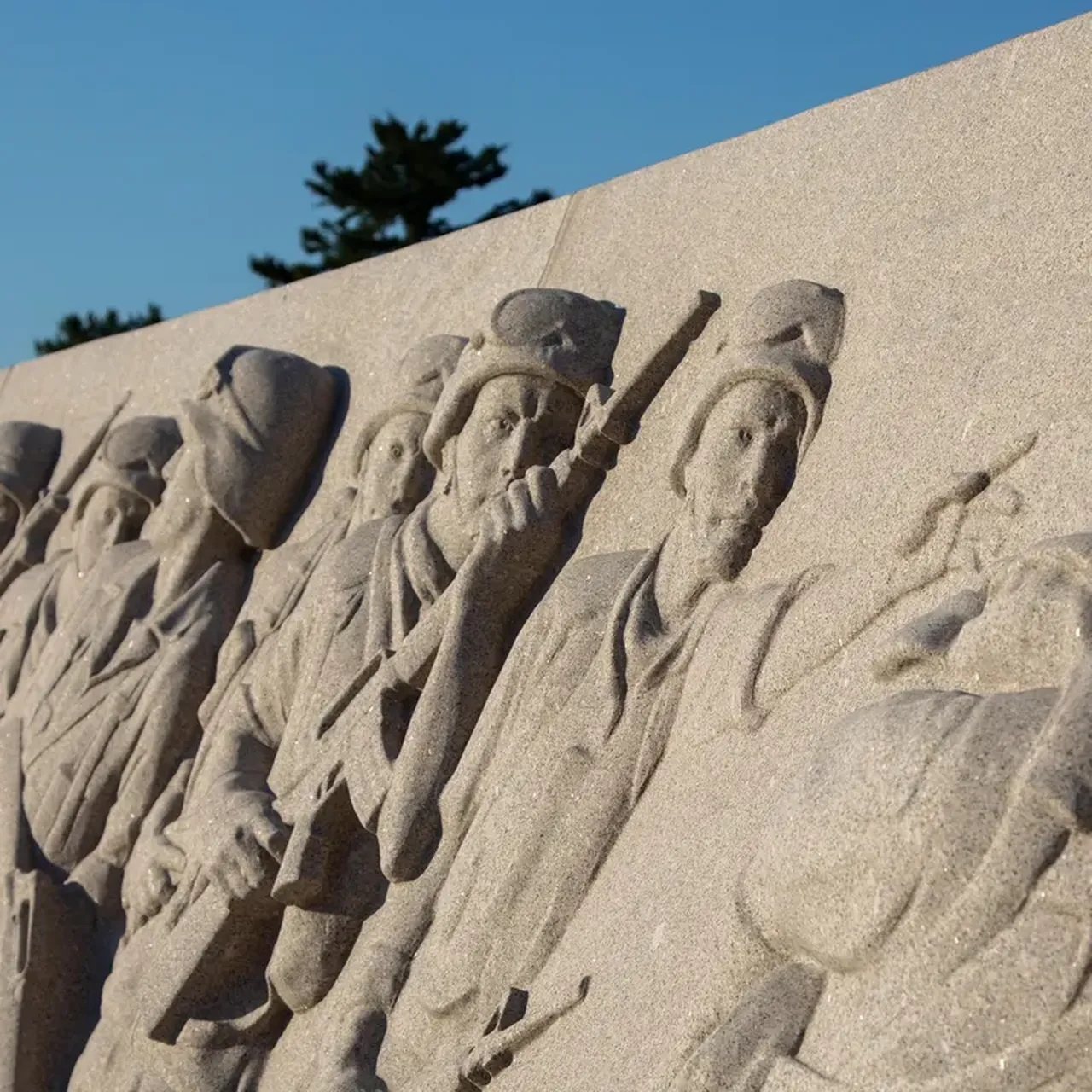
- It features a 125-foot bas-relief that traces the conflict from the Iraqi invasion to the liberation of Kuwait.
- It honors about 300 service members who died during the operations.
- The design draws from a desert oasis and reflects the ‘left hook’ tactical maneuver used by General H. Norman Schwarzkopf.
Background: How the Operations Unfolded
In August 1990, Iraqi forces invaded Kuwait under Saddam Hussein’s orders. The invasion aimed to control Kuwait’s oil and claimed Kuwaiti land was part of Iraq.
The move drew global criticism. In response, the United States launched Operation Desert Shield in Saudi Arabia. The goal was to protect the country and build a coalition to liberate Kuwait.
When Iraq refused to withdraw, the coalition launched Operation Desert Storm in January 1991. It began with airstrikes on Iraqi targets. A ground offensive followed in late February and lasted about 100 hours. Iraqi forces were fully expelled from Kuwait.
Design and Features
The memorial is designed for reflection. It resembles a desert oasis with natural elements that mirror the Gulf region.
Visitors walk a circular path. It includes two sand-colored granite walls.
The Storm Wall has a 125-foot bas-relief by sculptor Emily Bedard. It shows the conflict’s timeline—from invasion to liberation.
The Inscription Wall has two wreaths and inscriptions honoring those who served and died.
At the center is the Unity Shield Fountain. It is 28 feet wide and engraved with the names of 41 nations in the Gulf War coalition.
Two sculptures symbolize the U.S.-Kuwait partnership: one is an American bald eagle, the other a Kuwaiti falcon.
Why It Matters
Many veterans say the Gulf War is often forgotten. Deborah Trone, a veteran of the 10th Mobile Army Surgical Hospital, said during a livestream: ‘It’s a part of history and it feels like sometimes it’s forgotten.’
Scott Stump, a Desert Storm veteran and memorial leader, said the goal is to inspire visitors. He wants people to feel a personal connection and understand the war was not just a 100-hour fight. ‘It’s not a 100-hour war,’ he said. ‘It was a complex, sustained effort.’
Limitations and Open Questions
The memorial does not list every individual who served.
Its location on the National Mall ensures public access, but it may not reach all veterans or families, especially in rural areas.
What to Watch Next
Future efforts may include educational programs, guided tours, or digital resources. As more veterans age, such memorials may become even more vital. Similar tributes for other conflicts could emerge in the coming years.
Did you know? Operation Desert Storm marked the first combat use of the Fairchild Republic A-10 Thunderbolt II, known as the ‘Warthog.’ During the operation, these planes destroyed an estimated 900 tanks, 2,000 military vehicles, and 1,200 artillery pieces.
For more on how U.S. military operations shaped modern defense, visit Chiricahua National Park: America’s Newest National Park.
Sources & further reading
Featured image: original publisher image. Via original publisher. Image source