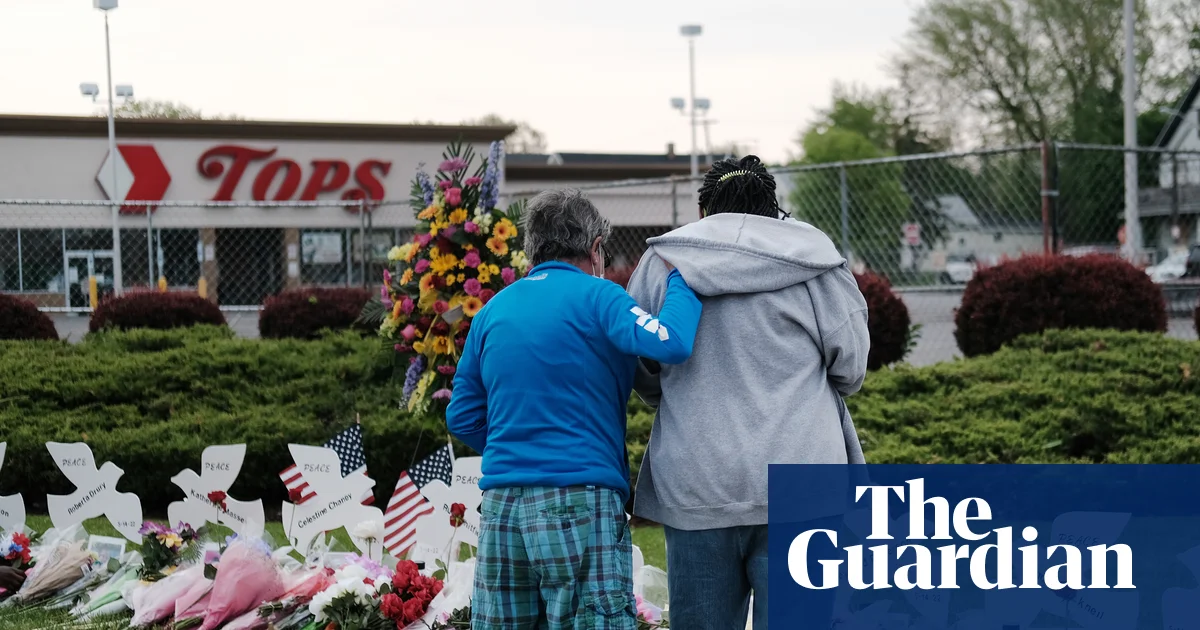
New York’s highest court has ruled that major social media companies are not liable for the 2022 Buffalo supermarket shooting. Source: theguardian.com.
What the Court Ruled
The court of appeals upheld a lower court decision to dismiss lawsuits against Facebook, YouTube, Reddit, and Amazon (via Twitch).
The plaintiffs argued that platform design and content moderation helped radicalize Payton Gendron, the shooter.
The court found no direct link between the companies’ platform decisions and Gendron’s actions.
Key Facts About the Case
- Victims ranged in age from 32 to 86, including Celestine Chaney, Geraldine Talley, and Roberta Drury.
- Payton Gendron, who is white, said in 2023 he acted out of hate after reading online conspiracy theories.
- Gendron described himself in a diary as an online addict with serious mental health decline.
- The lawsuits were filed by victims’ families more than four years after the attack.
- Jury selection is ongoing for Gendron’s federal hate crimes trial, which could result in a death sentence.
Background: How the Lawsuits Developed
The lawsuits claimed social media platforms promoted extremist content and encouraged compulsive use.
Albany judges examined whether platform features—like algorithms and moderation—created a foreseeable risk of violence.
Dissenting judges, including Judge Jenny Rivera, said the families had enough evidence to move forward.
Why the Ruling Matters
The decision sets a legal precedent on when social media platforms can be held liable for radicalization.
It does not excuse harmful content, but limits legal responsibility for design choices not directly linked to violence.
Experts say this may shape how future cases evaluate online behavior and real-world harm.
Limitations and Open Questions
The ruling did not address whether platforms should be held accountable for spreading hate or extremism.
It also did not examine links between user mental health and violent outcomes.
Advocates say this highlights gaps in how digital platforms are held responsible for harmful content.
What to Watch Next
Gendron’s federal hate crimes trial may reveal how online content and mental health connect to real-world violence.
Legal experts will likely assess whether similar cases could emerge in other communities.
For more on social media’s role after the Buffalo shooting, see the original Guardian report.
For a similar case in Australia, explore the Helen Haines case.
For broader context on social media’s influence in the U.S., see related coverage.
Matthew Bergman, representing Heyward Patterson’s family, said families deserve accountability when design choices contribute to real-world harm.
He said the family is now reviewing legal options after the court’s decision.
Sources & further reading
Featured image: original publisher image. Via original publisher. Image source