Stanley Kubrick’s filmography spans 13 movies, each celebrated for its visual style and narrative depth. A recent ranking by Rotten Tomatoes reflects critics’ assessments of these works, offering a clear view of their reception over time. Source: mentalfloss.com.
Top-Ranked Kubrick Films
Dr. Strangelove (1964) leads the list with a 97% approval rating. The film is a sharp satire of Cold War nuclear brinkmanship, featuring Peter Sellers in a standout performance as multiple characters, including a U.S. president and a rogue general.
Paths of Glory (1957) follows closely with a 96% rating. It tells the story of a French officer and his soldiers during World War I, confronting a morally complex mission. The film is praised for its emotional depth and realistic portrayal of military duty.
This neo-noir thriller centers on a criminal mastermind who recruits a team to rob a racetrack. When a member leaks the plan, chaos ensues, highlighting the film’s tense, suspense-driven structure.
Iconic Science Fiction and Historical Epics
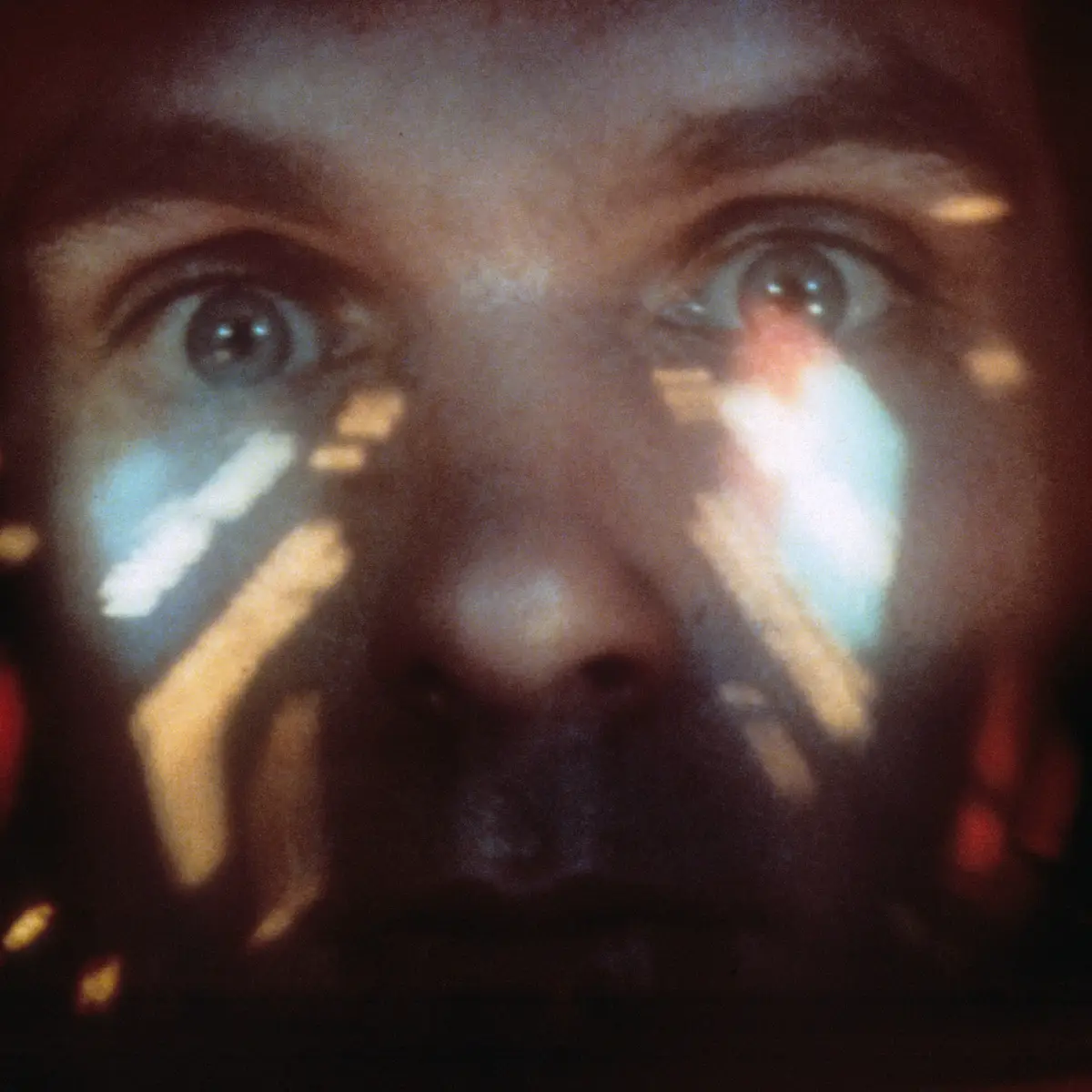
2001: A Space Odyssey (1968) holds a 91% rating. A landmark in science fiction cinema, it blends visual innovation with philosophical themes. Kubrick co-wrote the film with Arthur C. Clarke, combining technical precision with meditative storytelling.
Spartacus (1960) scores 90%. The film follows the journey of a slave from gladiator trainee to rebel leader. With a strong cast including Kirk Douglas, Laurence Olivier, and Jean Simmons, it delivers both historical drama and emotional resonance.
Controversial and Thematic Works
Full Metal Jacket (1987) receives a 84% rating. It portrays the brutal realities of the Vietnam War, with R. Lee Ermey as a drill sergeant and Matthew Modine as a soldier. The film is noted for its intense training sequences and psychological depth.
A Clockwork Orange (1971) earns 83%. Based on Anthony Burgess’s novel, it depicts a young gang’s violent escapades. Malcolm McDowell’s performance as Alex is widely regarded as iconic, though the film is disturbing in tone and content.
Lolita (1962) also scores 83%. Kubrick adapts Vladimir Nabokov’s novel about a man’s obsession with a young girl. James Mason delivers a haunting performance as Humbert Humbert, while Sue Lyon and Shelley Winters bring emotional weight to the roles.
Thrillers and Horror
Killer’s Kiss (1955) is rated 81%. It follows an aging boxer who ventures into the city’s underbelly to rescue his girlfriend. The film combines stylish visuals with a lean, suspenseful plot.
Eyes Wide Shut (1999) earns 79%. A surreal exploration of desire and marital tension, it stars Tom Cruise and Nicole Kidman. The film follows Cruise’s descent into a secretive, elite social world, blending intimacy with psychological unease.
Barry Lyndon (1975) receives a 77% rating. Based on William Makepeace Thackeray’s novel, it chronicles a man’s rise through 18th-century English society. Ryan O’Neal’s performance as Lyndon is commanding, and the film is visually rich and meticulously crafted.
Horror and War Films
The Shining (1980) scores 75%. Kubrick’s only horror film, it is based on Stephen King’s novel. Jack Nicholson plays a writer who takes a job at an isolated hotel, only to face psychological unraveling. The film is widely regarded as a landmark in horror cinema.
Fear and Desire (1953) finishes at 70%. Kubrick’s debut film explores the psychological toll of war. Four soldiers trapped behind enemy lines face madness and mortality, seeking survival. The film is seen as a powerful early statement of his directorial vision.
While all of Kubrick’s films are visually striking and narratively ambitious, their critical reception varies. The ranking reflects a range of themes—from satire and war to science fiction and psychological horror.
Some viewers may find the lower ratings for films like The Shining or Eyes Wide Shut surprising. However, these films are often interpreted through different lenses—emotional, thematic, or psychological—rather than purely in terms of conventional narrative structure.
For cinephiles, the list prompts debate. The diversity of Kubrick’s work shows his ability to master multiple genres with equal rigor. Each film stands as a distinct achievement in cinematic history.
Sources & further reading
Featured image: original publisher image. Via original publisher. Image source