For decades, the diet and fitness industry has promoted weight loss as a matter of simpler habits—eating less, exercising more. Now, GLP-1 medications are shifting that narrative. Source: muscleandfitness.com.
What GLP-1s Are Doing Differently
GLP-1 medications reduce hunger and food intake by acting on the brain’s appetite centers. This biological effect goes beyond diet plans that rely solely on behavior changes.
A 2026 randomized trial in the American Journal of Clinical Nutrition found that adults on semaglutide ate significantly fewer calories than those on a placebo, with stronger appetite suppression early in treatment.
Another 2026 review in Nutrients showed that combining GLP-1 therapies with lifestyle changes led to greater weight loss than lifestyle interventions alone.
Why This Challenges Diet Trends
Many diet programs promise easier access to weight loss by simplifying food choices or timing. GLP-1s complicate that message because they directly affect biological hunger.
As Aimee Dempsey, RD, explains: GLP-1s make the traditional promise of ‘just eat less’ much less compelling because they can actually change the biological drive to eat less.
How Fitness Is Being Revisited
Fitness programs have long sold workouts based on calorie burn and fat loss. GLP-1s make that pitch harder to defend.
A 2026 American Heart Association statement notes that exercise alone rarely leads to meaningful weight loss unless activity levels are extremely high.
Mike Young, PhD, emphasizes that while medication helps with eating, it doesn’t improve physical capability. Medication can help someone eat less, but it cannot improve their ability to lift, climb stairs, carry groceries, play with their children, or maintain independence as they age.
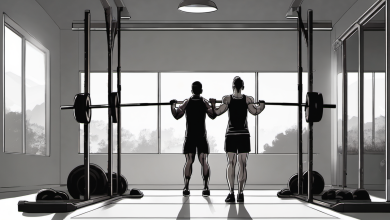
Training remains essential for building strength and daily function. This gives fitness a clearer value proposition: improving physical performance, not just weight loss.
Weight Loss and Muscle Preservation
When weight is lost quickly, it’s not just fat that’s reduced. Lean mass—such as muscle—is part of the total weight loss.
That proportion is similar to lifestyle-driven weight loss. However, resistance training paired with lifestyle changes showed a more favorable lean-mass profile.
A 2026 review in Metabolites warns against treating lean mass and skeletal muscle as interchangeable. Reduced appetite can make it easier to under-eat, especially in active individuals.
As Dempsey stresses: The goal should never be to see how little someone can eat. It should be achieving the health benefits of treatment while maintaining muscle, strength, nutritional adequacy, and quality of life.
What to Watch Next
Experts recommend focusing on protein intake and progressive resistance training to preserve muscle during weight loss.
A 2026 consensus statement in The Lancet Diabetes & Endocrinology urges this approach, emphasizing dietary quality and physical activity.
These findings suggest that diet and fitness won’t disappear—but they must evolve. The focus is shifting from weight loss to overall health, function, and quality of life.
For those seeking practical strategies, pilates with a protein-rich diet may offer a balanced path to strength and wellness.
- GLP-1s reduce hunger, making traditional diet strategies less compelling.
- Exercise still improves physical function, even without significant weight loss.
- Lean mass loss is real and must be monitored to preserve strength.
- Protein intake and resistance training remain critical during treatment.
These developments highlight a growing need for diet and fitness programs to move beyond weight loss and focus on long-term health and capability.
Sources & further reading
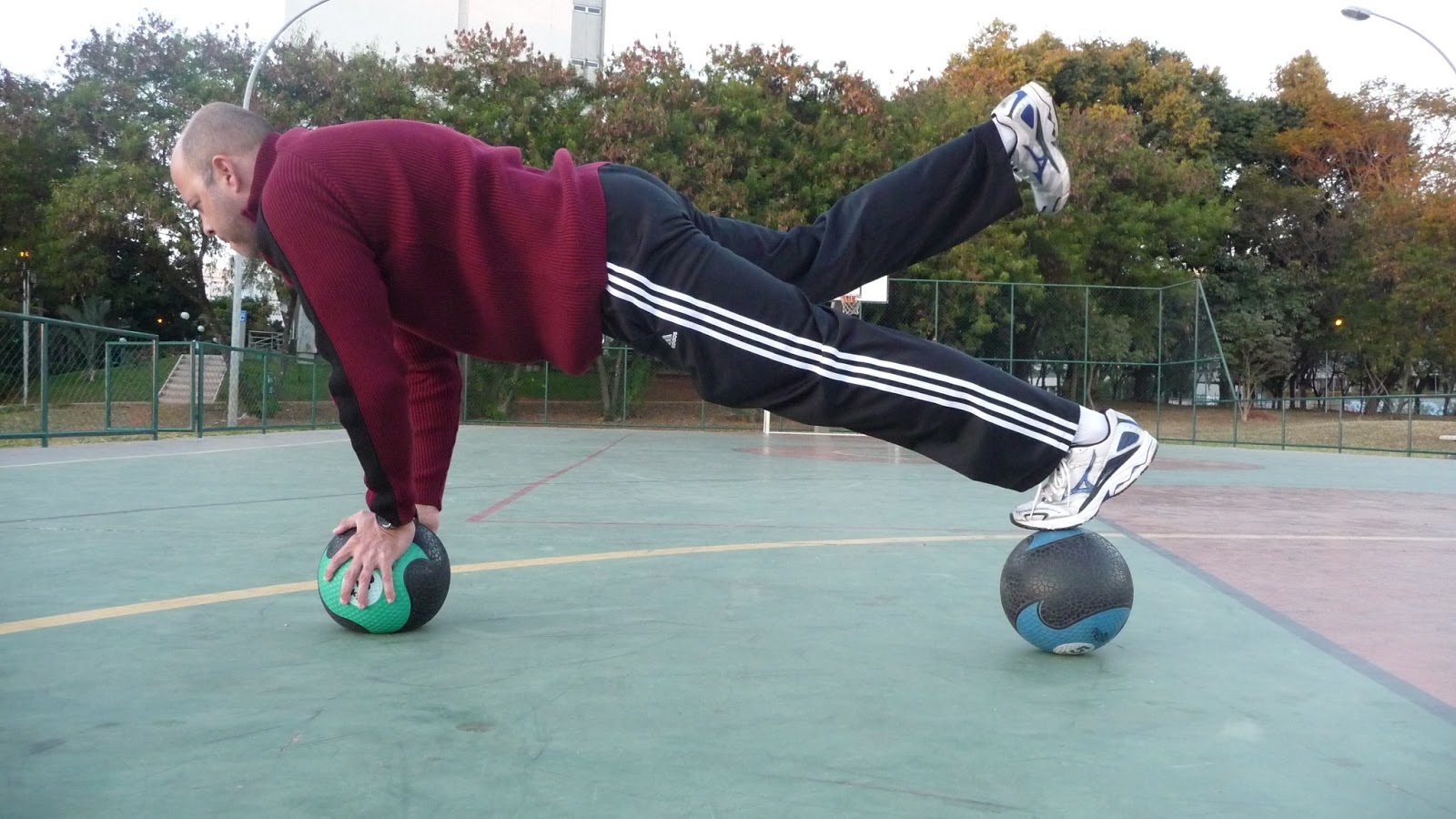
Featured image: Girl exercising doing plank on stability ball.jpg by PTPioneer, CC BY 2.0, via Wikimedia Commons. Image source · License