Games Inbox: Is The Witcher 4 the next big game after GTA 6? Source: metro.co.uk.
This week’s Games Inbox features reader responses on the future of gaming, from the anticipation of The Witcher 4 to concerns about digital distribution and nostalgia for older consoles. The discussion reflects a broader industry conversation about design, accessibility, legacy, and the evolving relationship between players and games.
Anticipation for The Witcher 4
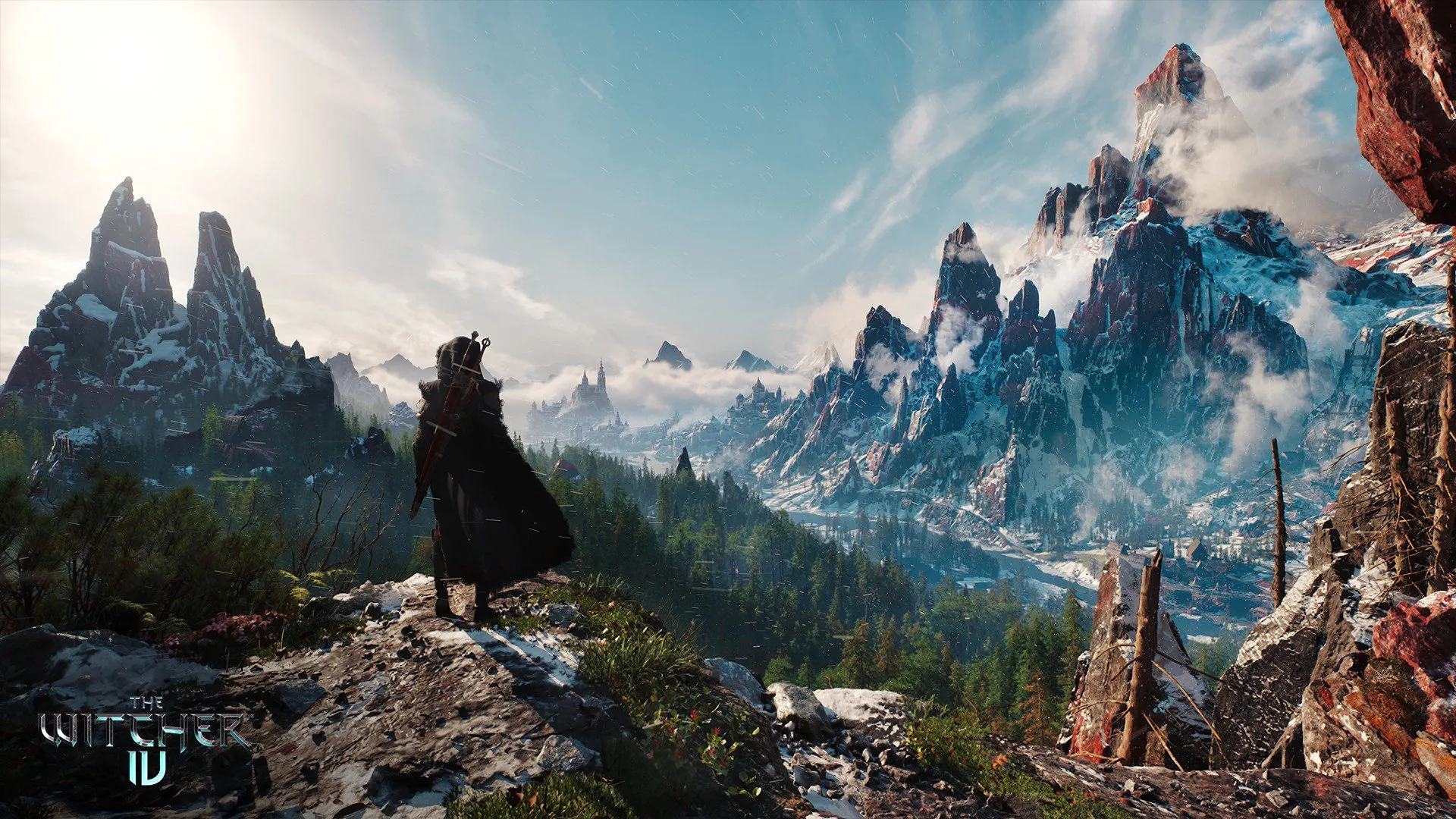
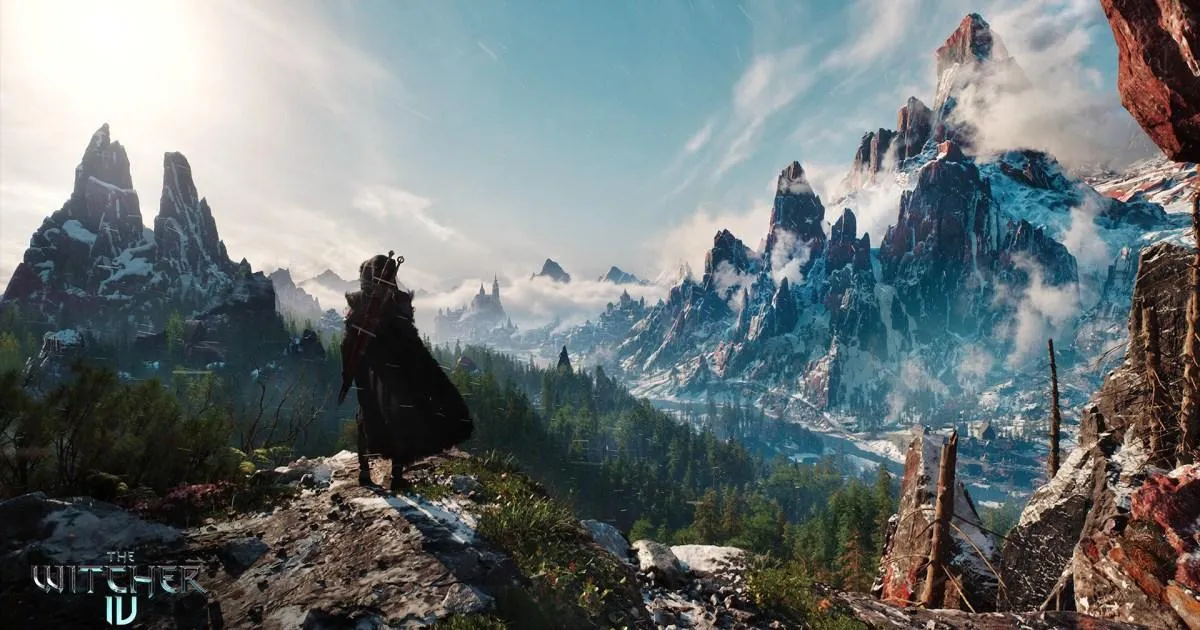
A reader says The Witcher 4 is being set as the next major game after GTA 6.
The reader notes that while The Witcher 4 and GTA 6 aren’t clones, they share design traits like detailed open worlds, immersive cities, and gameplay with combat and driving. These similarities come from a shared vision of expansive, living worlds where players explore, interact, and shape their experiences. This design appeals to fans of story-rich open worlds where environment and narrative are deeply connected.
They name The Elder Scrolls 6: Sentinel as a rival in anticipation, though little is known about it. The reader points to a pre-rendered trailer and an Unreal Engine demo as the only hints about The Witcher 4. These assets offer a glimpse into the game’s potential look and world-building, suggesting a continuation of the fantasy genre with focus on realism and emotional depth.
They compare CD Projekt Red and Bethesda. CD Projekt Red has kept a strong quality standard since Cyberpunk 2077 launched. Bethesda, by contrast, has faced criticism for titles like Fallout 76. CD Projekt Red has not made a major post-launch error. Bethesda’s community engagement has been inconsistent, leading to player frustration and declining trust.
Player Preferences and Game Design
A reader says darts feel out of place in GTA 6. In a world where anything is possible, playing darts—especially with no special mechanics—feels trivial. The reader argues that if the game simulates reality, such activities don’t belong. With Florida’s vast landscape, spending time indoors playing darts is not appealing.
They believe games should focus on meaningful, immersive activities. In a world with mountains, cities, and underwater ruins, darts undermine the sense of scale and possibility. Gameplay should reflect the grandeur of the world, not just copy everyday routines.
Another reader enjoyed the original Zelda: Ocarina of Time on N64 but found the remake unfulfilling. They believe knowing all secrets in advance reduces the joy of exploration. One of the core joys of games—especially in the Zelda series—is discovery and mystery.
They say Breath of the Wild and Tears of the Kingdom have surpassed the original. They welcome Nintendo’s open-world approach and hope future games will surprise and delight. The success of these titles lies in creating a world that feels alive and responsive, where players interact with a dynamic environment.
Concerns About Digital Distribution
A reader worries digital distribution makes games easier to steal. With just a search engine and a VPN, anyone can access full copies of games, films, or books. This shift has changed how content is shared and consumed.
They cite a full 60fps version of Bloodborne—something Sony has refused to do, despite low cost. They argue that the push to digital-only games, combined with AI use, has hurt smaller studios. These studios often lack resources and may be forced to use harsh DRM or face rapid piracy.
They suggest bringing back physical media like cassettes. Such formats are no longer used. They believe physical media offers a tangible connection—like inserting a disc or owning a game—that digital formats have largely lost. The ritual of ownership is gone in the digital age.
Legacy of the Wii
A reader shares happy memories of the Wii, celebrating its 20th anniversary. They say it helped save Nintendo and opened gaming to non-gamers. The Wii’s success wasn’t just in sales—it changed how gaming was seen, bringing it into homes where it was once a niche activity.
They describe the Wii as a perfect companion to the Xbox 360. While the Xbox 360 favored serious action games, the Wii introduced titles like Wii Sports and Super Mario Galaxy that appealed to a wider audience, including children and new players.
They list only a few games they’d play today—Super Mario Galaxy 1 and 2—but say that’s fine. The reader stresses that the Wii’s legacy is in how it made gaming more accessible and inclusive.
They criticize Nintendo’s quick end of support for the Wii. Stopping new games during its peak, followed by the Wii U, was a mistake. They note Nintendo hasn’t repeated this error, which they see as improved judgment.
Community and Online Interaction
A reader recalls writing to GameCentral on Teletext about aggressive players in Gears of War 2 horde mode. Within hours, over 100 friends requested to join. Many formed real-life friendships. They thank the community and note that a group messaging feature was removed—something they find disappointing.

They reflect on how online gaming has evolved from simple multiplayer to rich social ecosystems. Shared gameplay has created lasting bonds that go beyond the game. The removal of features like group messaging weakens the social fabric that once made online gaming powerful.
Franchise Fandom and Future Possibilities
A reader is excited about the discovery of F-Zero GX codes after 23 years. They recently bought a Switch 2 and see it as a sign of renewed interest in retro racing games. The discovery has sparked nostalgia and raised questions about preserving game history.
They argue Nintendo may not care about the F-Zero franchise. The original game was made by Sega’s AV team. They believe the franchise lacks new ideas and may not be revived. The absence of new games reflects a broader trend—Nintendo prioritizes proven franchises over niche titles.
They suggest features like point-to-point racing or open-world missions, similar to the original game. They question whether the real reason for no new F-Zero games is lack of vision or a strategic choice to focus on franchises like Mario Kart. A modern reimagining could honor the roots while offering something fresh.
They ask if there are real-time Pokémon games. The response confirms Pokémon Legends: Z-A has real-time combat. Pokémon Pokopia is a non-combat, cozy game and one of the best releases this year. The reader sees this as a positive shift, showing Pokémon is adapting to modern tastes while keeping its core identity.
Additional Reader Observations
A reader says they watch a GTA 6 movie every night while their wife plays the game. They describe it as a shared experience, blending entertainment and observation. This reflects a growing trend—players now consume media as a shared ritual with loved ones.
Another reader is surprised by a new Warhammer 40,000: Dawn of War announcement. They see it as a strong marketing move. The announcement signals a revival of interest in the franchise, long known for deep lore and strategic gameplay.
What to Watch Next
The debate over digital distribution and player experience continues to shape the industry. As new games emerge, the focus will remain on balancing innovation with player trust, accessibility, and the preservation of gaming’s cultural roots.
Readers remain engaged in discussions about game design, nostalgia, and the future of physical media. These reflections highlight both the excitement and challenges of modern gaming—where technology advances rapidly, but the human connection to play remains central.
Sources & further reading
Featured image: original publisher image. Via original publisher. Image source