Listening bars in Tokyo have existed for over a century. They began as a response to the scarcity of Western music technology in early 20th century Japan. Today, they remain a quiet cultural touchstone — a place where music becomes the central experience. Source: cntraveller.com.
Origins of the Ongaku Kissa
Western music was popular in early 20th century Japan, but sound systems and records were rare and expensive. These early bars offered a practical way to access music using curated vinyl collections and dedicated listening spaces.
Many original venues were in cafés or tea rooms — common social spaces of the time. The design emphasized silence and focus. Conversation was discouraged. Activities like reading or knitting helped guests stay present without interrupting the music.
Cultural historians say the ongaku kissa created a ritual of listening. The ambiance was crafted to feel meditative. Listening became a form of personal and communal reflection. A bust of Beethoven at Café Lion shows deep respect for classical music and the tradition of listening.
Modern Listening Bars in Tokyo
Today, Tokyo has many listening bars that mix tradition with modern design. Some keep the quiet, ritualistic feel of the past. Others add curated playlists, technology, and premium drinks. All still place music at the center of the experience.
Meikyoku Kissa Lion (Café Lion), Shibuya
Founded in 1926, Café Lion is Tokyo’s oldest ongaku kissa and one of the most affordable. Drinks start at ¥550 (£2.65), with a ¥200 (96p) discount on later drinks during the week. All seats face custom speakers and a Beethoven bust — a tribute to classical music.
During daytime hours, phones and talking are discouraged. Guests are encouraged to read or knit. This reinforces silence as a space for presence. The venue is cash-only and has no cover charge. Walk-ins are accepted. Reservations are not needed.
Off Record, Minato City
Located on the 43rd floor of the Fairmont Tokyo, Off Record is a luxury speakeasy-style bar. The entrance is hidden behind music memorabilia — a nod to the original ongaku kissa tradition.
The space has only a few bar seats and low tables. Klipsch Klipschorn speakers deliver a mellow, immersive sound. The playlist rotates through J-pop, British rock, American soul, and reggae. The drinks menu reflects these genres. Cocktails start at ¥3,500 (£16.88). There’s a wide selection of whiskies.
A cover charge of ¥2,500 (£12) applies. Walk-ins are accepted, but reservations are recommended. The high price reflects the location and curated atmosphere. It shows how listening bars have become symbols of luxury.
Pass, Shibuya
Pass launched in March 2026 and has quickly gained attention. It was created by the team behind Vent — a well-known house and techno club — known for its sound design.
The entire back wall has vintage JBL speakers. They amplify a jazz-focused playlist. Guests can choose from a curated list of natural wines, cocktails, and spirits, starting at ¥1,000 (£4.82). A ‘sweet spot’ exists where sound converges and intensifies.
Reservations are recommended but not required. The venue is open to walk-ins. Its new status makes it a key spot for visitors exploring Tokyo’s evolving music culture.
Little Soul Cafe, Setagaya City
Little Soul Cafe looks like a living room. It has two sofas and a long bar. The atmosphere is relaxed and conversational.
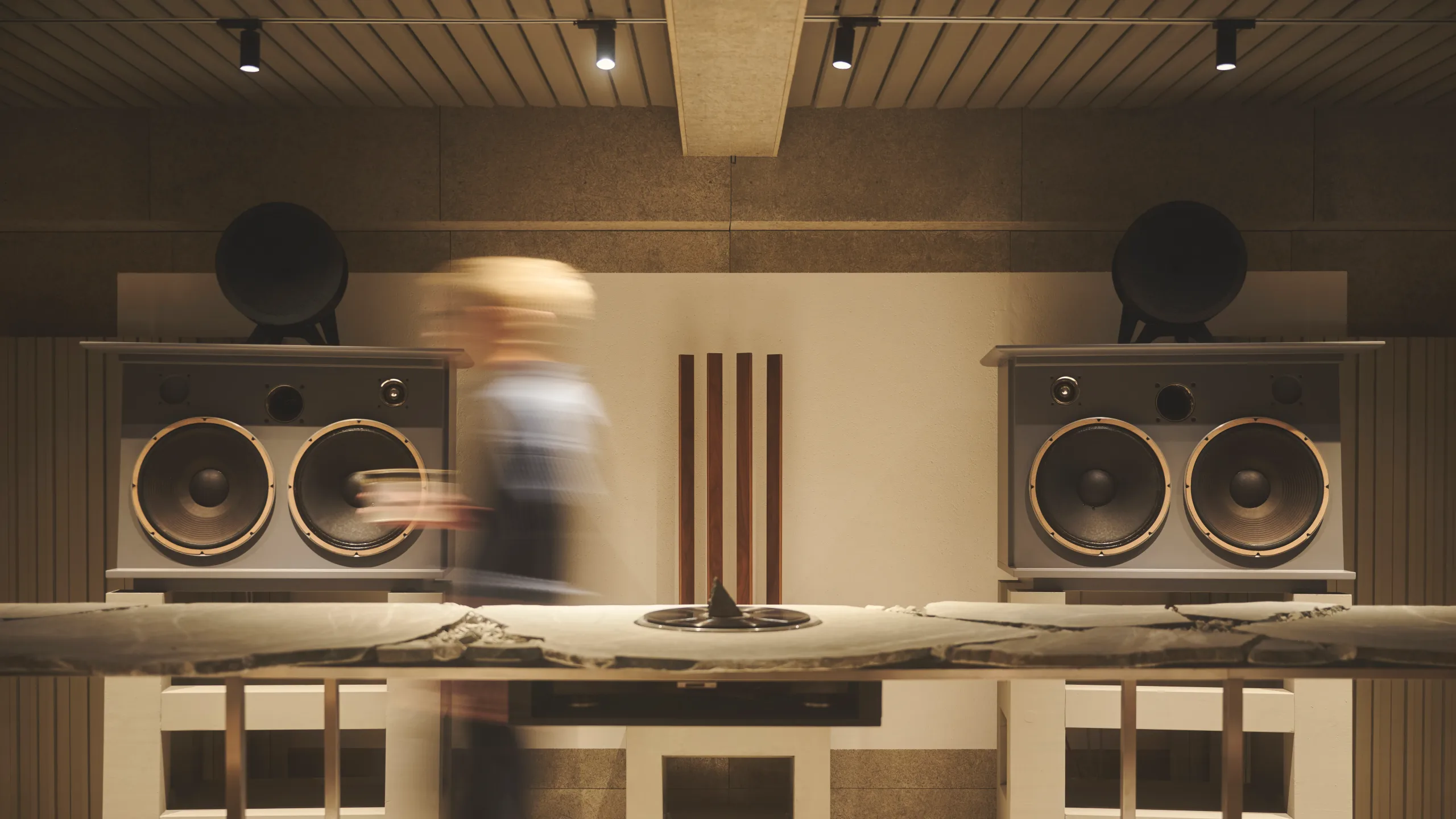
Owner Nobuo Miyamae handpicks funk, jazz, and soul tracks from a personal collection of 14,000 records. Over 300 spirits are available — including rare labels like Taketsuru 17-year-old and Yamazaki 12-year-old. Drinks start at ¥800 (£3.86).
The venue is cash-only. Visitors should make an ATM stop before arriving. This shows how listening bars can blend intimacy with personal taste and cultural memory.
Eagle, Shinjuku City
Founded by jazz critic Masahiro Goto in 1967, Eagle has long been a jazz hub. It features a 12,000-item vinyl and CD collection, played on vintage JBL speakers.
During the day, no talking is allowed. Guests fully immerse themselves in the music. From 6pm, light conversation is permitted. Food is served — including pizzas and pastas. Drinks start at ¥750 (£3.62).
Dedicated listening sessions are held on Sundays. These are ticketed events. They happen when the venue is otherwise closed. These events show how music and community are shared in a cultural rhythm.
Recoco, Shibuya
Recoco offers a modern listening experience. Every seat has a turntable and Sony headphones. Guests pick from about 500 vinyls — covering J- and K-pop to funk, jazz, and soul.
Private rooms are available for deeper immersion. Drinks start at ¥640 (£3.09). Desserts are offered. A second location exists in Shimokitazawa. The venue is cash-only and has a cover charge of ¥1,320 (£6.37) per person.
Walk-ins are accepted. Reservations are not required. This model blends affordability with a modern, interactive experience — showing how the tradition is being reimagined.
Why These Spaces Matter
Listening bars offer a rare escape from Tokyo’s fast pace. In a city full of energy, these spaces provide stillness. They reflect a cultural value: the importance of listening — not just to music, but to the world around us.
Each bar has a unique character. Some focus on tradition. Others embrace innovation. All center music as the main experience. These spaces are not just about music. They are about presence — being fully in the moment, with no distractions.
Limitations and Considerations
Not all bars are easy to access. Some require reservations or cover charges. Others are cash-only, which may not suit international visitors. Many are in dense urban areas, making navigation a challenge.
Some bars only operate during specific hours or on certain days — like Sundays for special events. While the concept has spread globally, Tokyo remains the origin of the ongaku kissa. Its influence is strongest there.
These spaces are not just about music. They are about presence — being fully in the moment, with no distractions. For visitors seeking calm and immersion, Tokyo’s listening bars offer a unique cultural experience.
Sources & further reading
Featured image: original publisher image. Via original publisher. Image source