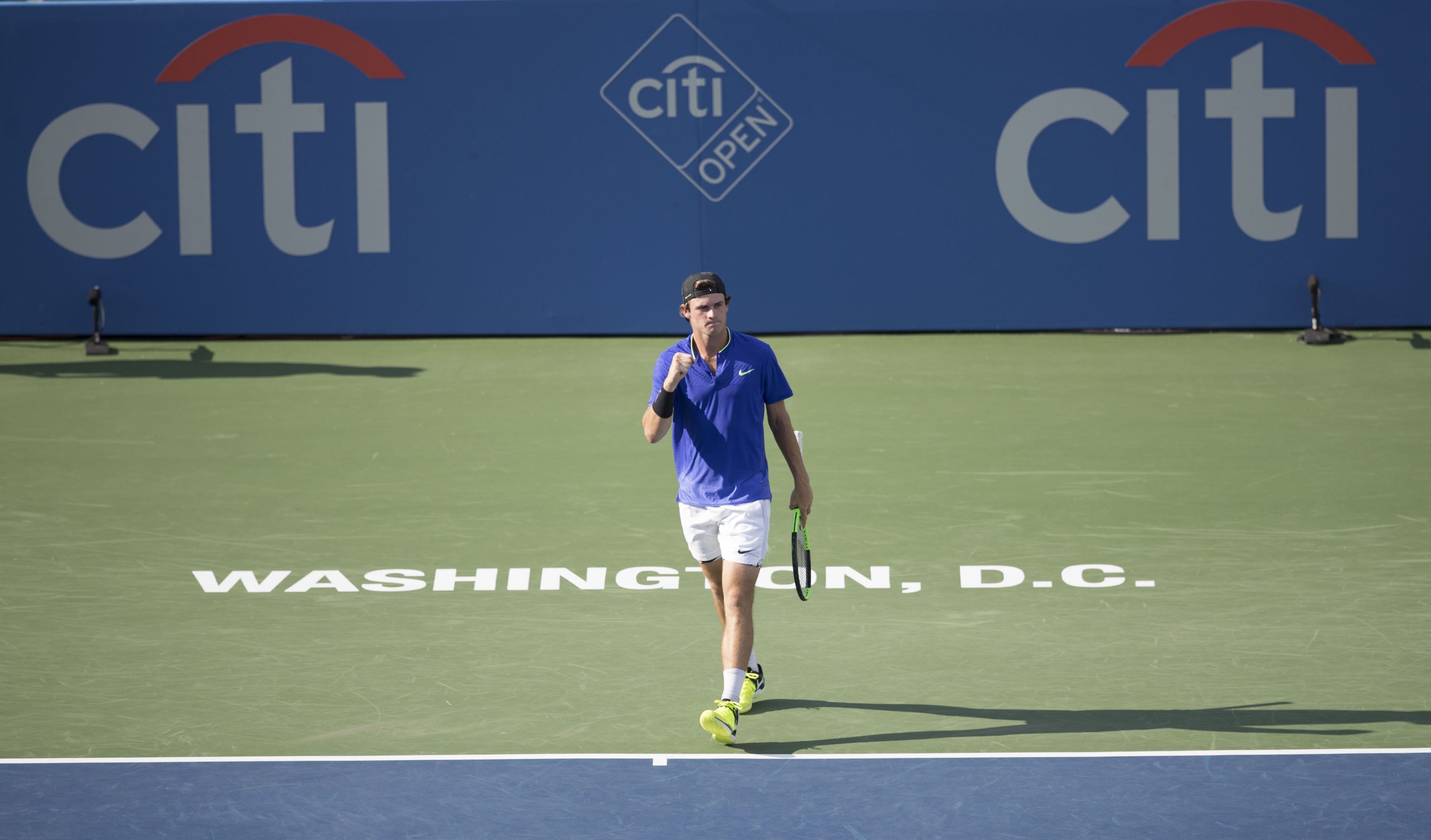
Tommy Paul follows a structured routine to stay sharp through long matches and unpredictable schedules.
Warmup and Daily Schedule
Paul’s warmup starts at 9:30 a.m. He often doesn’t know when his actual workday begins. Matches can end quickly or stretch to three hours.
By the time he reaches the court, he may have spent hours preparing—loosening up, staying engaged, and staying ready without burning energy.
That waiting period is a key part of tennis. It demands mental and physical discipline.
Energy and Nutrition
Paul uses Celsius to stay energized without sugar spikes. It helps him move from afternoon fatigue to active training.
He says, "A lot of times I’m dragging by the afternoon if we have a long tennis session."
On tour, the drink offers consistency. It’s a familiar part of his routine amid shifting schedules and environments.
Training Structure
Paul trains with intervals, not long-distance runs. Tennis has frequent stops and bursts of movement.
His session includes 40 seconds of hard effort on an assault bike, treadmill, or track. It’s followed by 15–20 seconds of recovery.
- 40 seconds of hard work
- 15–20 seconds of recovery
- Up to 10 repetitions
- Longer break between rounds
This mimics the stress-and-recovery pattern of a real match.
Strength and Stability Circuit
Paul does a 10–12 minute circuit three times. He rests 45 seconds between rounds.
- Goblet squat: 10 reps
- Reverse lunge: 8 reps per leg
- One-arm dumbbell row: 10 reps per side
- Pushups: 10–15 reps
- Plank shoulder taps: 20 reps per side
- Lateral skater bounds: 8 reps per side
These drills build lower-body strength, balance, and core control—essential for explosive movements and stability.
Core and Mobility Work
Paul spends 5–8 minutes on core and mobility drills.
- Two rounds of 10 dead bugs per side
- 30-second side planks
- 10 Pallof presses per side
- 30-second hip-flexor stretches
These moves train the body and reduce stiffness. They support performance during long matches.
Tennis Point Intervals
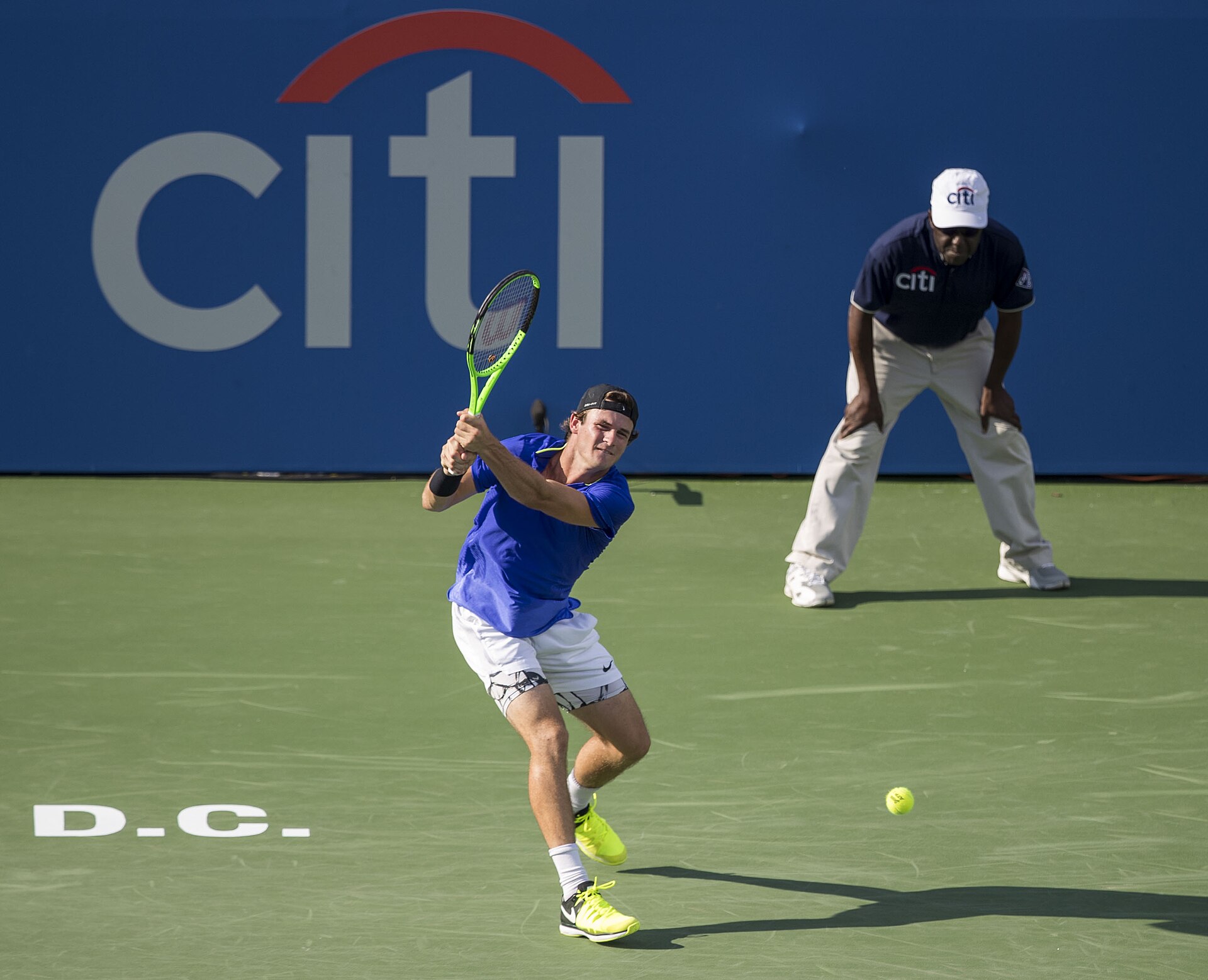
Paul runs 10-minute point intervals to simulate real match conditions.
On an assault bike, treadmill, rower, or track, he does:
- 40 seconds of hard work
- 20 seconds of easy recovery
- Eight rounds total
- Two-minute rest after
He stresses that players must recover quickly between points—this is key to performance.
Match-Day Nutrition and Recovery
Paul plans meals days before matches. He eats steak with pasta or another carb for sustained energy.
For matches, meals are simple. He avoids acidic foods to prevent stomach issues during intense play.
After a match, recovery depends on duration:
- Short match: Cold tub, sleep, return to practice
- Long match: Next day focused on mobility and leg flushing
Recovery matches effort. It keeps the body ready for the next match.
Strength in a Different Way
Paul challenges the idea that tennis players are weak or undertrained.
He says, "Many think Zverev, Medvedev, or Sinner are just skinny and don’t hit the weight room."
These players have strong bases, balance, and core control—critical for handling fatigue and clean mechanics.
He estimates tennis is "90 percent mental," showing how mental focus and recovery shape performance.
Key Takeaway for Everyday Athletes
Paul’s main point: Routine beats occasional intense sessions.
Consistent training builds sustainable progress. A repeatable program keeps athletes healthy and effective long-term.
This approach proves elite athletes focus on recovery, mental focus, and interval training—not just endurance.
Sources & further reading
Featured image: 2017 Citi Open Tennis Tommy Paul (36262674426).jpg by Keith Allison from Hanover, MD, USA, CC BY-SA 2.0, via Wikimedia Commons. Image source · License