A new study shows that a traditional Chinese medicine formula called Huayu Wan can kill drug-resistant esophageal cancer cells in lab tests. This offers a potential new approach to treating one of the world’s most aggressive and hard-to-treat cancers. Source: sciencealert.com.
What Happened in the Study
Researchers at Shaoxing University in China tested human and mouse esophageal cancer cells that had developed resistance to cisplatin. Cisplatin is a common chemotherapy drug, but resistance often leads to poor patient outcomes and limited treatment options.
The team exposed these resistant cells to increasing doses of Huayu Wan over time. Results showed clear suppression of cancer cell growth and activity. The strongest effects came with higher doses or longer exposure times.
In a separate animal study, mice with cisplatin-resistant tumors were treated with Huayu Wan. Treated mice showed reduced tumor size and slower growth compared to untreated animals. This suggests the formula may work beyond the lab dish.
How Huayu Wan Works
Huayu Wan triggers a form of programmed cell death called ferroptosis. Ferroptosis relies on iron and oxidative damage to cell membranes, unlike traditional apoptosis.
The formula weakens cancer cells’ antioxidant defenses—especially those involving glutathione. This allows harmful oxidative stress to build up inside the cells. The researchers say this creates a vulnerability cancer cells can’t handle.
Huayu Wan also releases iron from inside cells, like ferritin. This free iron fuels lipid peroxidation, damaging cell membranes and leading to cell death. The dual action—disabling defenses and releasing iron—is described as an innovative strategy.
Immune Response Boosts Effectiveness
Analysis of mouse tumors found more CD8+ T cells—immune cells that attack cancer. This suggests Huayu Wan may activate the body’s immune system to fight tumors.
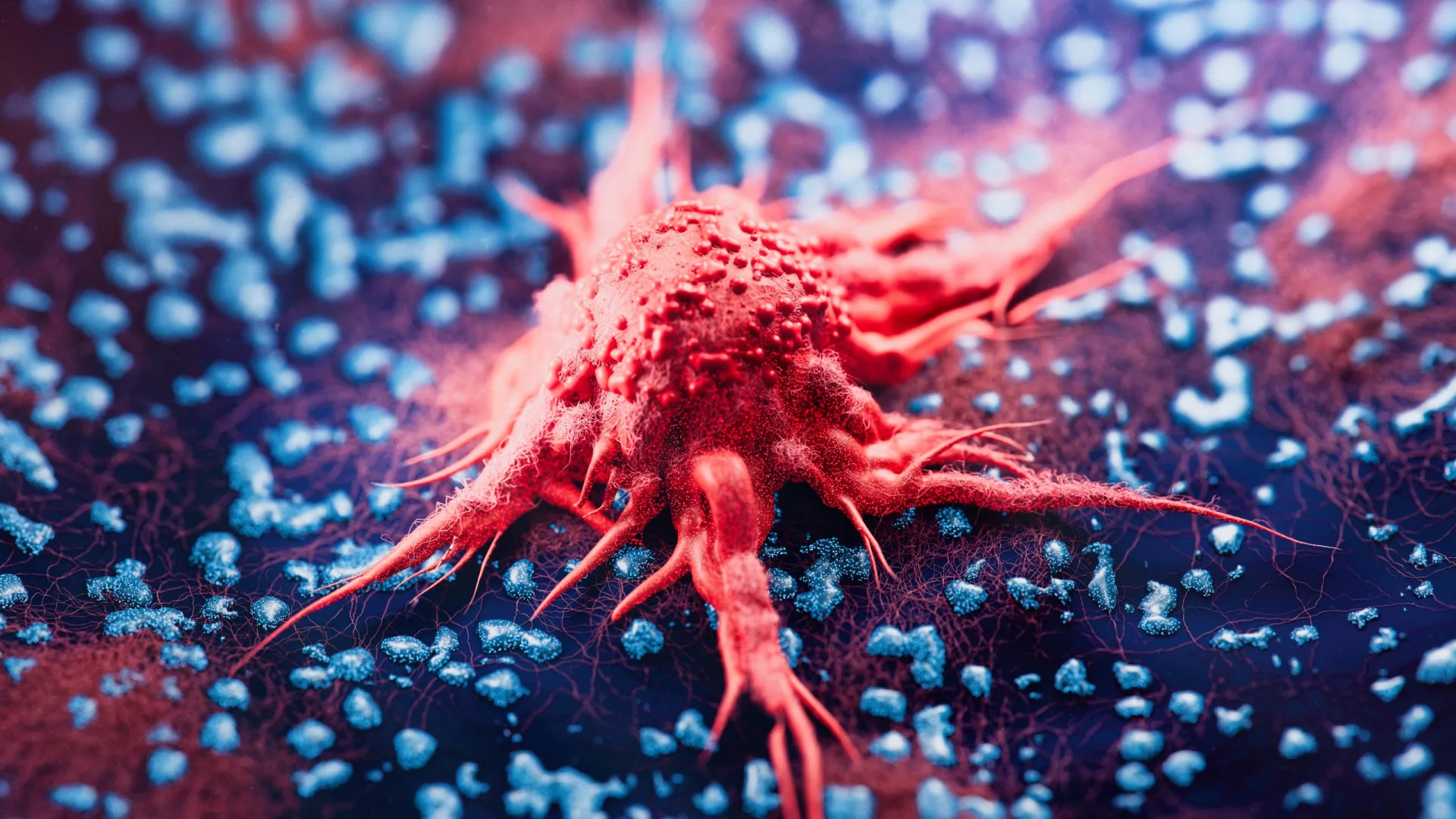
When combined with anti-PD–1 immunotherapy, the effect was stronger than either treatment alone. The combination significantly reduced tumor growth and weight. The researchers say this shows Huayu Wan can amplify immune responses against cancer.
Key Facts from the Research
- Huayu Wan is a 15-ingredient traditional Chinese medicine formula.
- It comes from two traditional remedies: Taohong Siwu and Didang decoctions.
- It has been used historically to treat abdominal masses and tumor-like conditions and is still used in modern Chinese clinics.
- Results were seen in both human and mouse cancer cell lines, linking lab findings to real-world potential.
- Strongest effects occurred with high doses or long exposure, indicating a need for careful dosing.
- Combining Huayu Wan with anti-PD–1 therapy improved outcomes in mice, showing promise as a complementary treatment.
Why This Matters
Esophageal squamous cell carcinoma (ESCC) is common in Asia and developing nations. It often resists cisplatin, leading to poor survival rates and limited treatment options.
Drug resistance remains a major challenge in cancer treatment. This study shows a traditional formula may overcome resistance through ferroptosis—a pathway not widely used in current therapies.
It highlights the value of natural products in targeting cancer cell survival pathways when standard drugs fail.
Limitations and What’s Next
The study used only cell cultures and animal models. There is no evidence yet that Huayu Wan is safe or effective in humans. Clinical trials are needed to confirm real-world benefits.
More research is needed to identify which ingredients are active, understand long-term effects, and assess possible side effects.
The study, published in Frontiers in Immunology, calls for further investigation into Huayu Wan as a possible complement to existing treatments. While promising, it is not a cure and is not ready for clinical use.
For now, the research offers a hopeful path forward in fighting drug-resistant cancers, especially in improving outcomes for patients with esophageal cancer.
Sources & further reading
Featured image: Traditional Chinese Medicine Formula Kills Drug-Resistant Cancer Cells in The Lab. Via original publisher. Image source