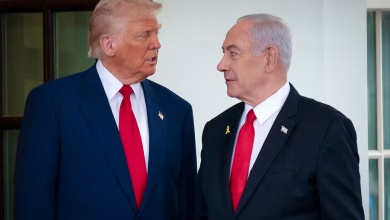
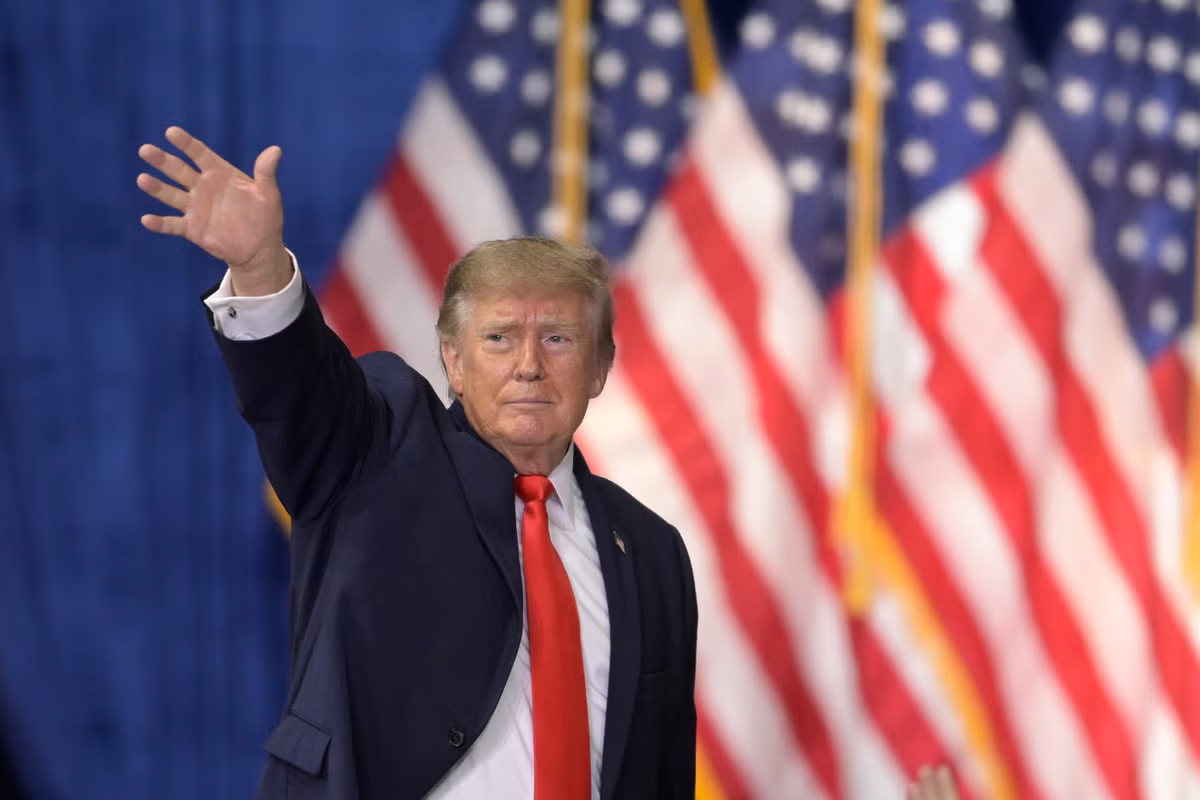
President Donald Trump held rallies in Kansas and Iowa on Sunday, promoting Republican candidates ahead of the midterm elections. Over 50 million Americans have already cast their votes, outpacing early turnout in 2022. This early surge reflects growing voter engagement, though it also shows how intense the political climate has become. Source: independent.co.uk.
Trump Celebrates Democratic Endorsement Shift
Trump praised Michigan Democrat Haley Stevens after she withdrew her support for Abdul El-Sayed and endorsed Republican Mike Rogers for the U.S. Senate. On Truth Social, he wrote: "Wow, this is BIG!" He called Stevens "a highly respected Democrat" who had previously been close to El-Sayed in the primary.
Stevens narrowly lost the Democratic primary to El-Sayed. Trump claimed she had been "wined and dined" by Democrats to support their Senate campaign, suggesting her shift was due to pressure, not independent choice.
Senate Minority Leader Chuck Schumer called the move a "despicable betrayal." He said it damages party unity and weakens trust in Democratic policies, especially on healthcare and economic issues.
Former House Speaker Nancy Pelosi also criticized the endorsement. On X, she wrote: "Haley Stevens has chosen to dangerously betray Michigan families’ healthcare, freedoms and future with her horrific endorsement of Mike Rogers." She said El-Sayed must win, adding that Michigan and the nation "deserve better."
Trump’s Rallies and Public Statements
Trump’s events in Kansas and Iowa were canceled but resumed after a reporter asked if he would step aside due to health concerns. The change shows how quickly his schedule can shift based on media interactions.
At the Kansas rally, he supported Senator Roger Marshall and Governor Ty Masterson. He said he planned to deliver a closing message at the Lincoln Memorial Reflecting Pool. He called it a way to "show how beautiful it is." He did not name a date, but suggested it might happen the next day.
Earlier, Trump posted on social media that his Kansas rally would be his "last stop" before Election Day. No official schedule has been released, and the timing remains unclear. Still, it hints at a shift in strategy—focusing on symbolic moments over broad outreach.
Controversial Remarks and Public Backlash
During the Iowa rally, Trump claimed he has a 99 percent approval rating, citing CNN. No evidence supports this. Recent polling shows his approval is in the mid-30s, the lowest in recent history. When asked, he said: "The New York Times, every story they write says, ‘The extremely unpopular president!’ I’m at 99 percent according to CNN." This claim raises doubts about the accuracy of his public statements.
Trump also said no one knows there’s a "B" in "dumb." The comment was widely criticized for its tone and logic. A political analyst said: "It shows a lack of rhetorical precision and may alienate voters who value clarity."
Trump accused Ilhan Omar of needing to resign, claiming she used a "fake name" to be sworn in. Federal agents recently searched her home as part of an ongoing investigation. A spokesperson for Omar said: "The swearing-in process follows established procedures. No such name was used in official records." The investigation is still under review, but the claim has sparked debate about congressional procedures and political figures’ public comments.
Trump said Somalia has "ruined" Minnesota and warned it is trying to do the same to Ohio. He said this in a statement that drew laughter and concern. A policy expert responded: "There is no factual basis. Somalia has no connection to Minnesota or Ohio. Such claims misrepresent international relations." Experts have dismissed this as false and question the consistency of his public messaging.
Agitation Over a Halloween Costume Post
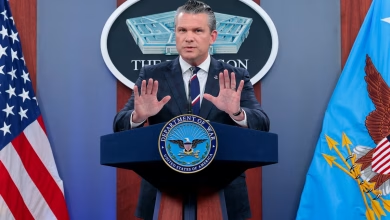
Agriculture Secretary Brooke Rollins shared a social media image of a Halloween costume labeled "SNAP fraudster."
The image showed a Black man wearing jewelry and standing in front of stacks of cash. Accessories included a fake grill and an EBT card. Rollins wrote: "Some costumes come with a price tag. This one comes with a prison sentence."
Rollins defended the post, saying it depicts a real person indicted on fraud charges. A Department of Agriculture spokesperson said: "The image is a satirical representation of a documented case of fraud, intended to highlight consequences of misconduct." Critics argue the image is racially insensitive and could be seen as mocking welfare recipients. The post has sparked debate about how political figures use satire in public communications.
Supporters say the image is a satire of a real case. Still, using a welfare fraud reference in a costume has drawn strong criticism, seen by many as inappropriate and discriminatory.
SNL Skews Trump’s Comments on Men’s Bodies and Identity
Saturday Night Live aired a sketch mocking Trump’s recent praise of men’s body parts, including butts. In a sketch, Trump character James Austin Johnson said: "A great ass on Hanks – something that I’ve enjoyed lately admiring."
He added: "Not that there’s anything wrong with that. Just that I might be gay."
The sketch also satirized Trump’s alliance with rapper Nicki Minaj. It shows how media uses humor to critique political figures and their public behavior.
Tom Hanks made a surprise appearance during the show’s Halloween episode, hosted by Inde Navarrette with Gracie Abrams as the musical guest. The moment was widely celebrated and generated strong social media engagement.
What to Watch Next
As Election Day approaches, political tensions remain high. Haley Stevens’ endorsement could influence Michigan’s Senate race, especially in a state where voters care deeply about healthcare and economic issues.
Trump’s approval ratings and controversial remarks may shape how voters see his campaign, especially in swing states. Reactions to Rollins’ costume post and SNL’s satire highlight ongoing scrutiny of political figures’ public statements and the role of media in shaping public discourse.
Observers will watch how these incidents affect voter trust and media coverage in the coming days. The mix of political rhetoric, media satire, and public reaction will likely define the midterm election narrative.
Sources & further reading
Featured image: original publisher image. Via original publisher. Image source