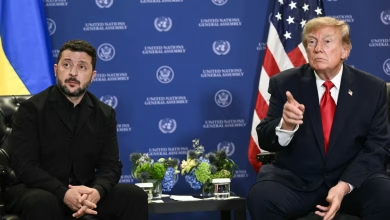
President Donald Trump has announced that the United States will end annual military aid to Israel by the end of 2026. This marks a significant shift in the long-standing U.S.-Israel defense relationship. Source: independent.co.uk.
What Happened
The agreement originally committed a significant annual amount to Israel, including funding for foreign military financing and missile defense. It was set to expire in 2028.
The Trump administration ended the aid with immediate effect, just two days before the U.S. midterm elections. Republicans lost control of both the House and Senate in that election.
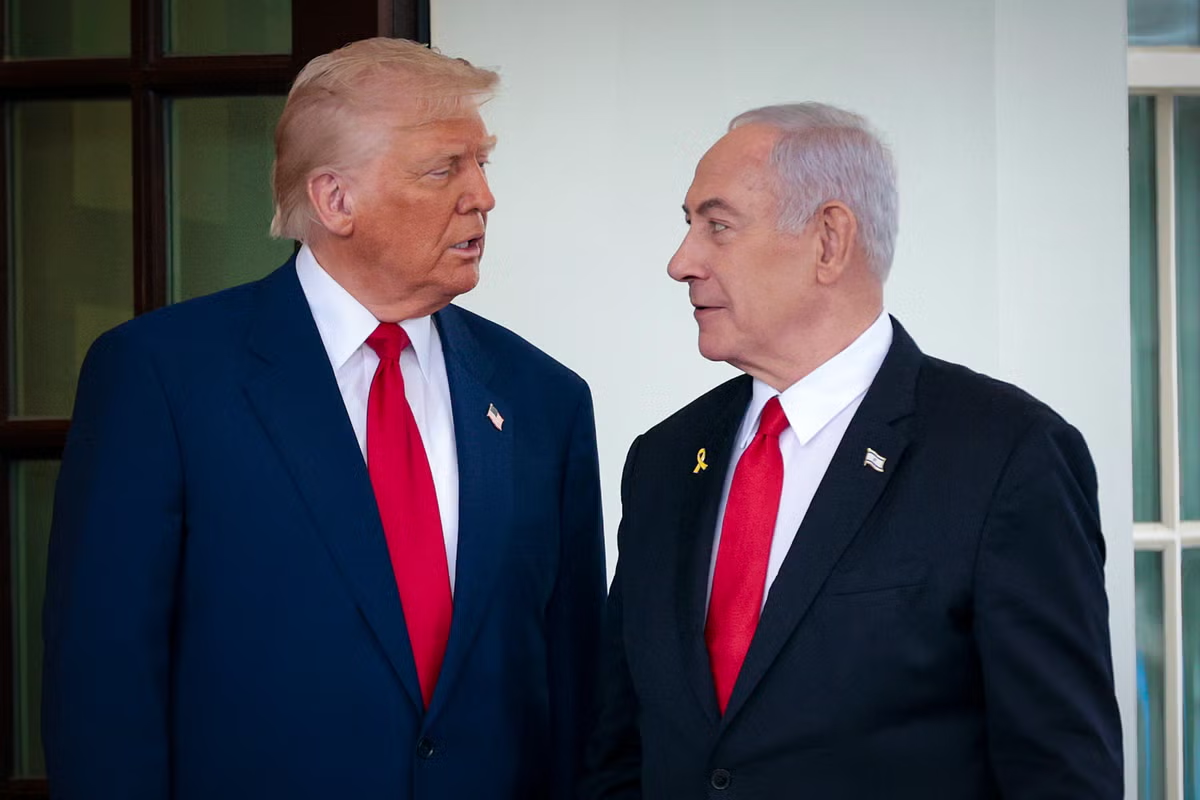
Israeli Prime Minister Benjamin Netanyahu has long pushed to reduce Israel’s dependence on U.S. military funding. He said: ‘I don’t want to wait for the next Congress. I want to start now.’
His goal is to ‘draw down to zero’ the financial component of U.S.-Israel military cooperation. He sees this as a move toward greater Israeli self-reliance.
Key Facts
- The original agreement was due to expire in 2028. It was ended early, before its scheduled conclusion.
- Since Israel’s founding, it has been the largest cumulative recipient of U.S. foreign aid, making it the largest recipient in history.
- About one million American households—many in defense-industry states—rely on weapons and munitions purchased by Israel.
- Israel will need to find funds to maintain current military capabilities. This may require budget reallocation or increased borrowing.
- The U.S. has already committed aid over the next two years. Israel must now cover a gap in payments.
How It Works
A significant portion of the funding supports American weapons platforms used by the Israeli Air Force—such as F-15s, F-16s, F-35s, and KC-46 tankers. These aircraft remain in service.
The Israeli defense ministry will need to secure shekels to cover deliveries or extend payment timelines to avoid disruptions.
Since 2024, the U.S. has withheld 2,000-pound bombs from Israeli use. This prompted Israel to shift munitions production from abroad to domestic facilities.
Israeli firms built U.S. production lines to qualify for aid-funded contracts. One major company told Calcalist it will now reassess its operations in the U.S.
The missile defense fund will continue. It supports the Iron Dome, David’s Sling, and Arrow systems—critical to Israel’s air defense.
Experts say the shift moves from direct aid to strategic partnership. This includes co-production, intelligence sharing, and joint operations—like those against Iran.
Why It Matters
For years, direct military aid without formal procurement has been a key part of U.S. political messaging to Israel. This decision marks a rare shift in that approach.
Both the U.S. and Israel have agreed to reduce aid. This mutual action would have been unthinkable just a few years ago.
Dr. Julie Norman of Chatham House says Netanyahu likely anticipated declining U.S. support and acted proactively. But the timing—just days before an election—was unexpected.
Israeli officials describe the announcement as a ‘bolt from the blue.’ A senior official told Ynet that Netanyahu promised Trump it would happen quietly.
Limitations and Open Questions
Israel will need to reallocate significant funds—possibly from education, healthcare, or infrastructure. This adds pressure on public finances.
Israel already faces sanctions from the UK and European nations. These could worsen financial strain.
Israel must cover a gap in payments. This may require increased borrowing or new funding sources—both with financial and political risks.
Operationally, the immediate impact on Israel’s air force is limited. Long-term disruptions could emerge in industrial and supply chains.
Israel’s recent elections ended in a deadlock. No government has been formed. This uncertainty could affect future defense policy.
The new U.S. Congress, set to take office on 3 January, may shift its stance based on whether Netanyahu or opposition leader Gadi Eisenkot holds power.
Experts agree the real test is how the alliance adapts. The end of annual aid does not mean the alliance collapses. It signals a shift toward shared capabilities and mutual resilience.
Sources & further reading
Featured image: original publisher image. Via original publisher. Image source