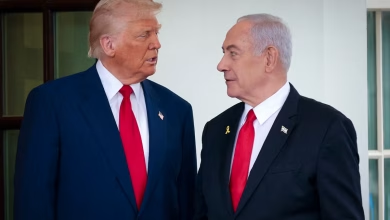
The United States has approved the sale of 500 Patriot missile systems to Ukraine, valued at an estimated £1.5 billion. This decision marks one of the most significant arms deliveries under the Trump administration to support Kyiv’s defence capabilities. Source: independent.co.uk.
Missile Supply and Funding Mechanism
Ukraine will pay for the missiles through a multi-national funding structure. Contributions come from Canada, Germany, and Norway—key NATO allies who have consistently supported Ukraine.
Additional funding is drawn from national budgets, with a major portion supported by the European Union’s Ukraine Support Loan. This loan ensures Ukraine can maintain a stable defence posture amid shifting international aid.
The funding model reflects a shift from emergency aid to a coordinated, institutional approach. It strengthens unity among Western allies and reduces reliance on any single nation.
Political Tensions Between Trump and Zelensky
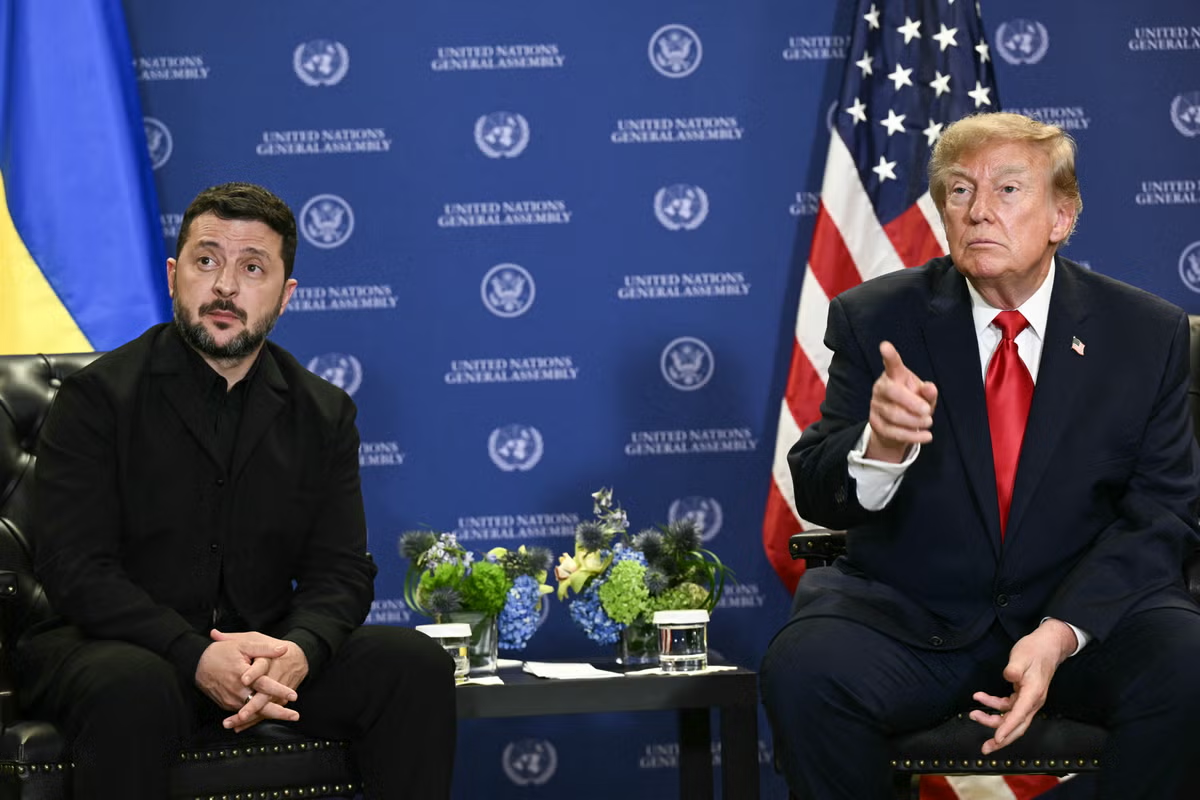
Days before the missile approval, President Donald Trump said, ‘it’s time for Ukraine to get a new president.’ This public comment reflects a long-standing feud between the two leaders.
Ukrainian officials say they waited nearly a month for U.S. approval on missile shipments. This delay coincided with a surge in Russian attacks on energy and civilian infrastructure.
Critics argue the current approval process is vulnerable to political influence, especially when high-profile figures are involved.
Targeting of Russian Energy Infrastructure
Ukraine has resumed drone attacks on Russian oil refineries, including the Novokuybyshevsk facility in Samara.
Trump previously criticized these strikes, saying Kyiv was acting aggressively. This reflects a broader divide over rules of engagement in the conflict.
Ukraine maintains these actions are defensive. Russia claims they violate international norms and principles of proportionality.
Targeting energy infrastructure may deter Russian aggression but risks escalating tensions, especially with nations tied economically to Russia.
Russia’s Escalation Threats
Putin said Russia is prepared for a potential war with Europe, but added that Moscow does not want one.
He claimed Russia would support steps to restore relations with European countries. But he warned that if tensions escalate, ‘there would be no winners.’
These statements are seen as strategic signals of readiness. They may be used to maintain leverage in negotiations and deter further Western support for Ukraine.
Ukrainian Defence Innovations
Ukrainian arms maker Fire Point has developed a new tactical ballistic missile to protect cities under heavy bombardment.
Its CEO, Iryna Terekh, said the company now conducts long-range strikes without relying on SpaceX satellite services.
For 10 days this month, Ukraine faced disruptions in SpaceX coverage. This hampered drone operations and mid-strike coordination.
Fire Point’s new systems allow independent mission execution, reducing foreign dependence and improving resilience.
International Diplomatic Responses
At the G20 summit in Atlanta, UK Foreign Secretary Ed Miliband directly challenged Russian envoy Sergei Lavrov.
He said, ‘we all know you are the aggressor,’ citing civilian casualties. He also said Moscow is not winning the war due to Ukrainian courage and global solidarity.
Miliband called for global pressure to cut off revenues funding the war. This includes sanctions on key Russian financial institutions and energy exports.
His remarks were seen as a critique of U.S. policy, especially Trump’s recent decision to waive sanctions on Russia.
Humanitarian Crisis in Oleshky
Residents of Oleshky began evacuating on Friday as a ceasefire held for a third day.
A fleet of 25 buses, with at least 750 seats, was ready to transport evacuees. Space was also provided for pets.
Evacuation was limited to a four-hour window, ending at 2pm local time. Several hundred people chose to stay.
Up to 6,000 people, including 200 children, remain trapped without food, water, or electricity. This highlights urgent humanitarian needs in occupied areas.
What to Watch Next
The ceasefire in Oleshky expires on Sunday. Fighting continues in other regions.
Putin has agreed to resume U.S.-mediated peace talks next month, but only if conditions are met. Kremlin aide Yuri Ushakov said policy may shift if Ukrainian drone attacks on Moscow continue.
The U.S. midterm elections on 3 November 2026 will be closely watched. The outcome may shape future arms supplies and diplomatic decisions.
As the conflict evolves, military, political, and humanitarian responses will remain key to understanding its trajectory.
For more on Ukraine’s military developments, see our coverage at Ukraine-Russia War: Zelensky Warns of Russian Overconfidence Amid Western Support Slowdown.
Sources & further reading
Featured image: original publisher image. Via original publisher. Image source