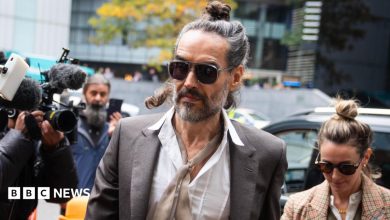
A U.S. federal judge has allowed Donald Trump’s $10 billion defamation lawsuit against the BBC to proceed.
What Happened
The clip was edited to suggest Trump urged supporters to storm the U.S. Capitol. It omitted a section where he called for a peaceful protest.
U.S. District Judge Jeffrey Kuntz ruled that Trump had plausibly alleged the BBC damaged his reputation and that it knew or should have known the clip was misleading.
The judge did not rule on whether Trump has proven those claims. That remains a legal question to be resolved in court.
Key Facts
- Trump sued the BBC over edited video clips of a January 6, 2021, speech.
- The edits were featured in a 2024 Panorama episode, released near the time of Trump’s 2024 re-election victory.
- Trump claims the BBC misrepresented his words, omitting a call for peaceful protest.
- The BBC admitted the edits were misleading and apologized to Trump, but denies defamation liability.
- The case is part of a broader pattern of legal actions Trump has taken against media outlets.
Background: How the Case Developed
Trump’s lawsuit alleges that the BBC, through its editing, created a false impression of his speech.
Internal BBC documents, leaked to the public, cited the edits as evidence of political bias. This sparked a public relations crisis for the broadcaster.
The BBC has maintained that its editorial process was not designed to serve political agendas. It said it acted in good faith to present factual content.
The BBC’s director-general, Tim Davie, and head of news, Deborah Turness, both resigned following the controversy.
Responses and Reactions
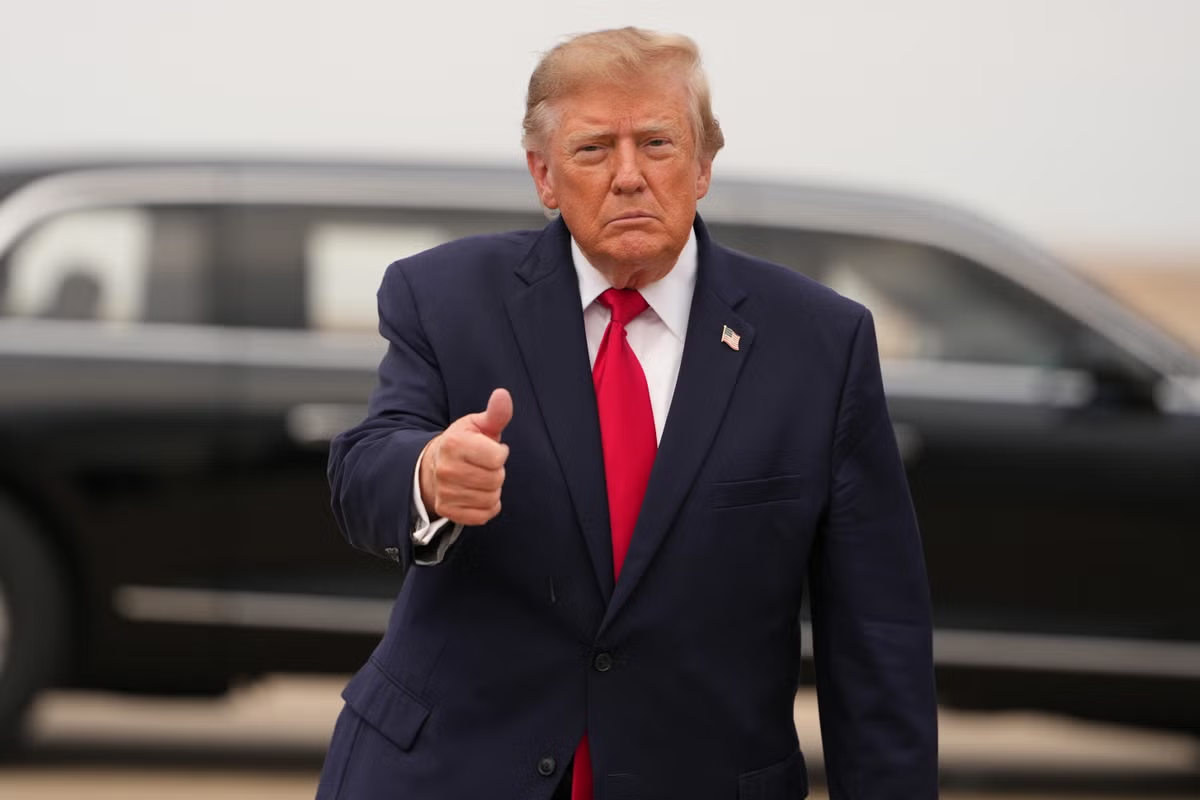
Trump called the judge’s decision a ‘huge victory’ in a social media post.
He said: ‘We will continue fighting against, and defeating, all of those who try to deceive the American People!’
A BBC spokesperson said the broadcaster was ‘surprised’ by the ruling but respects the court’s authority and remains confident in its position.
Why It Matters
This case reflects a growing trend of high-profile figures using defamation lawsuits to challenge media coverage.
It raises questions about editorial responsibility, the role of editing in public broadcasting, and the legal boundaries of political speech.
Similar lawsuits have been filed by Trump against ABC News, CBS News, the New York Times, and the Wall Street Journal.
Limitations and Open Questions
The ruling does not resolve the legal merits of Trump’s claims. Defamation requires proof of intent and harm.
Whether the BBC acted negligently or with editorial oversight remains legally and factually contested.
There is no public evidence that the original speech called for violence. The BBC has not admitted fault for the edits.
Legal experts say the case may set a precedent for how media outlets handle politically sensitive content.
For now, the case remains in active litigation. No final judgment has been issued.
For more on this case, see Trump Faces Court Order in £7.5 Billion BBC Defamation Lawsuit.
For details on Trump’s testimony, see Trump Ordered to Answer Questions Under Oath in BBC Lawsuit.
The full case is covered in detail at the original source.
Sources & further reading
Featured image: original publisher image. Via original publisher. Image source