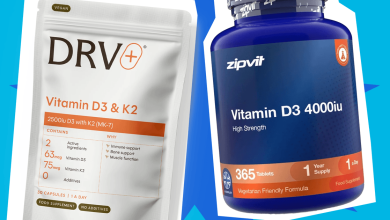
Choosing the right multivitamin can be tricky. Not all supplements are equal. Source: bbcgoodfood.com.
What to Look for in a Multivitamin
Effective multivitamins include key nutrients like vitamin D, B12, iron, and zinc. These are often deficient in modern diets, especially among adults with limited sunlight exposure or poor dietary variety.
Some brands include additional elements such as magnesium or vitamin C. These support immune function and energy metabolism. However, the source notes that not all added nutrients offer proven benefits.
One key factor is bioavailability. A supplement must deliver nutrients in a form the body can absorb. The review highlights that some products use poorly absorbed forms of vitamins, reducing effectiveness.
Which Brands Were Tested?
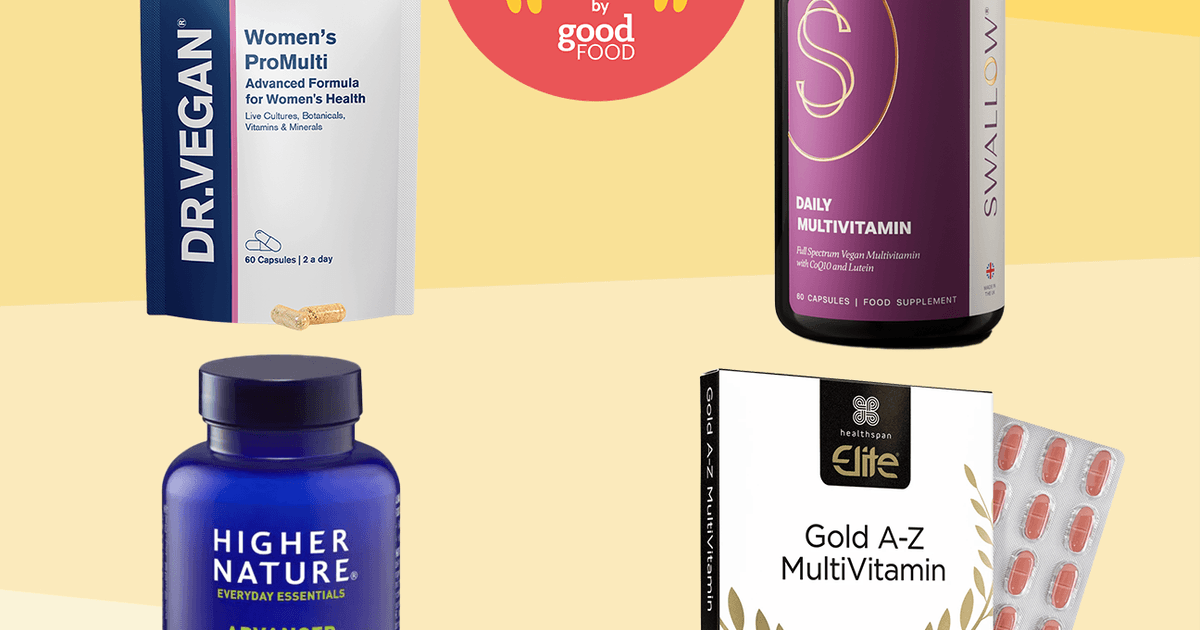
The BBC Good Food review tested several popular brands. These include Garden of Life, Nature Made, and NOW Foods. Each was evaluated on consistency, taste, and ingredient transparency.
One tested product, Garden of Life, stood out for its clean ingredient list and third-party testing. The source notes that it is suitable for most adults.
Nature Made scored well for balanced formulation. It includes B-complex vitamins and vitamin D. However, it contains synthetic forms of some nutrients, which some experts say may be less effective than natural sources.
Now Foods offered a broad range of minerals. But the review found that its iron content was high, which could be risky for people with iron overload conditions.
Who Should Consider a Multivitamin?
People with poor diets, older adults, and those with certain medical conditions may benefit. The review suggests that individuals who eat mostly processed foods or have limited access to fresh produce are at higher risk of deficiency.
For example, vitamin D deficiency is common in people living in northern latitudes. The source notes that sunlight exposure is a major factor in natural vitamin D production.
Those with malabsorption disorders, such as Crohn’s disease, may also need supplements. The review does not recommend multivitamins for healthy individuals with balanced diets.
Limitations and Concerns
The review acknowledges that multivitamins do not replace a balanced diet. Excess intake of certain nutrients, like iron or vitamin A, can be harmful.
There is no evidence that multivitamins improve overall health in people who already eat well. The source states that benefits are most likely for those with specific deficiencies.
Some brands include added fillers or artificial ingredients. These may reduce the overall quality of the product. The review emphasizes that ingredient transparency is crucial.
One user reported a bitter taste with one brand. This affects compliance, especially in children or elderly users. The source notes that taste and palatability matter for long-term use.
Why This Matters
With rising concerns about nutrition, multivitamins are often seen as a safety net. The BBC Good Food review helps consumers avoid ineffective or harmful products.
It supports informed choices based on real testing, not marketing claims. This is especially important as supplement markets grow rapidly.
For those with specific health needs, consulting a doctor before starting a supplement is advised. The review does not endorse any brand as universally superior.
For more on vitamin D, see Best Vitamin D Supplements 2026. For creatine, check out The Best Creatine Supplements 2026.
Always read labels and consult a healthcare professional before starting new supplements.
Sources & further reading
Featured image: Good Food Best Multivitamins. Via original publisher. Image source