Vitalii Kim, Ukraine’s Minister for Veterans Affairs, emphasized the nation’s unwavering resolve to resist Russian aggression during a recent interview with FRANCE 24 in Paris. Source: france24.com.
Ukraine’s Commitment to Resistance
Kim stated that Ukraine’s determination to defend its sovereignty is rooted in national identity, not just geopolitical strategy.
He said: If Europe will not support us, we also will fight because it’s our motherland
. This assertion reflects a deep-seated belief that the war is not merely a military conflict, but a defense of national existence.
The Reality of Prolonged Warfare
Despite this resolve, the war has taken a severe toll on civilians and infrastructure.
In Kherson, southern Ukraine, residents face relentless drone attacks and repeated strikes on energy systems. These attacks are not only destructive but also cumulative, contributing to widespread fatigue among the population.
Kim acknowledged that people just get tired. This admission reveals a growing tension between public resilience and the physical and emotional exhaustion caused by sustained conflict.
Challenges in Veteran Reintegration
Ukraine now faces a growing veteran population. Estimates suggest around 1.5 million veterans require support, with numbers expected to rise significantly in the coming years.
Kim outlined plans to simplify administrative procedures, expand mental health services, and draw on French expertise to improve veteran care.
These efforts are not just about individual rehabilitation—they are critical for maintaining the long-term capacity of Ukraine’s institutions and society.
Uncertainty Over European Aid
There remains significant uncertainty about a proposed €90 billion European aid package. This financial support is central to Ukraine’s ability to sustain its defense and recovery efforts.
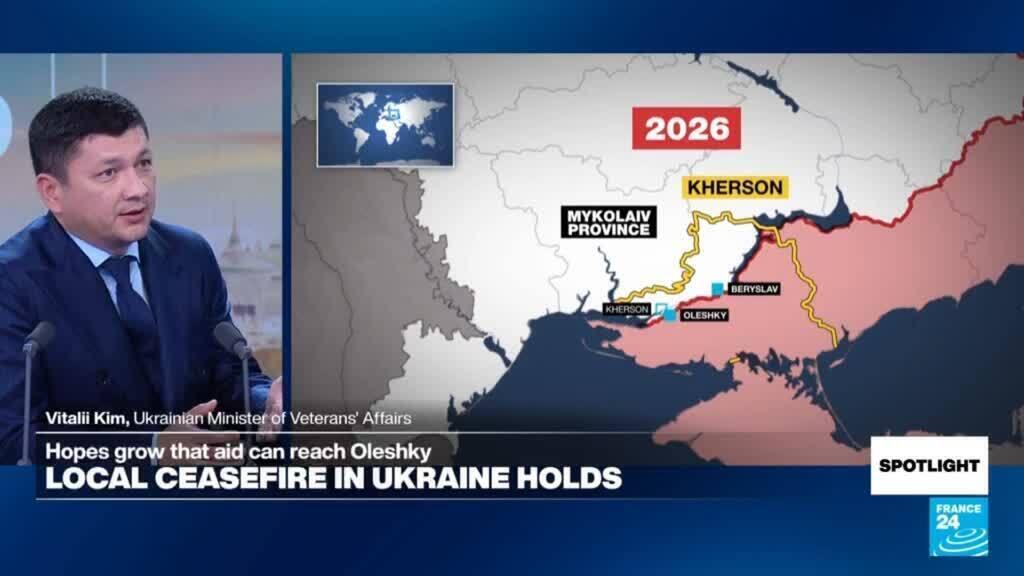
While Kim remains firm on Ukraine’s commitment to defend its territory, he offered no public response when asked about the possibility of presidential talks between Russian and Ukrainian leaders.
He said: I have no reaction. I have only my job to do
. This response underscores the limits of diplomatic engagement and the focus on domestic responsibilities.
The situation highlights a central paradox: Ukraine continues to resist, even as the human and material costs of war grow.
While the nation’s resolve is clear, the long-term sustainability of that resistance depends on external support and internal capacity.
For more on the broader context of the Ukraine-Russia conflict, see Zelensky’s warnings about Russian overconfidence.
For developments in Europe’s response to the war, explore Europe’s military and political preparations.
Meanwhile, Bulgaria’s recent presidential elections reflect broader regional divisions over Ukraine’s role in European security—see the full coverage.
What to Watch Next
As negotiations over European aid continue, the trajectory of Ukraine’s war effort will depend on both financial commitments and the ability to manage the human cost of conflict.
Public fatigue, institutional strain, and the scale of veteran needs remain key indicators of the war’s evolving impact.
Any shift in European policy could alter the balance of power and the future of Ukraine’s defense strategy.
Sources & further reading
Featured image: original publisher image. Via original publisher. Image source