Ukrainian drone strikes have reduced Russia’s oil refining capacity by about 30%, according to Reuters, citing industry sources. This decline has affected both domestic fuel supply and international energy exports. Source: independent.co.uk.
Drone Attacks Disrupt Russian Refining Capacity
Since late October, Ukrainian forces have targeted nine of Russia’s 35 major refineries. These strikes have caused operational disruptions and emergency responses in several facilities.
The combined daily nameplate capacity of affected refineries is about 300,000 metric tons—roughly 2.2 million barrels. That’s less than a third of Russia’s total primary refining capacity of around 930,000 tons per day.
At the end of October, Russia’s refineries processed about 700,000 tons per day—5 million barrels. Output has dropped significantly, creating supply gaps in key regions.
Three central Russian refineries have been heavily impacted. The Kirishi oil refinery, Russia’s second-largest, is among them. It is located in the Leningrad region, near St.
Key Refineries and Regional Impact
A drone strike hit the Kirishi refinery, setting it on fire. The incident killed a woman in the region. It shows both the vulnerability of critical infrastructure and the human toll of the conflict.
Another attack caused a fire at Ust-Luga, a major Baltic Sea port. The port handles key oil and grain exports. Its disruption affects both oil shipments and agricultural trade.
These attacks show a sustained phase of aerial combat. Both sides are using increasingly advanced drone technologies.
Geographic and Airspace Warnings
Latvia and Lithuania have warned residents to seek shelter due to unidentified drone threats from Russia or Belarus. The alerts cover several regions, including parts of Kaunas, Lithuania’s second-largest city.
NATO air defence fighter jets have been activated to monitor and respond to threats.
Finland has also imposed temporary airspace and maritime curbs in the eastern Gulf of Finland. The move is precautionary, designed to protect civilians and allow authorities to respond to potential drone threats.
UK to Deploy Autonomous Boats
The Royal Navy will deploy a squadron of autonomous Kraken 3 drone boats near British shores. These unmanned, remotely controlled vessels are designed to intercept Russian warships and spy vessels.
Vice-Admiral Steve Moorhouse confirmed operations will begin ‘as soon as possible.’ Deployment is expected before the end of the year.
Defence Minister Calls for Direct Military Contact
UK Defence Minister Wes Streeting has urged more direct communication with Russia. In a Financial Times interview, he said the UK’s embassy in Moscow is important—but more military-to-military channels are needed.
‘We have our embassy in Moscow,’ he said. ‘I would much prefer there to be additional channels too, especially at the military level.’
He believes such direct contact reduces the risk of miscalculation in tense situations.
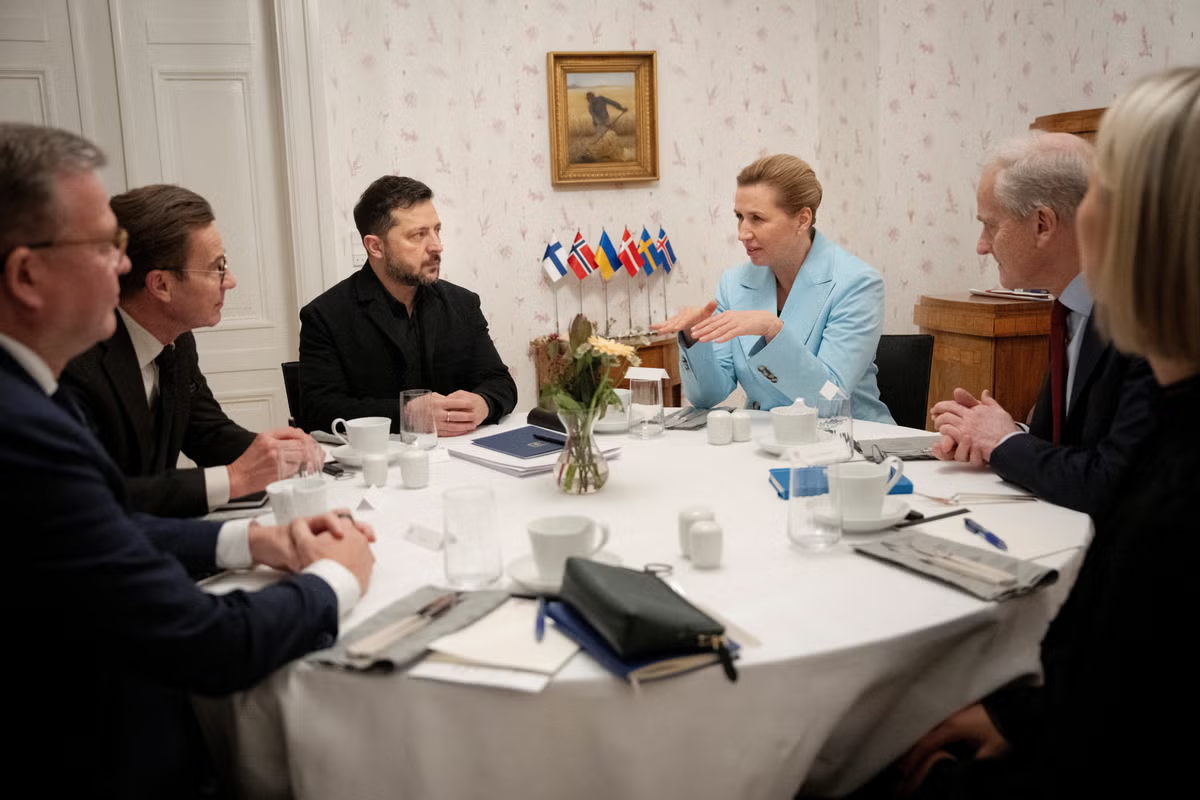
EU Urged to Fast-Track Ukraine Funding
German Chancellor Friedrich Merz has urged the EU to prioritize funding for Ukraine’s 2027 budget.
Merz wrote to European Council president Antonio Costa, calling for a solution that ensures stable, multiannual financing from 2028 onwards. This includes interest liabilities already accrued.
He stressed that supporting Ukraine is a shared responsibility. But he noted that current financial support is unevenly distributed among member states.
Recruitment Concerns in Africa
Nine Zimbabwean nationals were arrested in South Africa for preparing to travel abroad to fight in the Russia-Ukraine war. Five were detained at OR Tambo International Airport. Four were caught at a hotel in Bruma, east of Johannesburg.
They were charged under South Africa’s regulation of foreign military assistance act. Authorities have not confirmed whether they intended to join Russia or Ukraine.
A Ukrainian intelligence assessment from this year estimated over 1,700 people from 36 African countries have been recruited to fight for Russia. Zimbabwe reported 15 citizens killed and over 60 still trapped on the front lines. South Africa has also returned 17 individuals who were tricked into joining the war.
Peace Talks in Abu Dhabi
Ukrainian and Russian officials, with US envoys Steve Witkoff and Jared Kushner, are holding trilateral peace talks in Abu Dhabi. The talks are brokered by American businessmen and aim to reach a ceasefire.
US Secretary of State Marco Rubio said the first day was ‘very productive.’ He said the goal is to expand negotiations to include European nations.
Donald Trump previously said there is a strong inclination to end the war. Both sides, he said, are tired of fighting. US officials report that Moscow and Kyiv are privately showing some flexibility on territorial exchanges.
Trump said Ukraine may end up with a different shape after a deal. This reflects his view that Russia has already won key territories. His negotiators, including Jared Kushner and Steve Witkoff, may see a pro-Russian outcome as beneficial.
Kirill Dmitriev, head of Russia’s sovereign wealth fund, said there are $12 trillion or more in potential deals if Russia can return to business with the US. This economic incentive may shape the talks.
World affairs editor Sam Kiley has warned that Europe is being excluded from the talks. The continent may be left out of any final agreement, raising concerns about its relevance and long-term stability.
The talks are taking place without direct European involvement. Europe bears the greatest human and economic toll from the conflict. This absence may weaken the deal’s legitimacy and long-term prospects.
These developments show a growing gap between regional realities and diplomatic processes. While the US seeks a final end to the war, the lack of European participation may undermine broader peace efforts.
Future progress will depend on how the talks evolve and whether European voices are included in future negotiations. Their involvement could improve the credibility and sustainability of any settlement.
Sources & further reading
Featured image: original publisher image. Via original publisher. Image source