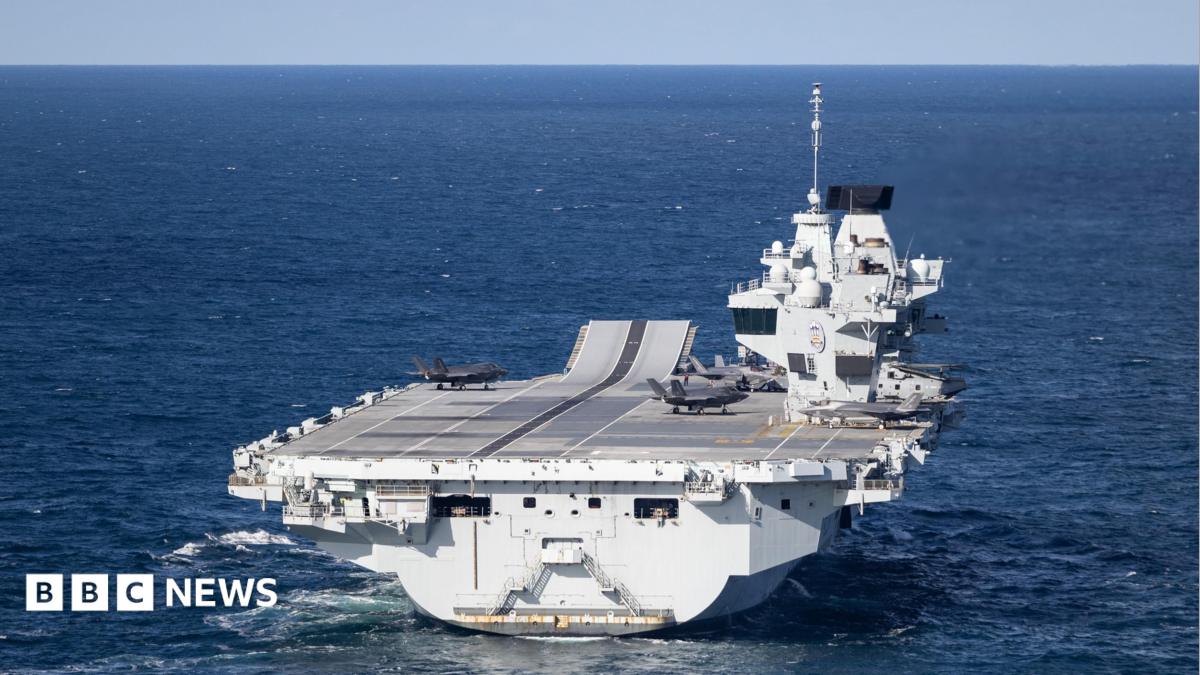
A new report by the UK’s Commons Defence Committee has found serious gaps in the nation’s Arctic defence capabilities. Source: bbc.co.uk.
Key Gaps in UK Arctic Defence
The committee found a shortage of Royal Navy warships and submarines leaves critical infrastructure in the High North exposed.
This includes undersea communication cables and energy supply routes vital to the UK and its allies.
In a conflict, Russia could threaten UK civilian and military infrastructure and Atlantic supply routes.
Arctic Submarine Operations Face Challenges
MPs reported a ‘shockingly low availability’ of submarines.
There is also a temporary loss in ability to operate them beneath Arctic ice.
This limits the Royal Navy’s reach in the region during operations.
During such operations, Russia could use Arctic ice to hide its submarines and threaten NATO sea lanes.
Strategic Context: Russia’s Growing Presence
Earlier this year, the Ministry of Defence said Russian submarine activity in the North Atlantic has returned to Cold War levels.
The High North has become a central focus of UK defence planning.
Defence Committee chair Tan Dhesi called the Arctic a ‘demanding, hostile environment’.
He said Russia is actively seeking to dominate the region for military advantage.
Proposed Response: Strengthening the Joint Expeditionary Force
The report suggests the UK-led Joint Expeditionary Force (JEF) should focus more on the High North.
Currently, the MoD says the JEF is strengthening NATO’s northern flank and improving rapid response to threats.
Conservative shadow minister Stuart Anderson said if NATO faces conflict with Russia by 2030 — as Sir Keir Starmer warned — readiness must be prioritised now.
He argued that defence spending should not be delayed until a crisis occurs.
Defence Ministry Response
The Ministry of Defence acknowledges the threat from Russia.
It says it is investing heavily to protect undersea cables, essential for global communications and energy.
While no full expansion of Arctic operations has been confirmed, ongoing investments in undersea infrastructure are underway.
These efforts support resilience against rising Russian naval activity.
Still, the report notes the UK lacks a clear, long-term plan for Arctic military operations.
Uncertainty about future US support for NATO in the region also affects UK strategic planning.
The committee concluded that action to close these capability gaps must begin immediately.
Without intervention, the UK remains vulnerable to attacks on its critical infrastructure from the Arctic.
For more on UK defence policy, see UK Rejects Trump’s Russia Diesel Deal, Defence Secretary Says.
For insights on Russian interference in UK politics, see MI5 Chief Warns Against Overstating Russian Interference in Brexit Vote.
These developments show the Arctic’s growing role in global security.
Sources & further reading
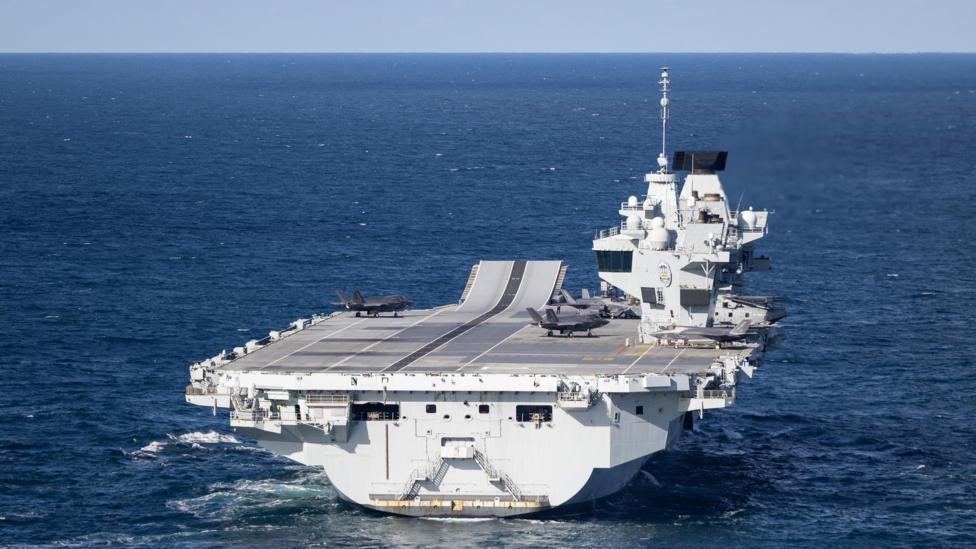
Featured image: A large grey carrier is seen on the open ocean.. Via original publisher. Image source