Large language models now let users reprogram everyday gadgets with simple prompts. This shift—called ‘vibe coding’—lets non-developers customize devices like TVs, cameras, and music gear using AI tools like Claude Code. Source: theverge.com.
How It Started
Gathin T, a developer in India, found his Xiaomi TV cluttered with ads and a confusing interface. He wanted a cleaner experience.
Instead of buying a new TV, he tried using Claude Code to remove bloatware and simplify the interface. With just a few permissions tweaks and USB debugging enabled, the AI could control the TV over Wi-Fi.
Within an hour, Gathin had redesigned his TV. He posted about it on X and it went viral. He later launched CleanYourTV—a tool that lets others use AI to modify their own Android-based devices.
Only Android-based devices work easily with this method. Other systems require more complex jailbreaking, which he avoids sharing widely.
Why Android Matters
Android powers more than just TVs. It runs many consumer devices—from dishwashers to digital photo frames to luxury cars.
Even when a device doesn’t run Android, there’s often a hidden API or firmware file accessible online. Large language models can unpack, analyze, and repackage these files to create new software features.
While device hacking has long existed, AI has made it accessible to everyone. Before 2025, only developers could modify hardware. Now, users with basic tech knowledge can achieve similar results with a few prompts.
A smart dishwasher might not run Android, but its firmware is often stored on a public website. An LLM can download that file, parse its structure, and generate a new version that adds features like automatic cycle detection or smart home integration. Similarly, a digital photo frame might use a proprietary system, but if that system has public documentation or an API, an LLM can reverse-engineer it and generate a custom interface.
These capabilities aren’t limited to consumer electronics. Even devices not designed for customization may have exploitable pathways—especially if they rely on public-facing data or documentation.
Expanding to Cameras and Music
Camera enthusiasts have embraced vibe coding. AI is now used to add new recording modes, higher resolutions, and custom color profiles to existing camera firmware.
Many users are reviving old gear. Others are applying AI to new devices, creating features manufacturers never intended.
A user shared her work on a community forum. Within days, dozens of users reported similar success with their own vintage models.
The M-Vave FM-1, a low-cost synthesizer, has become a popular target for custom firmware. M-Vave has responded by releasing open-source firmware, showing a shift toward embracing hackers. This reflects a broader trend: companies are increasingly recognizing that users value customization and innovation over strict control.
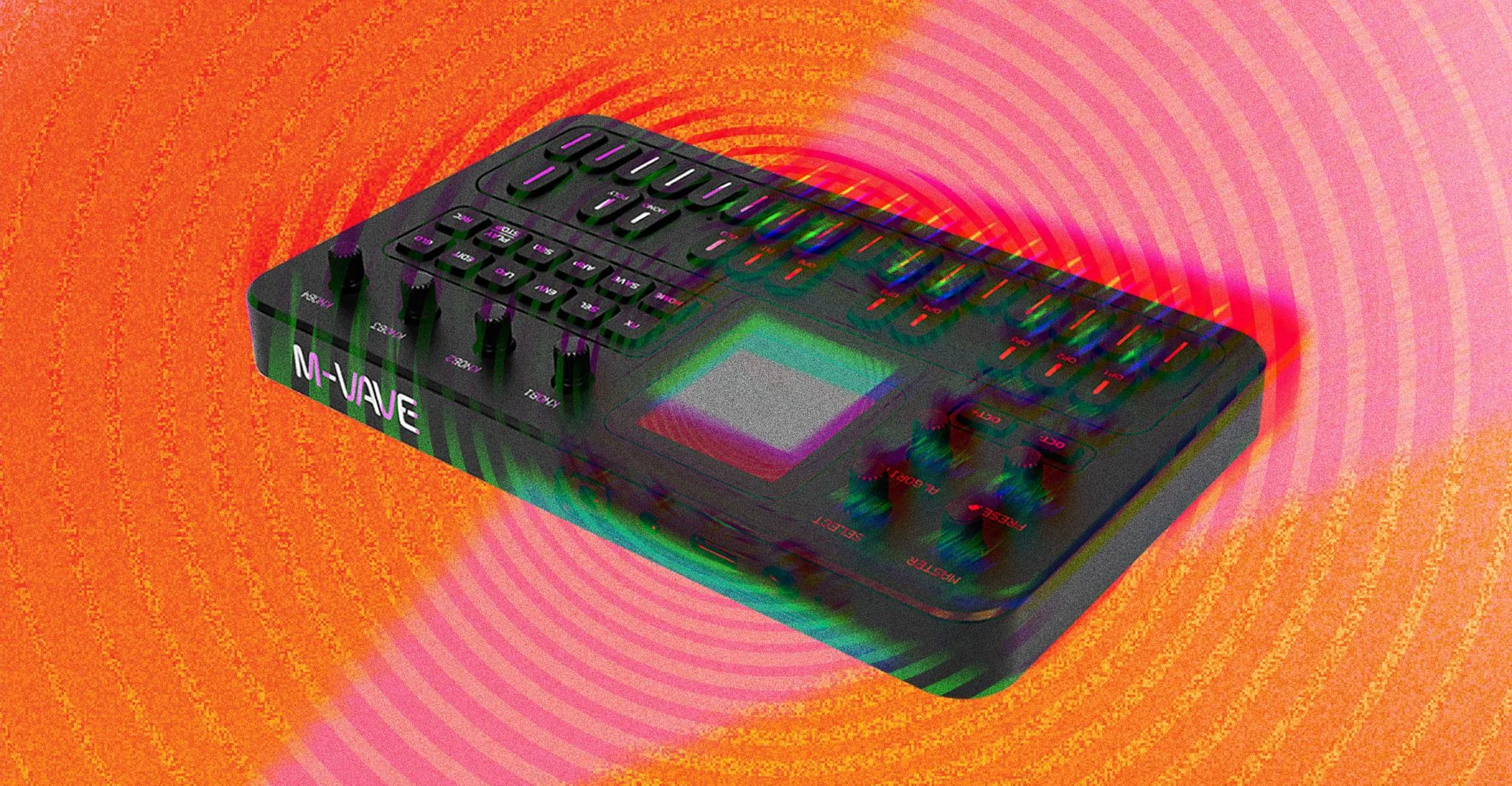
Students at a university in Seoul used AI to generate a new sound engine for the FM-1. The result was a prototype that could emulate analog synthesizers with high realism. It has since inspired a new generation of music educators to explore AI-driven instrument design.
Game Consoles and the Rise of AI-Generated Scripts
Game consoles are not immune. Gamers use AI to decompile games and add new features. One user found a way to play PlayStation 2 discs on a PlayStation 5 using AI-generated scripts.
These actions have prompted industry pushback. Game developers are now advocating for stronger digital rights management (DRM), platform-level protections, and a move toward streaming services.
As Luke Dicken, a former AI executive at Take-Two, said: ‘The industry will start to embrace more invasive DRM, platform-level solutions, and probably more of a push towards streaming solutions since nobody can decompile what they can’t get their hands on.’
Sony has introduced new encryption in its PS5 firmware requiring biometric authentication. This is a direct response to AI-powered modifications that bypass security. Nintendo has begun testing a system that limits firmware updates to only approved changes, reducing unauthorized modifications.
Some companies, like Apple, have quietly allowed limited access to developer tools. In a 2026 internal memo, Apple’s hardware team acknowledged that ‘a small but growing number of users are creating custom firmware that improves usability and performance,’ and that such innovation should be monitored, not blocked outright.
Hardware Risks and Limitations
When users install AI-modified firmware, they move outside official support. Problems are no longer covered by manufacturer warranties.
Ritchie Roesch, writing at Fuji X Weekly, warns: ‘It’s not so much if someone’s camera will become a permanent paperweight, it’s a matter of when and how many, and whether it will be yours.’
Users may find themselves stuck with a device that only works with AI-generated code. There’s no guarantee the original manufacturer will offer fixes or updates.
Some users have reported issues after AI modifications—such as crashes, loss of functionality, or incompatibility with future software updates.
A user in Brazil modified her Panasonic camera to support 8K video. After a firmware update, the AI-generated features stopped working. The camera now runs only in standard resolution and has no official support to restore the original functionality.
AI-generated modifications often lack long-term stability. Firmware changes may not account for edge cases or hardware-specific behaviors. Without rigorous testing, these changes can introduce bugs that only appear under specific conditions—like low light or high temperature.
Emerging Solutions: ESP32 Modules
Enterprises are now turning to dedicated hardware modules like the ESP32. These small, affordable devices pack networking, microphones, and speakers into a single unit.
Think of them as Raspberry Pis—but cheaper and more versatile. Devices like the M5Stack PaperMono let users build custom tools: a real-time weather monitor, a DJ system controller, or a family shopping list device.
Meta is leading this trend with its Muse Charm and Muse Gadgets program. These offer pre-packaged ESP32 modules or allow users to build their own AI-powered gadgets.
ESP32 modules are ideal for building hyper-specific tools that mainstream brands would never consider. A few dollars and a few prompts can turn a simple module into a personalized device.
A user in California built a device that monitors local sea levels using an ESP32 and a weather station sensor. The device sends real-time data to a local app, alerting users when tides rise above a certain threshold. This kind of innovation is not only practical—it’s scalable and can be adapted to other environments, like flood-prone regions or coastal cities.
Another user created a ‘DJ Flow’ device that connects to a music library and uses AI to suggest tracks based on user mood. The device runs on an ESP32, connects to a speaker, and uses a simple interface to display visual cues during playback. It’s a small, affordable solution that demonstrates how AI and hardware can work together to create personalized experiences.
From Hacking to Software Vendors
Some vibe coders are evolving into full software vendors. Gathin T has taken responsibility for the risks of his tool, CleanYourTV.
He now includes prompts that require users to back up their device software before any changes. The system also monitors progress and runs automated tests to detect errors.
Despite these safeguards, Gathin stresses that the tool is not foolproof. Device firmware evolves with every update, introducing new risks.
He advises users to test AI modifications in a sandbox environment—like a Linux-based computer—before applying them to real devices.
He recommends never giving AI access to devices users can’t afford to lose.
Warranty and Legal Risks
Using AI to modify existing devices voids most warranties. Manufacturers offer no support for AI-generated modifications.
Users should not expect refunds or technical assistance if something goes wrong after a vibe code change.
For those interested in exploring the space, Waveshare offers a wide selection of affordable ESP32 modules. Espressif, the company behind the ESP chip, has also launched ESP-Claw—a development system to simplify programming.
Raspberry Pis are also viable tools. In fact, users can run Claude Code on a Raspberry Pi to hack another Raspberry Pi—demonstrating a recursive loop of AI and hardware interaction.
While the technology is powerful, it remains experimental. Not all devices are compatible. And no system is immune to future software updates that may break existing AI modifications.
What to Watch Next
As AI tools grow more powerful, more users will attempt to modify their devices. This will likely lead to an arms race between manufacturers and hackers.
Some companies may try to block AI access. Others may adopt open approaches to allow users to customize their hardware safely.
Meanwhile, a growing number of users are turning AI into personal tools—like a shopping list monitor or a real-time weather device—showing how deeply this trend is reshaping everyday life.
As David Pierce writes in his column: ‘The same thing is coming fast to hardware everywhere.’
For deeper insights, see Terrence O’Brien’s piece on AI and music gear. For technical details, read Elektor’s coverage of ESP32. And for a critical perspective on what it means to ‘hack’ a camera, check Ritchie Roesch’s follow-up at Fuji X Weekly.
AI is not just changing how we use software—it’s redefining how we interact with physical devices.
One of the most significant shifts is the move from passive consumption to active customization. Users are no longer just receiving devices—they are now building, modifying, and reimagining them. This transformation is not limited to gadgets; it’s spreading to appliances, vehicles, and even home infrastructure.
As the technology matures, we may see a new category of products emerge—’vibe-coded’ devices—that are designed with AI modification in mind. These devices would include built-in APIs, open firmware access, and developer-friendly interfaces. Such products would not only appeal to tech-savvy users but also create new markets for AI-driven services and tools.
Manufacturers may begin to adopt a dual strategy: offering both standard, locked-down versions and customizable, open versions. This would allow them to maintain revenue from premium features while also fostering innovation and user engagement. For example, a smart oven might offer a standard mode for home cooks and a ‘vibe mode’ that allows users to customize recipes, temperature profiles, and even add AI-generated cooking suggestions based on user preferences.
Additionally, as AI becomes more integrated into hardware, we may see the rise of ‘personal AI assistants’ embedded in physical devices. These assistants would not just respond to voice commands but could learn user behavior over time and adapt device functions accordingly—like adjusting the brightness of a TV based on the time of day or the user’s viewing habits.
However, this evolution raises ethical and privacy concerns. If a device learns user behavior through AI, who owns that data? Can users opt out of data collection? And what happens when an AI-generated modification begins to behave in ways that were not intended—like changing settings without user consent?
These questions are already being debated in tech communities. In a recent panel discussion at the Consumer Electronics Show, experts emphasized that while AI-driven customization offers immense potential, it must be balanced with transparency, user control, and clear boundaries. The future of hardware may not be about more features—but about more agency.
Sources & further reading
Featured image: original publisher image. Via original publisher. Image source