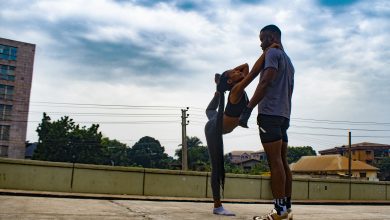
When Weini Kelati first began training for the New York City Marathon, eight miles felt like an impossible stretch. Now, as she nears her first full marathon, she can complete 20-mile workouts without feeling overwhelmed. Source: muscleandfitness.com.
From Fear to Progress
At the start of her training, Kelati struggled with distance. Eight miles was a threshold that once marked the end of a long day. She would stop, breathe, and question whether she could go on.
Today, that same distance is no longer a barrier. During a recent 20-mile run, she reached the 10-mile mark and realized it was just halfway through. That shift in perspective reflects a deeper transformation in her approach to endurance.
How She Built Her Mileage
Kelati’s training has followed a consistent, incremental path. She focuses on one mile at a time, building confidence through repetition and small, measurable goals.
- She starts with short runs, gradually increasing distance each week.
- Each run includes a structured warm-up and cool-down to prevent injury.
- She tracks her progress in a journal, noting how her body responds to each mile.
Her coach emphasized that progress isn’t about speed or distance alone. It’s about consistency and mental resilience.
Training Through Challenges
Like many long-distance runners, Kelati has faced setbacks. There were days when fatigue overwhelmed her, and she questioned whether she could keep going.
She recalls one moment during a particularly tough run when she felt like quitting. Instead of pushing through, she paused, took a breath, and resumed at a slower pace. That moment became a turning point in her mindset.
She says, ‘I learned that endurance isn’t about running faster. It’s about learning to listen to your body and keep moving, one mile at a time.’
What This Means for Runners
Kelati’s journey offers a practical lesson for anyone starting a long-distance training program. It shows that progress comes not from sudden leaps, but from steady, patient steps.

For beginners, the key is not to aim for long distances immediately. Instead, focus on building a routine that feels manageable. Small gains add up over time.
Her approach aligns with fitness principles that prioritize sustainability over intensity. This method reduces injury risk and increases long-term adherence.
Runners who feel overwhelmed by distance may benefit from starting with shorter runs. As they build confidence, they can gradually increase their goals.
For those who struggle to begin, starting a workout when you don‘t feel like it can be a useful first step.
Why This Matters
Many people avoid long-distance running because of fear of failure or exhaustion. Kelati’s story demonstrates that progress is possible when training is grounded in realism and patience.
Her journey shows that even the most daunting goals—like a full marathon—can be approached one mile at a time.
For athletes and everyday people alike, this approach offers a model of sustainable progress.
More information about the New York Road Race is available at nyrr.org.
Sources & further reading
Featured image: original publisher image. Via original publisher. Image source