A new study of 486 European portraits reveals a clear shift in beauty standards over three centuries. The analysis shows that the ideal waist-to-hip ratio increased from the 17th to the 20th century, reflecting broader changes in societal values and reproductive behaviors. Source: smithsonianmag.com.
What the Portraits Reveal
Before photography, wealthy Europeans commissioned portraits to preserve their likenesses. These images were not meant to be accurate records of appearance. Instead, they were designed to convey messages—often about status, identity, and desirability.
Subjects were typically shown in idealized poses. Features were enhanced to reflect what they wished to project. This artistic license allowed for significant manipulation, especially in posture and body proportions.
Researchers analyzed 606 women across 486 portraits created between 1650 and 1950. About 1,500 participants assessed the images. They guessed the subjects’ ages, rated their attractiveness, and estimated waist-to-hip ratios.
Waist-to-hip ratio is calculated by dividing waist circumference by hip circumference. A lower ratio suggests a more hourglass shape. This shape has long been linked to youth and fertility.
The study found a steady increase in perceived waist-to-hip ratios over time. There were fluctuations, but the overall trend points to a long-term rise.
Key Trends Over Time
- The ratio bottomed out in the mid-18th century, around 1776–78, during the Rococo era.
- Portraits like Jean-Honoré Fragonard’s The Souvenir show women tightly cinched at the waist. The perceived ratio was 0.51.
- By 1873, in Pierre-Paul-Léon Glaize’s Before the Mirror, the silhouette appears looser. The estimated ratio was 0.72.
The upward trend in ratios persisted even when researchers controlled for facial age. This suggests the shift wasn’t just due to aging. It reflects deeper cultural changes.
Why the Shift Might Have Occurred
Evolutionary psychologists have long linked low waist-to-hip ratios to fertility. A lower ratio signals youth and vitality. These traits are often associated with reproductive health.
Women began having children later and had fewer children overall. Infant mortality dropped. Women spent more time in education and work. These shifts may have changed what was considered attractive.
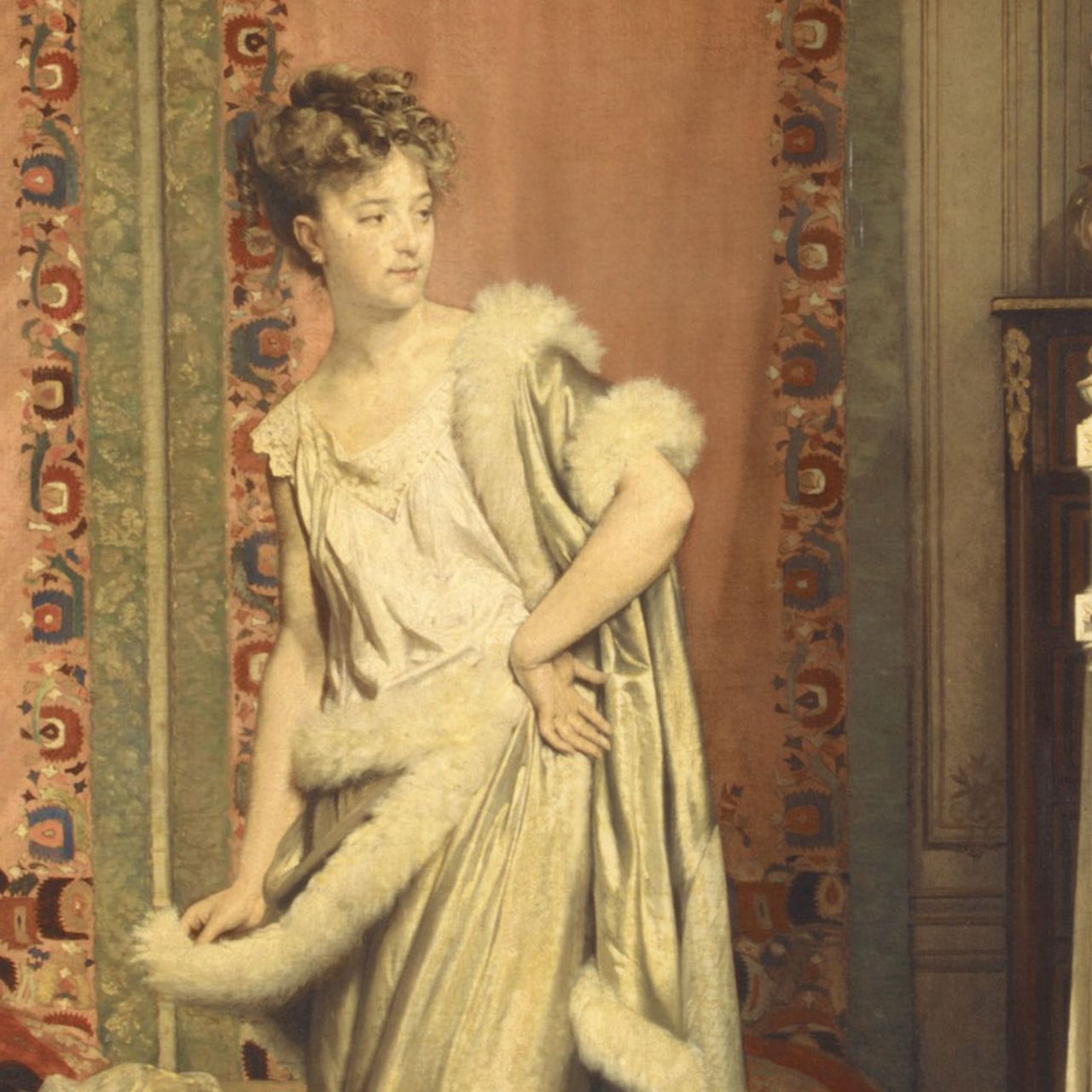
The rise of industrialization and urban life expanded women’s roles. Their appearances were no longer tied only to reproduction. This shift may have led to a new ideal of elegance and grace over strict hourglass shapes.
Limitations and Criticisms
Not all experts agree. Louis Boucherie, a computational social scientist at the University of Copenhagen, points out a gap. His research found that models’ waist-to-hip ratios have stayed stable over 25 years.
Despite rising education and gender equality, fashion ideals have not changed much. This suggests the fashion industry shapes beauty standards more than social trends do.
The study relies on portraits by elite patrons. These images may not represent women from rural or working-class communities. Diversity in body types is likely underrepresented.
What This Means for Understanding Beauty
Portraits are not just art. They are cognitive fossils. They preserve the values and preferences of their time.
By studying them, researchers can trace how beauty ideals have changed. This helps explain how social, economic, and reproductive patterns influence attractiveness.
But the study doesn’t claim beauty is purely biological. Cultural and economic forces remain powerful. Industry, media, and personal expression all play key roles. These are not fully captured in portrait data.
As more portraits are studied, the picture of evolving beauty standards will grow richer. Still, it will always reflect the values of the time—not a universal truth.
Sources & further reading
Featured image: original publisher image. Via original publisher. Image source