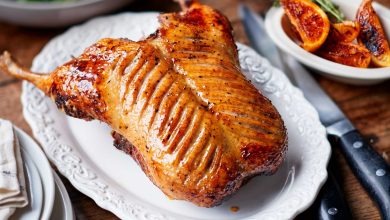
What’s in season – November explores the harvest and produce available in late autumn, drawing on a guide from BBC Good Food in partnership with Gardeners’ World.
Key Produce in November
November marks the tail end of the traditional growing season in temperate climates. The weather is cooler, and daylight hours are shorter, which affects what crops are available.
- Root vegetables such as parsnips, carrots, and turnips are at their peak. These vegetables are harvested in autumn and store well through winter.
- Winter greens like kale, spinach, and chard are widely available. These are often grown in gardens or stored from earlier harvests.
- Apples and pears are in abundance. The season sees a wide variety of varieties, from sweet to tart, with many grown in UK orchards.
- Brussels sprouts and cabbage are commonly available. These are often cooked in rich, hearty dishes to withstand the colder months.
How to Grow Your Own
The guide encourages home gardeners to extend their growing season. While most vegetables are harvested by late autumn, some can be grown through winter with proper care.
For example, hardy herbs like thyme and rosemary can be grown in containers or in a greenhouse. These plants survive cold weather and can be used throughout winter.
Root vegetables such as parsnips and carrots can be left in the ground over winter if the soil is well-covered with mulch. This protects them from freezing and allows them to be harvested in spring.
Recipes and Cooking Ideas
November offers a range of cooking options using seasonal produce. The guide includes simple, practical recipes that use available ingredients.
- A roast parsnip and apple dish combines two seasonal roots with a sweet, warming profile.
- Stir-fried kale with garlic and olive oil is a quick, healthy option for a winter meal.
- Brussels sprout and pear bake uses a combination of crisp, earthy vegetables and sweet fruit to balance flavour.
These recipes are designed to be accessible, using ingredients that are both common and affordable.
Why This Matters
Understanding seasonal produce helps consumers make informed choices. It supports sustainable eating by reducing reliance on imported or out-of-season foods.
It also connects people to local agriculture and gardening. When people grow or buy seasonal food, they are supporting local farms and reducing food waste.
For home gardeners, November offers a chance to reflect on the year’s harvest and plan for the next growing season.
Limitations and Uncertainties
The guide does not cover all regional variations. Availability of produce can differ based on location and climate.
Some vegetables may be imported or stored from earlier seasons, especially in urban areas. This means that the ‘seasonal’ label may not always reflect actual availability.
There is no mention of specific growing techniques or soil conditions required for success. This limits the guide’s practicality for beginners.
The BBC Good Food guide is a general overview. It does not include detailed nutritional data or health benefits of specific foods.
What to Watch Next
As winter progresses, the availability of produce will shift. Early spring vegetables like peas and radishes may begin to appear in late winter.
Home gardeners should monitor weather patterns and soil conditions to plan for the next growing season. The guide suggests keeping a garden journal to track what grows and what fails.
For more seasonal cooking ideas, visit the original source.
Explore our recipe app to access exclusive recipes, meal plans, and cooking tips.
Sources & further reading
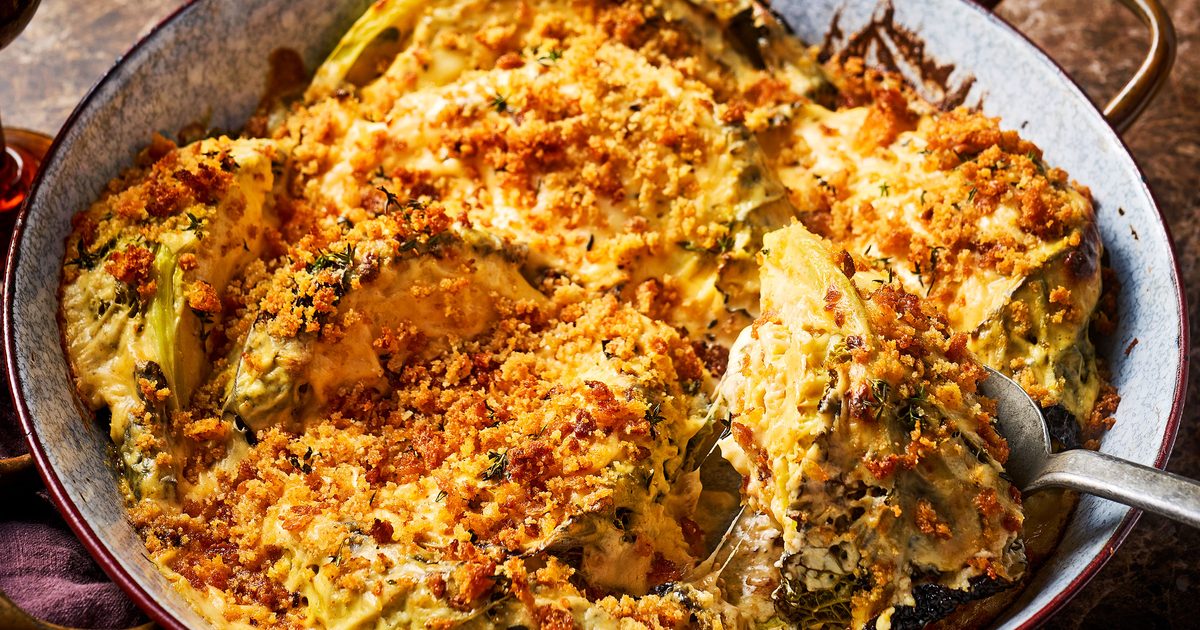
Featured image: A sharing bowl of Alpine-style cheesy cabbage gratin. Via original publisher. Image source