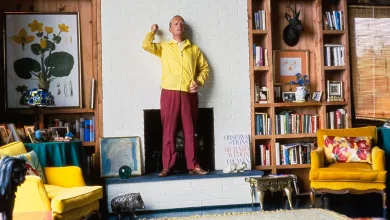
A personal reflection on shifting from a chaotic, spontaneous lifestyle to one grounded in order and care. Source: vogue.com.
From Chaos to Calm
The author recalls a time when disorder was romanticized—when being a bit of a disaster was seen as a sign of authenticity. In the summer of 2005, the writer wore thrifted grandad shirts and Kate Moss-inspired jeans, embodying a lifestyle that valued immediacy over structure. Nights were not planned—they were lived. Laughter, drinks, and unstructured moments defined the rhythm of those years. There was a deep cultural belief, especially among peers and pop culture icons, that spontaneity came from disorganization. The author describes a party trick: walking through a day in glitter, drenched in shine, at three in the afternoon. This wasn’t just a fashion statement—it was a performance of carefree existence, a way of saying, ‘I am not responsible for anything beyond the next moment.’
Self-care was not a priority. Sleep was negotiable. Meals were incidental. Hydration was forgotten. The focus was on the moment, not the future. There was no intention to build habits or maintain routines. The world was seen as a series of fleeting experiences—parties, bars, late-night talks—each one a standalone event with no connection to the next. The author didn’t see the need to prepare for tomorrow, because the present was already overflowing with sensation and noise. This wasn’t laziness—it was a form of rebellion against the idea that life should be managed, planned, or disciplined.
What Changed?
That shift began with fatherhood. The arrival of a child introduced a new reality—one where the author’s actions were no longer just about personal freedom, but about responsibility. A toddler doesn’t care about whether you’ve had enough sleep or eaten properly. The child’s needs are immediate, unfiltered, and constant. This created a quiet but profound shift in perspective. The author began to see that being a parent isn’t about sacrificing one’s identity—it’s about redefining what that identity looks like in a shared, daily context.
Now, the author spends evenings watching Red Dwarf, does laundry, and maintains a clean home. There’s a new appreciation for daily routines. Clean, high-thread-count sheets, a well-stocked fridge, a tidy kitchen—these are no longer luxuries. They are now seen as essential, not just for comfort, but for the stability of daily life. The author has developed an unexpected appetite for maintenance. This isn’t about becoming a perfectionist. It’s about recognizing that a functioning home is a form of emotional safety. When the house looks like it’s been through a small twister, it can feel chaotic and overwhelming. But when it’s orderly, it feels like a sanctuary—a place where both parent and child can rest without anxiety.
Reclaiming the Ordinary
The writer still enjoys dinner and bars with strong spirits. But now, evenings end with a calm exit. There’s no FOMO from an Uber ride. No guilt about not being present for a moment of youth or adventure. The author no longer feels the need to chase excitement or perform for others. The cravings have faded. The mind chatter that once filled nights—about what they might have done, what they could have said, what they might have missed—has quieted. This isn’t a loss of vitality. It’s a redirection of energy. The author no longer sees being interesting as requiring a destructive streak. Instead, being interesting now means showing up consistently, being present, and caring for oneself and others in a measured, thoughtful way.
What It Means to Be “Nice”
The author no longer sees chaos as a necessary part of being alive. Chaos is still present—especially with a toddler—but the writer has set a boundary: a strict 7 p.m. bedtime. This isn’t about restricting freedom. It’s about creating a rhythm that allows for rest, reflection, and preparation for the next day. There’s no need to recover from last night. The focus is now on mornings without regret. A morning that doesn’t require damage control, a house that doesn’t feel like it’s been through a storm, an evening that doesn’t need to be wrung dry for every last drop of excitement.
Reflections on Identity
The author admits they haven’t become a different person. They still enjoy parties, still love the thrill of a good night out. But they have redirected their energy—from destruction to maintenance. Being interesting no longer requires a destructive streak. It now requires consistency, care, and presence. The author has learned that authenticity doesn’t come from chaos, but from integrity. A life lived with intention is not one that runs on adrenaline, but one that moves with purpose and balance.
What the Author Still Believes
There is still skepticism toward those who treat life as an administrative exercise—someone who obsesses over microplastics or sleep hygiene. The author believes such concerns can border on self-indulgent anxiety. But the author now understands that neglecting self-care is not glamorous. It’s also unsustainable. A person who constantly runs on adrenaline, skips meals, and sleeps poorly will eventually reach a point where their body and mind are no longer able to function at their best. Self-care is not a luxury—it is a form of personal integrity.
Why This Matters
For many, the transition from wild nights to daily routines is not about losing freedom. It’s about redefining what freedom looks like—freedom not in chaos, but in balance. It’s a quiet evolution: from living for the moment to living with intention. The author does not claim this is a universal solution. It is a personal journey—one shaped by responsibility, not regret. It suggests that self-care is not a luxury, but a form of personal integrity. While the author still enjoys parties, they now leave them with a sense of peace—not guilt, not longing, but contentment. That contentment comes not from escaping chaos, but from accepting that some days are meant to be still, clean, and kind.
Sources & further reading
Featured image: original publisher image. Via original publisher. Image source