Will COP31 end with a new global climate deal? Source: bbc.co.uk.
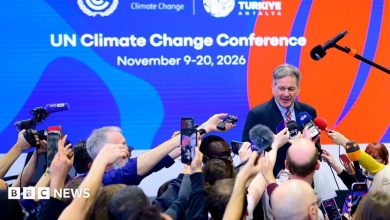
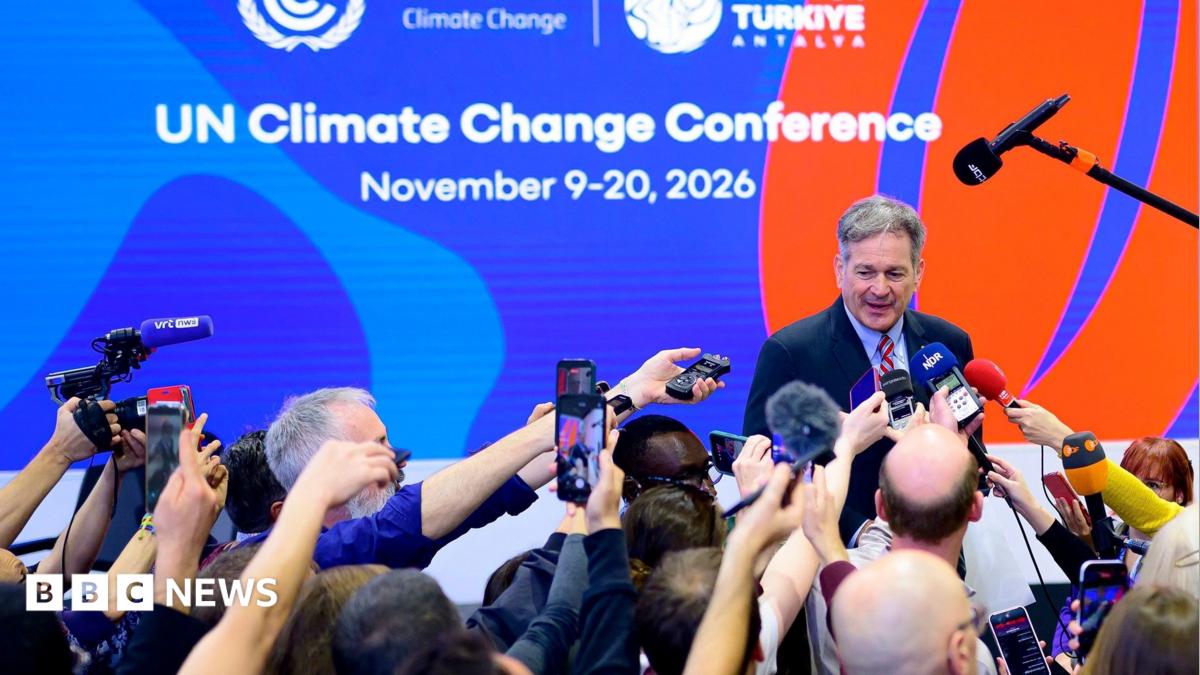
Climate leaders gathered in Antalya, Turkey, for the 31st session of the UN Framework Convention on Climate Change (COP31). The summit has not yet concluded, and no formal agreement has been reached.
What happened at COP31?
As of one hour ago, COP31 is still in session.
Key discussions focus on fossil fuel emissions, climate finance, and adaptation strategies. The talks have been marked by deep divisions, especially over how to address fossil fuel use in developing economies.
According to BBC Climate editor Justin Rowlatt, the summit is facing significant deadlock. He reports that negotiations remain stalled on critical issues, including the role of fossil fuel industries and funding for climate adaptation in vulnerable nations.
Key facts from the summit
- Delegates are discussing how to reduce greenhouse gas emissions without harming economic development in poorer nations.
- Climate finance remains a central point of contention. Developed nations are expected to meet their pledged funding targets, but progress is slow.
- Developing countries are pushing for more transparency and accountability in climate commitments.
- There is no official announcement of a new global climate agreement at this stage.
Rowlatt notes that while some progress has been made on technical aspects, such as reporting standards, there is no consensus on binding targets or enforcement mechanisms.
Background: How COP31 works
COP31 is part of a series of annual meetings under the UNFCCC. Each session builds on the previous one, aiming to strengthen global climate governance.
Previous COPs have led to agreements like the Paris Agreement. However, COP31 has not yet produced a formal outcome. The process typically involves drafting proposals, negotiating compromises, and finalizing a text for adoption.
At this stage, the summit is focused on shaping the language of future commitments rather than finalizing a deal.
Why it matters
Without a clear global climate agreement, progress on emission reductions and climate resilience remains uncertain.
Developing nations face growing pressure to meet climate goals while maintaining economic growth. A lack of consensus risks deepening global inequalities in climate action.
Climate finance is especially critical. Countries in Africa and South Asia are calling for more support to adapt to climate impacts, such as droughts and rising sea levels.
For more on Africa’s demands at the summit, see Africa Demands More Climate Finance at UN Summit.
Limitations and open questions
The current talks do not include binding targets or enforcement mechanisms. There is no indication of a final agreement being adopted.
Some nations have expressed skepticism about the feasibility of reducing emissions without economic disruption. Others argue that current pledges are insufficient.
There is also limited clarity on how decisions will be implemented or monitored. Without accountability structures, compliance remains uncertain.
As of now, the summit has not produced a new global climate deal. The outcome will depend on how negotiators resolve key disagreements over fossil fuels and climate finance.
For a deeper look at the deadlock over fossil fuels, see COP31 Climate Talks in Deadlock Over Fossil Fuels.
What to watch next
Delegates will continue negotiations through the remainder of the week. The final outcome may be announced in the coming days.
Key indicators to watch include:
- Whether a draft agreement is presented for approval.
- How much progress is made on climate finance commitments.
- Whether fossil fuel phase-out timelines are agreed upon.
These developments will shape the next phase of global climate policy. Without a clear consensus, the world may face a prolonged period of stalled climate action.
Sources & further reading
Featured image: A man in a blue suit and red tie is surrounded by the world's press. In the background is a screen that reads "UN Climate Change Conference, November 9-20 2026" and has the UN and Turkey Antalya logos. The screen has blue and red swirls on it.. Via original publisher. Image source