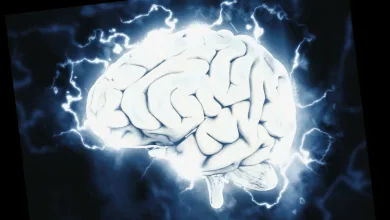
World Meditation Day is observed annually on December 21. It celebrates the practice of meditation and its role in promoting mental well-being. This global observance serves as a timely reminder that in a world increasingly defined by digital connectivity, constant activity, and emotional turbulence, cultivating inner stillness remains one of the most powerful tools for personal and collective resilience. Source: blog.calm.com.
What is World Meditation Day?
World Meditation Day is a global observance dedicated to meditation. It occurs every year on December 21. The day was formally recognized by the United Nations General Assembly in December 2024, marking a significant milestone in the global acknowledgment of meditation as a vital component of mental health and emotional wellness.
While meditation has existed for millennia, World Meditation Day represents a modern evolution of this ancient practice. It is not merely a commemorative date but a call to action—an invitation for individuals, communities, and institutions to prioritize mindfulness as a foundational element of daily life. The day emphasizes that meditation is not a luxury reserved for spiritual seekers or elite practitioners, but a universally accessible tool for managing stress, improving focus, and fostering emotional balance.
History and Origins
Meditation has deep roots in ancient Indian traditions, dating back to around 1500 B.C. In early Hindu and Buddhist philosophies, meditation was not just a spiritual discipline but a method for cultivating self-awareness, emotional clarity, and a profound connection with the inner self. Practices such as breath awareness, mantra repetition, and seated contemplation were central to these traditions.
Over centuries, meditation spread across Asia, evolving in diverse cultural contexts. In China, meditation was integrated into Daoist practices, emphasizing harmony with nature. In Japan, Zen meditation (zazen) became a cornerstone of Buddhist training, emphasizing discipline, presence, and non-attachment. These traditions each contributed unique techniques and philosophies that continue to influence modern meditation practices.
As meditation moved into the Western world during the 20th century, it was adapted to meet the needs of modern life. The rise of psychology and neuroscience in the 1960s and 1970s helped validate meditation through scientific inquiry. Researchers began documenting its effects on attention, emotional regulation, and even brain structure. This growing body of evidence played a key role in popularizing meditation in schools, workplaces, and healthcare settings.
In many cultures, this date marks the winter solstice—the shortest day of the year and the turning point toward longer days. The solstice symbolizes renewal, balance, and the return of light. By aligning World Meditation Day with this date, organizers emphasize the theme of inner turning and personal rebirth. It is a day not only of reflection but of hopeful transformation.
UN Recognition and Official Status
In December 2024, the United Nations General Assembly adopted a resolution designating December 21 as World Meditation Day. This formal recognition reflects a growing global commitment to mental health and emotional well-being.
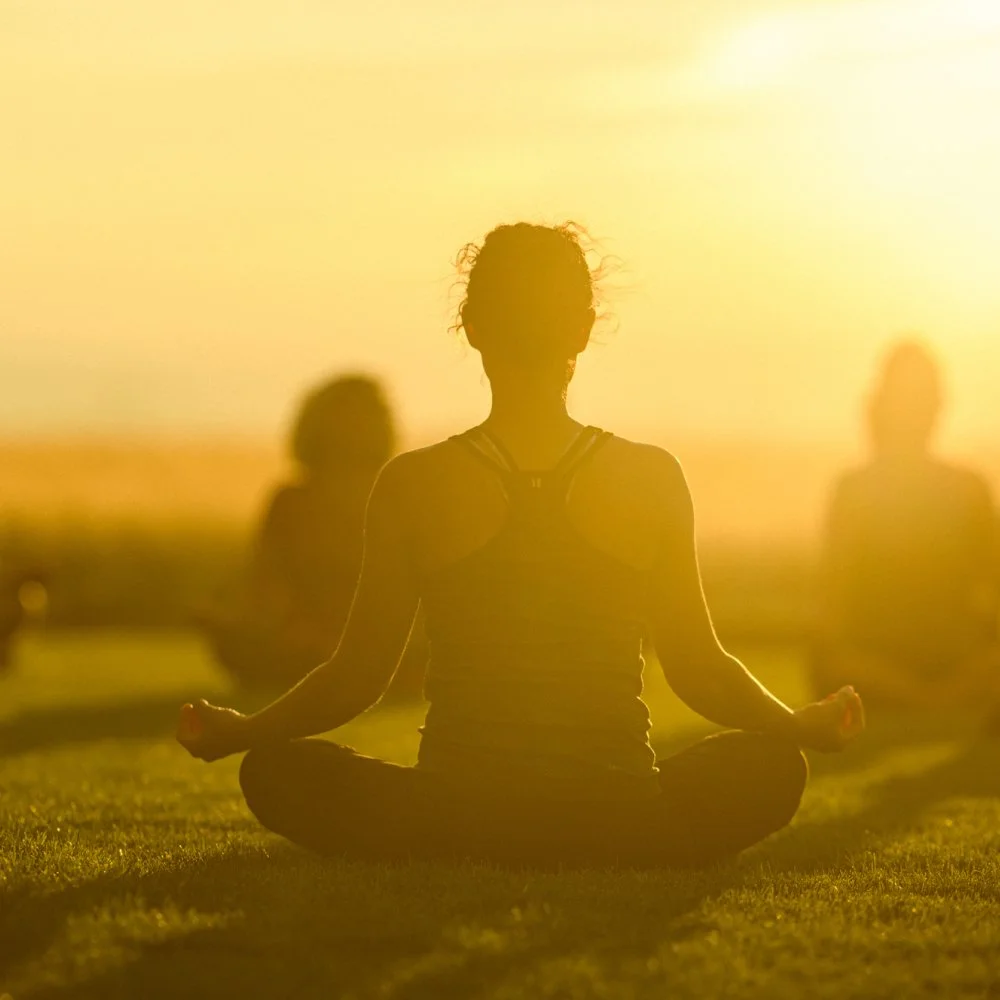
The resolution does not prescribe specific activities or rituals, but instead invites individuals and communities to observe the day in ways that align with their personal, cultural, and spiritual values. This inclusive approach ensures that the day remains accessible and meaningful across diverse populations and belief systems.
The UN’s involvement underscores meditation’s role in broader global conversations about mental health, emotional resilience, and social cohesion. As mental health challenges such as anxiety, depression, and burnout become more prevalent, meditation offers a scalable, evidence-based solution that can be practiced by people of all ages and backgrounds.
Why Meditation Matters Today
Meditation remains relevant in modern life due to rising stress and mental health challenges. In today’s fast-paced world, people face constant demands—workplace pressures, financial concerns, social media overload, and the emotional toll of global events. These pressures contribute to elevated levels of cortisol, the body’s primary stress hormone, which has been linked to a range of physical and psychological conditions.
Regular meditation may help reduce cortisol levels, leading to improved emotional regulation and reduced risk of stress-related diseases. Studies have shown that even brief daily sessions—such as five to ten minutes—can produce measurable benefits in mood and cognitive performance.
Enhanced concentration is another key benefit. Meditation trains the brain to focus, helping individuals manage distractions in work and daily routines. This improved attention span is especially valuable in environments where information overload is common, such as remote work or multitasking environments.
Physical health benefits are also well-documented. Research has linked meditation to lower blood pressure, reduced anxiety, and improved immune system function. These outcomes suggest that meditation is not just a mental practice but one that has tangible physiological effects.
Beyond individual benefits, meditation contributes to global harmony. By cultivating inner peace and mindfulness, individuals are more likely to respond to others with empathy, patience, and compassion. This shift in personal behavior can ripple outward, fostering more positive interactions in communities and across cultures.
How to Participate in World Meditation Day
Whether you are new to meditation or have practiced for years, there are several meaningful ways to take part in World Meditation Day.
- Join a global meditation: Organizations such as the International Meditation Network and Calm host synchronized meditation sessions on December 21. These sessions allow people worldwide to meditate together, creating a shared sense of connection and collective intention. Participants often report feeling a sense of unity and global awareness during these events.
- Attend a meditation workshop: In-person or online workshops offer structured learning about different techniques and deeper understanding. Workshops may include guided sessions, Q&A; with experts, and discussions on how to integrate meditation into daily life.
- Organize or join a community meditation: Events at parks, community centers, or online can build shared purpose and support. These gatherings provide a space for people to come together, share experiences, and strengthen community bonds through shared practice.
- Set aside personal meditation time: A dedicated session—focused on gratitude, intention, or inner peace—can deepen self-awareness. This personal time allows individuals to reflect on their goals, challenges, and emotional states without judgment or distraction.
- Share on social media: Using the hashtag #WorldMeditationDay helps spread awareness and encourages others to join. Sharing experiences, photos, or reflections can inspire others to begin or deepen their own meditation practices.
Enhancing Your Daily Practice
World Meditation Day is also a time to reflect on how to deepen your meditation routine.
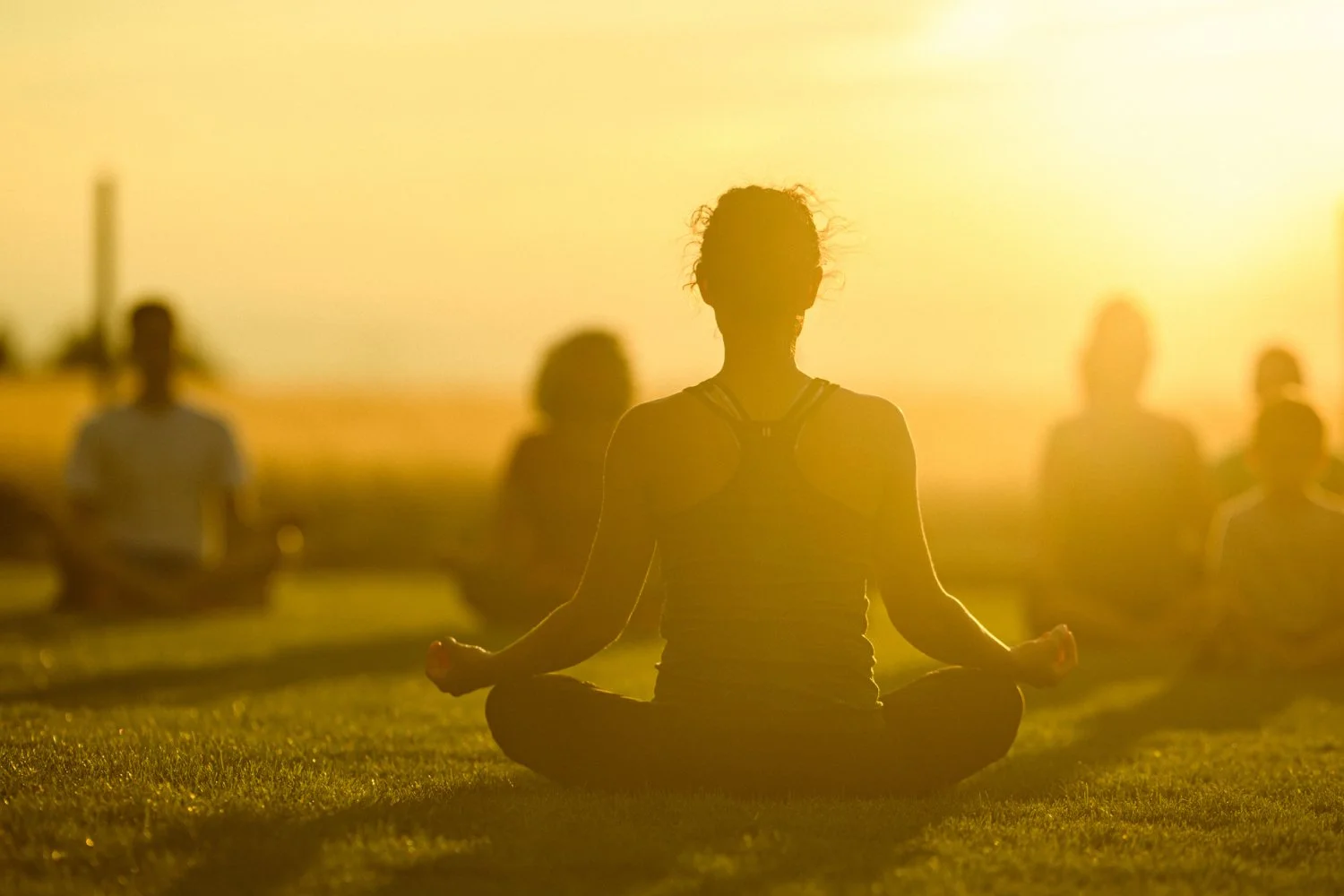
- Try guided meditations: These are especially helpful for beginners. A calm voice leads you through breathing and focus exercises, often with background sounds like ocean waves or birdsong. Guided meditations provide structure and reduce the mental barrier of starting a practice from scratch.
- Create a meditation space: A quiet, comfortable area in your home can signal to your mind that it’s time to pause and reflect. This space can include items like cushions, candles, incense, or soothing artwork. The physical environment plays a key role in shaping the quality of your practice.
- Explore different styles: Beyond mindfulness and transcendental meditation, styles like Zen, Vipassana, or heart-centered meditation offer varied benefits. For example, Zen meditation emphasizes posture and breath, while Vipassana focuses on observing thoughts and sensations without judgment.
- Bring mindfulness into daily activities: Practice presence during walks, meals, or breaks. This helps maintain awareness throughout the day. For instance, paying attention to the taste, texture, and smell of food during meals can transform routine activities into mindful experiences.
- Join meditation communities: Online forums or local groups provide peer support and shared insights into meditation experiences. These communities can offer motivation, accountability, and a sense of belonging, especially during challenging times.
Resources such as Calm’s guided meditation series are available for beginners and experienced meditators alike. These structured programs help build consistency and long-term habit formation.
For more tips on starting a meditation practice, visit Calm’s self-care blog.
Frequently Asked Questions
When was the first World Meditation Day?
The origin of the day is not clearly documented. While meditation has ancient roots, the formal observance of World Meditation Day has grown in popularity over recent years as more people have embraced the practices and recognized their benefits.
Why do we celebrate World Meditation Day?
The day recognizes meditation’s benefits: reducing stress, improving focus, enhancing emotional health, and building community. It serves as a reminder that taking time to pause is not a luxury—it is essential for maintaining mental clarity and emotional resilience.
How can I organize a meditation event in my community?
Start by selecting a location—such as a park or community center. Choose a format like a guided session or silent meditation. Promote the event through local community boards, social media, and word of mouth. Provide clear instructions about what participants should bring (such as mats or cushions) and what they should expect from the event.
What virtual resources are available?
Calm offers a range of guided meditations for different goals—such as sleep, focus, or stress relief. These are accessible online and suitable for all experience levels. Beginners can access a 30-day mindfulness program to build a consistent practice.
For more information on meditation and mental wellness, see Dr. Chris Mosunic’s insights, who clinically reviewed this content.
World Meditation Day is not a new invention. It builds on centuries of spiritual tradition and adapts to modern mental health needs. It serves as a reminder that taking time to pause is not a luxury—it is essential.
Sources & further reading
Featured image: original publisher image. Via original publisher. Image source