Published
Jul 16, 2026 at 10:00 AM EDT
updated
Jul 16, 2026 at 10:04 AM EDT

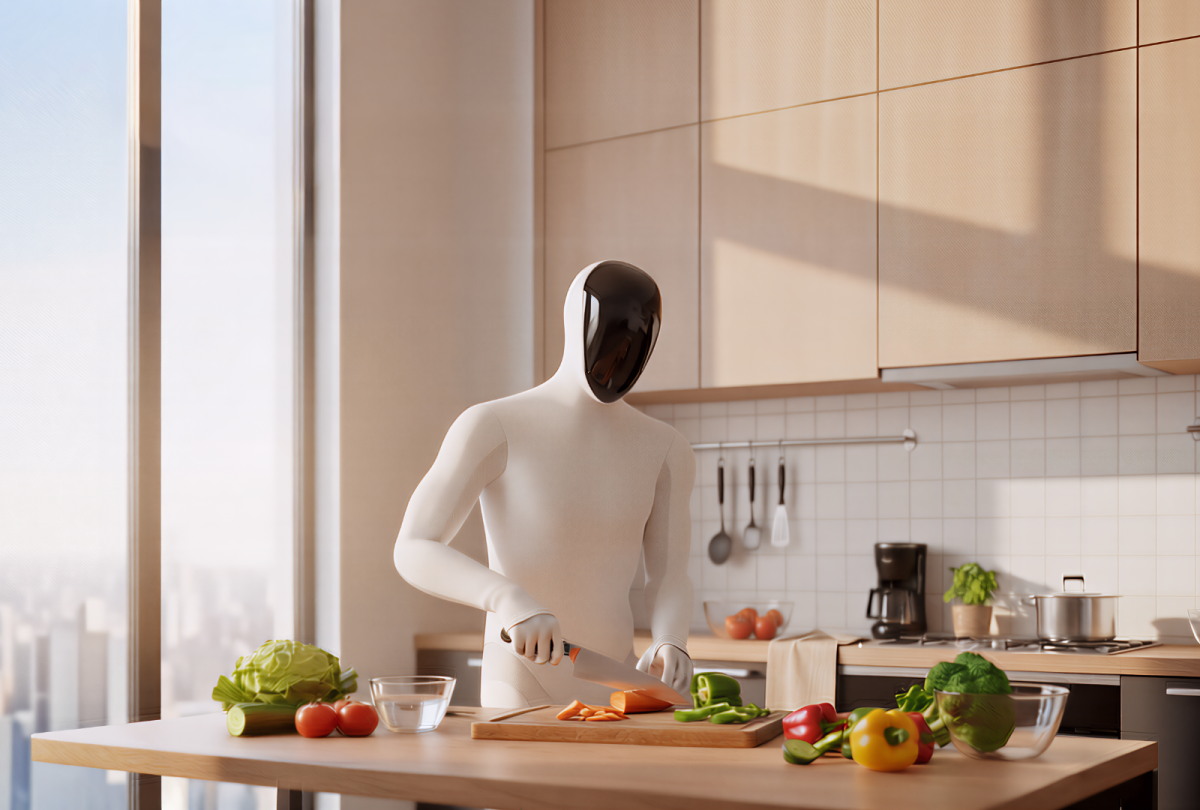
XPENG’s next-generation IRON robot is especially human-like. The 5-foot, 8-inch white-bodied mechanical creature is a showcase of innovation for the Chinese mobility giant, which sees itself as a leader in artificial intelligence.
It isn’t just the computing intelligence that makes IRON impressive. There are layers of innovation that deliver new-age mobility solutions, advancing the case for robot use in areas where humans currently do work.
IRON’s face is a 3D curved display module that features dynamic emotional expression that works in tandem with the robot’s non-verbal communications.
Humanoid robots by Apptronik and Tesla have about 71degrees of freedom, a measurement of the dexterity in the robotics industry. IRON goes far further, with 82 degrees of freedom across its entire body.

XPENG has paired that dexterity with a biology-inspired spinal structure nested in the robot’s waist that enhances the overall flexibility and posture range of the mechanical being.
Its highly anthropomorphic configuration also features 22-degrees of flexibility biometric dexterous hands as well as scapular and forefoot design that enables a human-like gait. XPENG touts this combination as allowing IRON to be stable on its feet.
Like the human body adapts to weight gains and body changes throughout its lifespan, IRON’s adaptive framework allows for different body styles (athletic or slim, for example) and genders. This allows for aesthetic diversity and supports rapid customization for task or customer desires.

XPENG currently has first-generation IRON robots working on production lines, in corporate reception areas and in retail environments. The second-generation model is targeted at the commercial services sector.
Humanoid robots are quickly coming to the forefront of technological advances, especially in China where robot ability showcases and even running races.
In April, the Beijing Etown Humanoid Robot Half Marathon had over 300 robot entrants that ran alongside humans. The race was won by a robot named “Lightning” by smartphone company Honor. It was able to complete the race in just over 50 minutes, significantly faster than the quickest human on the course.