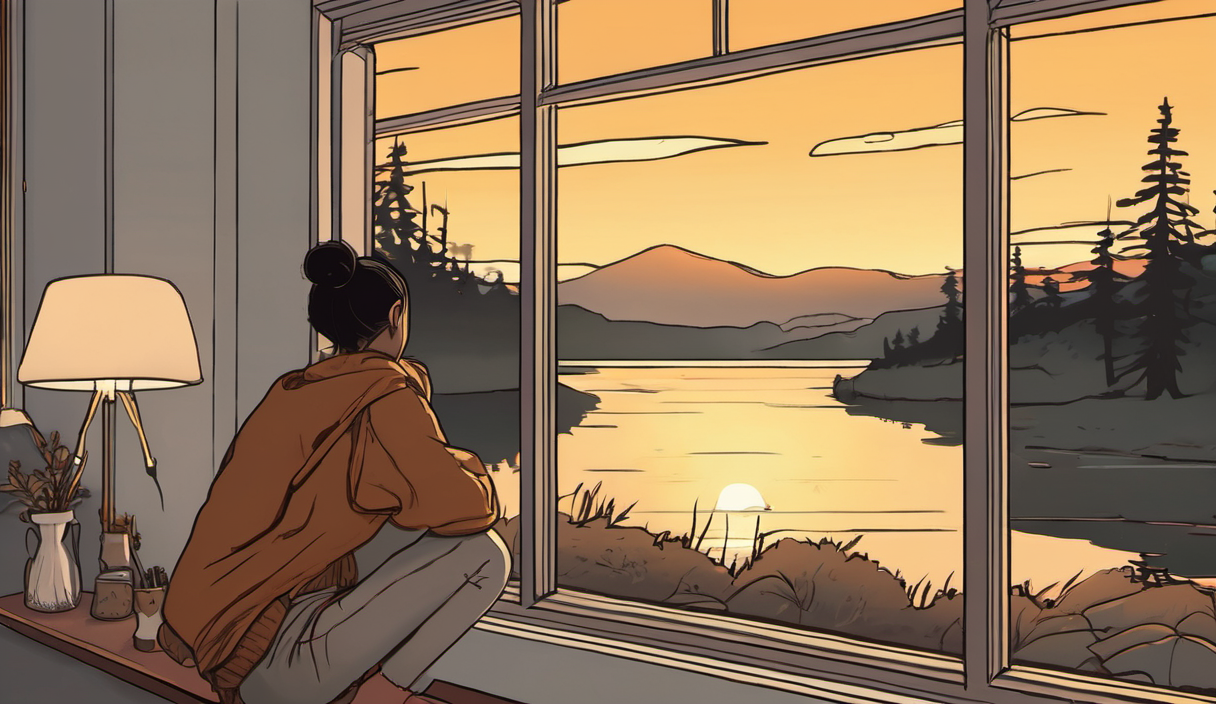
When a day feels emotionally exhausting, certain habits can make recovery harder—especially if they distract rather than heal.
Scrolling Instead of Resting
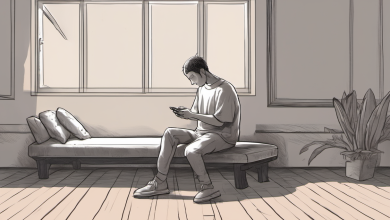
Scrolling on social media often starts with a few minutes. It quickly grows to hours.
Our brains seek distraction when they sense emotional exhaustion. This leads to a cycle of avoidance.
The algorithms feed us content we didn’t ask for—strangers’ opinions, endless recommendations.
Instead of filling the mind, simple rituals offer quiet. These help the nervous system reset.
- Do nothing for ten minutes.
- Make a cup of tea or drink something comforting.
- Watch the sunset.
- Sit beside an open window.
- Spend time near water.
- Take a warm bath or shower.
These moments don’t demand action. They allow the mind to slow down.
Ignoring Emotions
Many people wear emotional masks: saying, ‘I’m fine’ or ‘It wasn’t that bad’.
These statements often hide a deeper truth: ‘I don’t believe I deserve better.’
Emotions don’t vanish when pushed aside. They wait. They return as anxiety, irritability, or numbness.
Healing begins with one simple sentence: ‘Today was hard.’
Author Oleksandra Fomichova recalls her childhood, where her mother expected her to smile—even when she didn’t feel like it.
Now, she allows herself to cry. She doesn’t ask her daughter to pretend she’s okay.
Every emotion has a place. Pretending they don’t exist makes us weaker.
Treating Stress as a Personal Failure
Stress is often seen as proof of weakness. We blame ourselves for feeling overwhelmed.
But stress is information. It can signal:
- Too much workload.
- Need for rest.
- Disappeared boundaries.
- External pressures beyond our control.
The only thing we truly control is how we respond after a stressful day.
Fomichova recalls her grandmother, who joked that emotions are like tiny worms. If trapped, they nibble from within.
She learned to let emotions come and go. She no longer carries yesterday’s stress into tomorrow.
Trying to Earn Rest
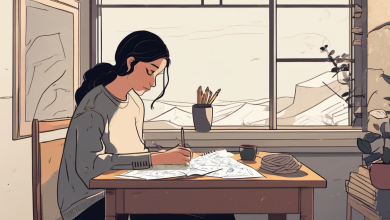
Many believe they must finish one more task before resting.
One more email. One more load of laundry. One more hour of work.
But finishing one more thing rarely leads to true rest. It often just delays recovery.
Rest is not earned. It is needed. The body and mind require it, regardless of productivity.
Overlooking the Need for Balance
Author Fomichova contrasts her mother’s home—orderly but cold—with her grandmother’s—warm, messy, full of creativity.
Her grandmother cooked what she enjoyed, didn’t force food, and loved animals and star-filled nights.
She taught a key lesson: balance. You don’t have to force yourself through everything.
After a stressful day, home doesn’t have to be a continuation of the stress.
Simple acts—taking a warm bath, eating something enjoyed, wrapping in a favorite blanket—can heal.
Healing is often simpler than we imagine.
The article is written by Oleksandra Fomichova, who shares personal reflections from her childhood and present-day practices. It is not medical advice. Content on Tiny Buddha is designed to support, not replace, professional care.
For more on mindful living and emotional balance, see the original source.
Related topics include emotional resilience, mental health habits, and mindful recovery practices.
Sources & further reading
AI-generated illustration.