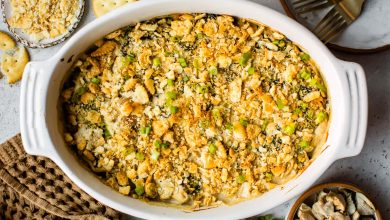
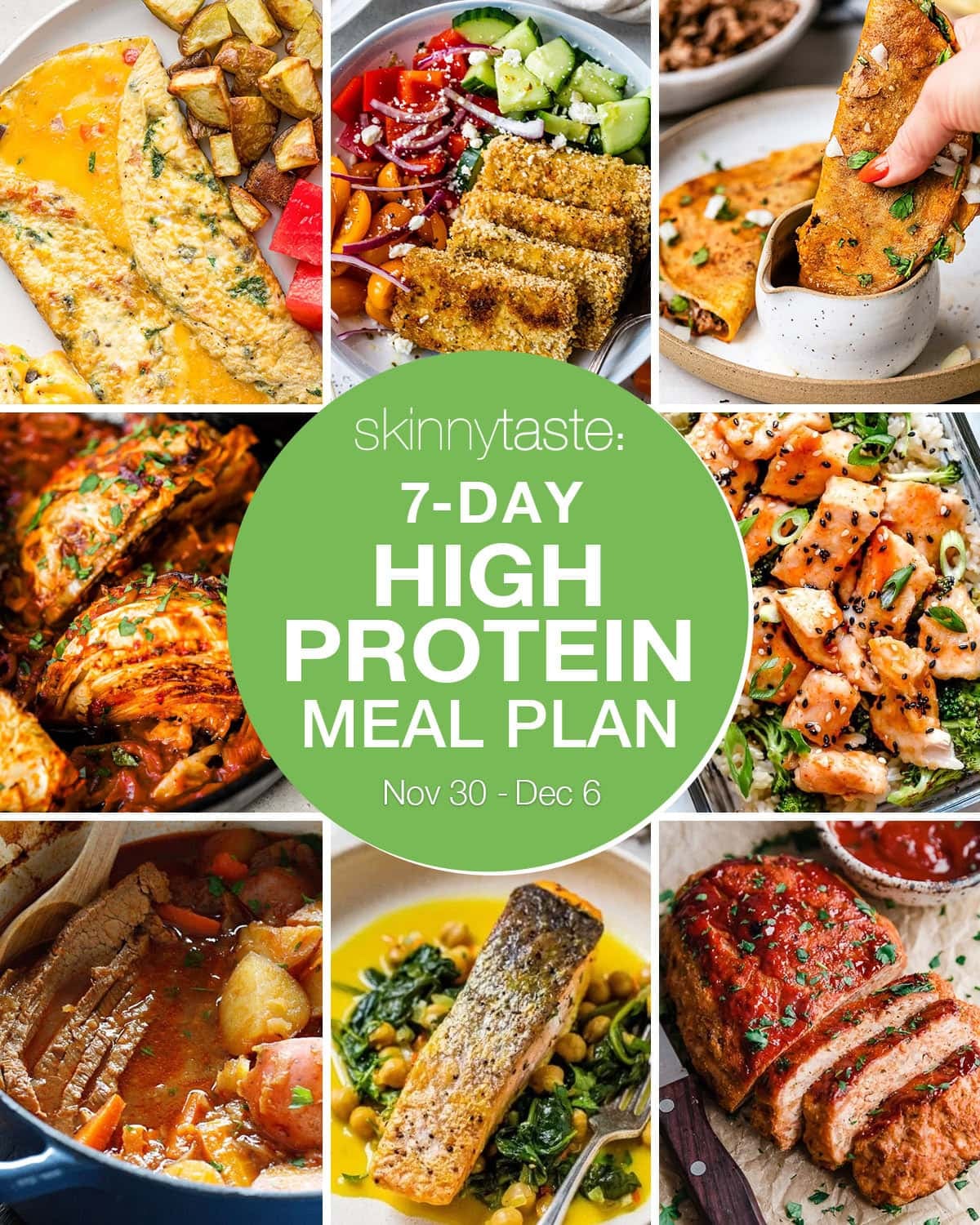
A 7-day high-protein meal plan offers detailed recipes for breakfast, lunch, and dinner. Each dish includes estimated calories and protein content, designed to help users meet daily protein goals. Source: skinnytaste.com.
What the Plan Offers
The plan provides a flexible, daily guide with three meals per day. Recipes are designed for one person on weekdays and for a family of four on weekends.
Many recipes produce leftovers. These can be saved for future meals or reused, reducing waste and saving time. For example, slow cooker birria tacos or braised beef brisket can be used in multiple dishes across the week.
Daily Breakdown and Meal Examples
Monday starts with a high-protein omelet made with two links of chicken sausage and one mandarin orange. This breakfast is rich in flavor and delivers a strong protein start.
Lunch is a honey sriracha chicken and broccoli meal prep bowl. It combines grilled chicken with steamed broccoli and a spicy sauce for balanced nutrition.
Dinner features Greek tofu bowls over half a cup of quinoa. Two servings are prepared, making it ideal for sharing or storing.
Tuesday begins with a half-recipe of whipped cottage cheese bowls. This creamy breakfast delivers a high-protein start to the day.
Lunch remains the same chicken and broccoli bowl. Dinner includes slow cooker birria tacos with quick cabbage slaw. The birria is slow-cooked for depth, while the slaw adds crispness.
Wednesday repeats Monday’s breakfast and lunch. The dinner uses leftover birria tacos, increasing protein intake without extra effort.
Thursday’s breakfast is a half-recipe of whipped cottage cheese bowls. The lunch stays the same.
Dinner is a salmon coconut curry with spinach and chickpeas, served with ¾ cup brown rice. This dish combines omega-3s, fiber, and balanced macronutrients.
Friday starts with a high-protein omelet with chicken sausage and a mandarin orange. Lunch is an ahi tuna poke stack in half-recipe, combining raw tuna with vegetables and citrus dressing.
Dinner includes braised beef brisket with potatoes and carrots, paired with spiralized sweet potato latkes and a salad of arugula, pomegranate seeds, blue cheese, and pistachios. This meal offers strong protein and healthy fats.
On Saturday, breakfast is banana nut protein oats, scaled for four people. It provides fiber and sustained energy. Lunch is leftover brisket, reducing prep time. Dinner is a restaurant meal with no recipe, allowing flexibility.
Sunday begins with a bacon egg and avocado breakfast sandwich. It combines protein, fat, and texture in one dish.
Lunch is a Thai-inspired chicken salad with grilled chicken, greens, and a tangy dressing. Dinner is turkey meatloaf with braised cabbage and instant pot mashed potatoes. This meal is comforting and protein-rich.
Protein and Calorie Targets
The plan recommends at least 30 grams of protein per meal, plus 10 to 30 grams from snacks. This helps maintain consistent energy and reduces cravings for sugary foods.
Women should aim for about 1,500 calories daily. A personal calorie calculator can help determine individual needs based on age, weight, and activity.
Why High Protein?
The creator has followed a high-protein diet for years to support muscle gain and strength. They report feeling more energized and satisfied throughout the day.
This increased satisfaction reduces the urge to eat unhealthy snacks. The body uses protein efficiently, especially when spread across meals.
How the Plan Works
The plan is a guide, not a strict rule. Users can adjust portions, swap ingredients, or replace recipes with personal favorites.
For example, someone who prefers plant-based proteins might use lentils or tofu instead of chicken. Seafood lovers can swap in fish or shrimp.
It recommends at least 1,500 calories per day. This is a general guideline and may vary by age, gender, weight, and activity level.
Health Considerations and Limitations
High-protein diets are not suitable for everyone. People with kidney or liver disease, gout, or metabolic disorders may need to limit protein intake.
Excess protein can strain the kidneys, especially in those with pre-existing conditions. Always consult a healthcare provider or dietitian before increasing protein intake significantly.
Shopping List and Ingredients
A full grocery list covers all ingredients needed. It includes produce, meat, dairy, grains, condiments, and canned items.
- Produce includes oranges, limes, apples, bananas, kiwi, strawberries, avocados, cucumbers, peppers, carrots, broccoli, sweet potatoes, and potatoes. These support a wide range of dishes.
- Meat includes chicken sausage, bacon, beef brisket, chuck roast, ground turkey, chicken breasts, and salmon. These provide consistent protein across meals.
- Dairy includes cottage cheese, Greek yogurt, sour cream, butter, and cheeses like cheddar, Monterey Jack, feta, and blue cheese. These add flavor and protein.
- Grains include oats, corn tortillas, breadcrumbs, and dry brown rice or quinoa. These offer energy and fiber.
- Condiments include sriracha, soy sauce, vinegar, spices, and oils. These enhance taste without adding unhealthy fats.
- Canned items include chickpeas, coconut milk, broth, tomato paste, and crushed tomatoes. These are used in curries and sauces for convenience and nutrition.
Some items have optional substitutions. For example, gluten-free versions are available. Monk fruit sweetener and powdered peanut butter can adjust sweetness without compromising goals.
Author’s Background and Intent
The author has used a high-protein diet for years to build muscle and improve energy. They’ve found it helps reduce cravings for unhealthy snacks.
This meal plan was created to help others meet daily protein goals. It will be shared monthly, with a high-protein cookbook in development.
The author encourages joining a Facebook community and email list to share meals and recipes, building a supportive environment for healthy habits.
Additional Resources
A printable meal planner includes weekly grids, a 12-week plan, 30 recipes, and tear-out grocery lists. It’s available as a spiral-bound book.
The original source is available at skinnytaste.com.
The plan is for general wellness. It does not replace medical advice. Always consult a healthcare provider before making significant dietary changes.
Sources & further reading
Featured image: meal plan images for the week. Via original publisher. Image source