
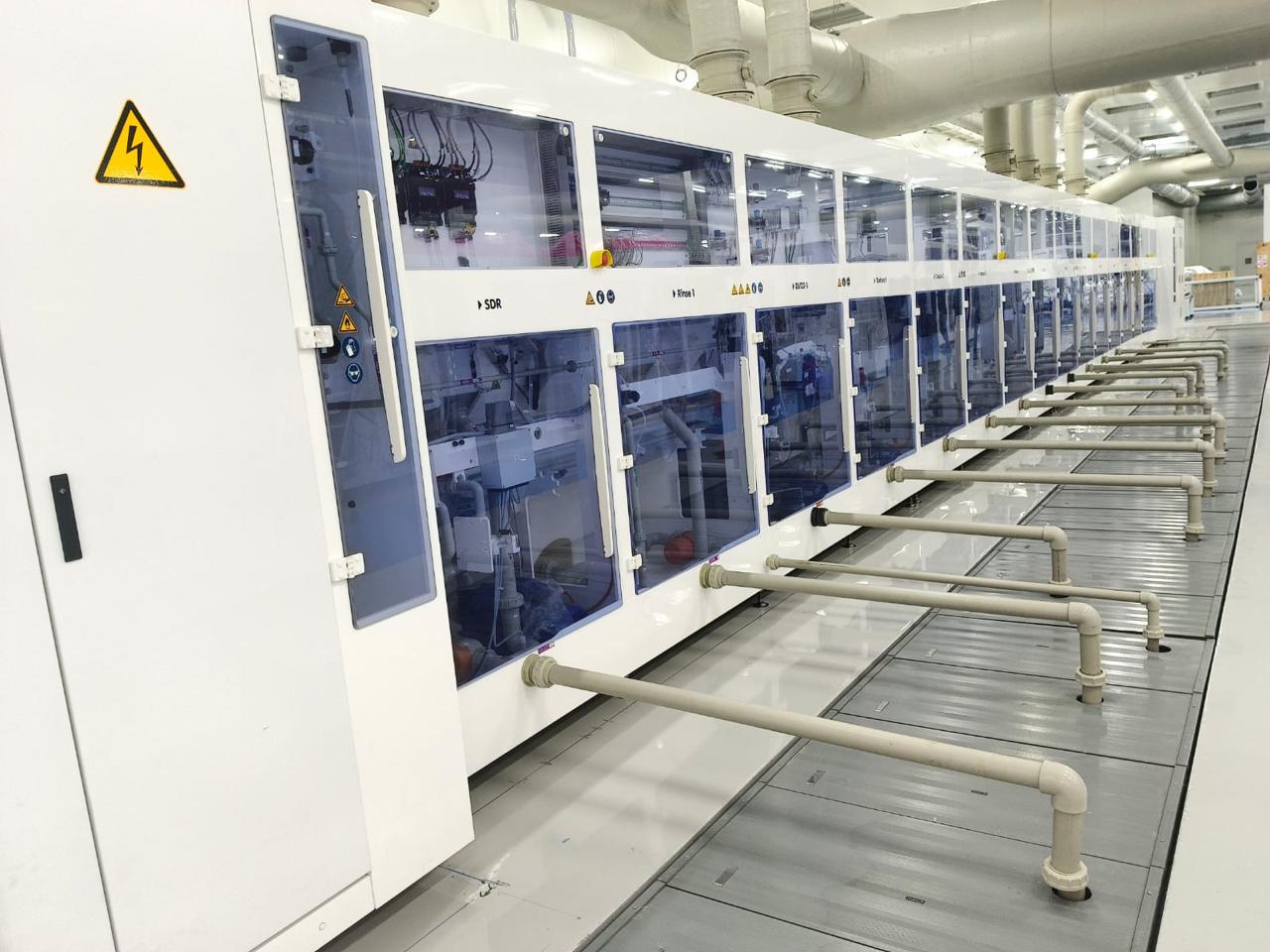
In just a year, ALMM-listed solar PV cell manufacturing capacity has increased from around 13 GW to roughly 31 GW across eight revisions. With a substantial pipeline of commissioned, under-construction and announced projects, capacity is expected to cross 100 GW by June 2027.
India is witnessing a remarkable expansion in solar cell manufacturing. In just a year, ALMM-listed cell manufacturing capacity has increased from around 13 GW to roughly 31 GW across eight revisions. With a substantial pipeline of commissioned, under-construction and announced projects, capacity is expected to cross 100 GW by June 2027.
This is more than a capacity addition. It marks the emergence of a deeper technology and manufacturing base for India’s solar industry. The country has already established significant module manufacturing scale, and the rapid growth of cell manufacturing is now adding the technological depth behind that scale.
The solar cell is the technology-defining component of a module and accounts for roughly 60 per cent of its value. As the industry moves towards higher-efficiency technologies such as Topcon and beyond, cell manufacturing is where technology, process expertise, quality and innovation increasingly converge.
Indian cell manufacturers are investing in precisely these capabilities. The new capacity being created represents investments in advanced technologies, process optimisation, yield improvement, quality systems, skilled manpower and R&D. These investments are building the foundation for a globally competitive Indian solar industry.
A strong domestic cell manufacturing base also gives India greater control over its solar technology roadmap. Manufacturers with domestic cell capabilities can respond faster to changes in cell architecture, efficiency and manufacturing processes, while developing products suited to evolving domestic and international requirements. Over time, this capability can become a significant competitive advantage for Indian companies in global markets.
The expansion of cell manufacturing is the natural next step in India’s successful build-out of module manufacturing. India has demonstrated its ability to create downstream scale. The opportunity now is to deepen that ecosystem by increasing the technology and value addition created within the country.
The significance of this investment is even greater because cell manufacturing is considerably more complex than module assembly. It requires substantially higher capital investment, specialised equipment, sophisticated process capabilities and longer gestation periods before stable commercial yields are achieved. The relatively small number of cell manufacturers compared with module manufacturers reflects these higher barriers to entry and the scale of commitment required.
India’s cell manufacturers are taking on this challenge at scale. They are committing significant capital to build facilities that will form the backbone of India’s solar manufacturing ecosystem for years to come.
Policy initiatives such as the Production Linked Incentive (PLI) Scheme have helped catalyse this investment. As projects move through commissioning and commercial operations, the resulting capacity additions will strengthen domestic manufacturing, deepen technology capabilities and enhance India’s ability to serve its rapidly expanding solar market.
The next phase of this investment cycle will depend on maintaining confidence in India’s manufacturing policy framework. Cell manufacturing investments involve substantial capital and multi-year planning horizons. Companies investing today are building facilities designed to serve India’s solar market well beyond the immediate project cycle. A stable and predictable policy framework is therefore critical to sustaining the investment momentum already underway and encouraging the next wave of domestic cell and upstream manufacturing.
India has already demonstrated its ability to build manufacturing scale, and the rapid expansion of cell manufacturing is now adding greater technological depth to that ecosystem. The growth of ALMM-listed cell capacity from around 13 GW to roughly 31 GW in just a year, with capacity expected to cross 100 GW by June 2027, demonstrates the confidence Indian manufacturers have placed in the country’s solar opportunity.
The next chapter of India’s solar manufacturing story will therefore not be measured only by how many modules the country can produce. It will increasingly be measured by the strength, technology and global competitiveness of the Indian cell manufacturing ecosystem powering those modules.
The views and opinions expressed in this article are the author’s own, and do not necessarily reflect those held by pv magazine.
This content is protected by copyright and may not be reused. If you want to cooperate with us and would like to reuse some of our content, please contact: [email protected].

