The Metropolitan Police has submitted its final investigation file into the Grenfell Tower fire to the Crown Prosecution Service (CPS). This marks the end of the police-led evidence-gathering phase.
What Happened
The fire broke out on 14 June 2017 in North Kensington, west London. It started in the early hours and spread quickly through the residential tower block.
Seventy-two people died in the blaze — a figure confirmed by official sources. The fire consumed the building in a short time.
The tower housed many elderly and vulnerable residents. Fire safety systems failed. Escape routes were blocked. Emergency services faced major challenges.
The Metropolitan Police called this one of the most complex investigations ever by a UK law enforcement agency. The case involved many parties and technical details.
The final file has now been handed to the CPS. The CPS will decide if any criminal charges are brought.
Key Facts
- Seventy-two people died in the blaze on 14 June 2017.
- Twenty companies and organisations, along with 54 individuals, could face criminal charges.
- The investigation file was submitted to the CPS.
- A public inquiry in 2024 found the fire was avoidable due to serious safety failures.
- The fire began in combustible cladding — a key factor in its rapid spread.
- Multiple reports found violations of fire safety rules, including unsafe cladding and poor evacuation plans.
The file includes forensic reports, witness statements, technical analyses, and records of communications between contractors, managers, and regulators.
How the Investigation Works
After a major fire with fatalities, UK law enforcement launches a formal investigation. This ensures due process, transparency, and accountability.
The Metropolitan Police leads the investigation. It collects physical evidence, interviews witnesses, and assesses possible criminal liability.
The process has several stages: initial response, evidence collection, expert analysis, and final reporting. The Grenfell case spanned years due to the number of parties and technical complexity.
Once complete, the final file is sent to the CPS. The CPS evaluates whether charges are justified. This depends on evidence strength, relevance, and whether actions broke the law.
Submitting a file does not mean charges will follow. The CPS may find the evidence weak or the actions not criminal. This process can take months or years.
Why It Matters
The Grenfell Tower fire was a major public safety failure. It revealed deep flaws in building safety rules, oversight, and accountability.
A 2024 public inquiry found the fire was avoidable. This shows a culture of complacency and weak enforcement of safety standards.
By handing the file to the CPS, the investigation moves toward potential accountability. If charges are brought, it could set a legal precedent for future building safety cases.
This case may lead to new policies — such as mandatory fire audits, stricter cladding rules, and greater transparency in building materials.
Building Safety Failures
The public inquiry found the tower used combustible cladding. This material was not safe under fire regulations.
Regulatory bodies, including the Building Safety Regulator and local authorities, failed to monitor or enforce safety rules. Warnings were issued, but no action was taken.
Emergency services lacked coordination with building management. There was no evacuation plan. Fire detection systems failed to activate.
Open Questions
The source does not name specific individuals or companies. It does not list the charges under consideration. This limits public transparency.
There is no timeline for when the investigation ended. This makes it hard to judge the process’s efficiency or thoroughness.
The CPS has not yet made a decision on charges. No public updates are available. The public remains in waiting.
While the fire was avoidable, the legal process may not yet assign criminal liability. The line between negligence and criminal action remains unclear — especially in complex construction decisions.
What to Watch For
Public attention will focus on the CPS’s next steps. Media may report on charges, hearings, or official statements.
Any developments could shape future building safety rules and accountability in the UK. The case may trigger a broader review of how public infrastructure is built and maintained.
This article is a breaking update. More details will be published soon. Readers should refresh the page or follow the BBC News App and @BBCBreaking on X for updates.
The original source is available at BBC News.
This step is part of a broader effort to hold accountable those responsible for preventable tragedies in public infrastructure. While evidence collection is done, the legal process remains open. The outcome could shape future safety standards and corporate responsibility in the UK construction sector.
Sources & further reading
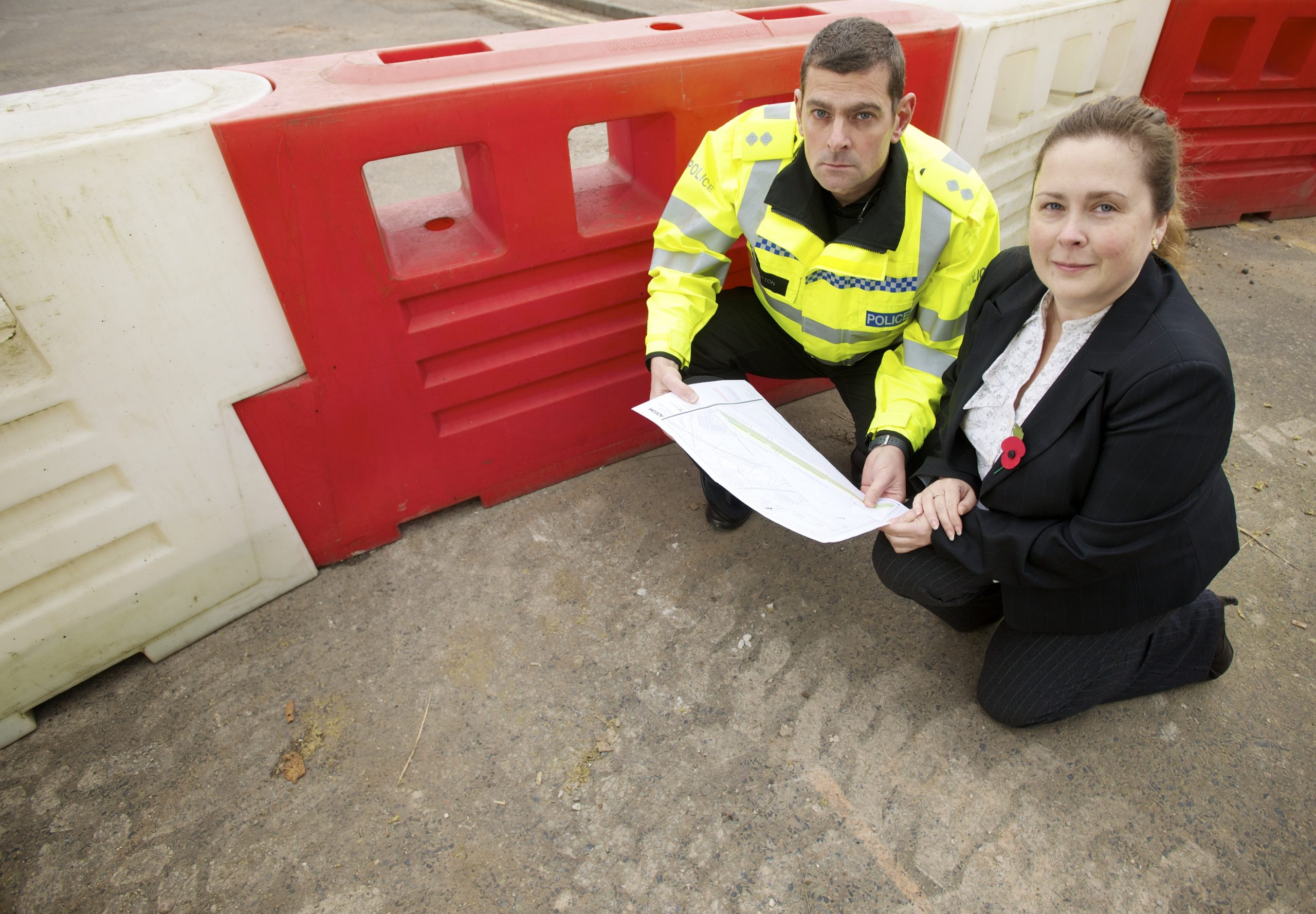
Featured image: Day 315 – West Midlands Police – Tackling Street Racers… by West Midlands Police from West Midlands, United Kingdom, CC BY-SA 2.0, via Wikimedia Commons. Image source · License