A simple and flavorful fall dessert, pumpkin crisp, has gained popularity for its comforting texture and ease of preparation. This dessert embodies the essence of autumn with its rich, spiced pumpkin filling and a satisfyingly crumbly oat topping that provides a delightful contrast to the creamy base. Source: lifeloveandsugar.com.
What Is Pumpkin Crisp?
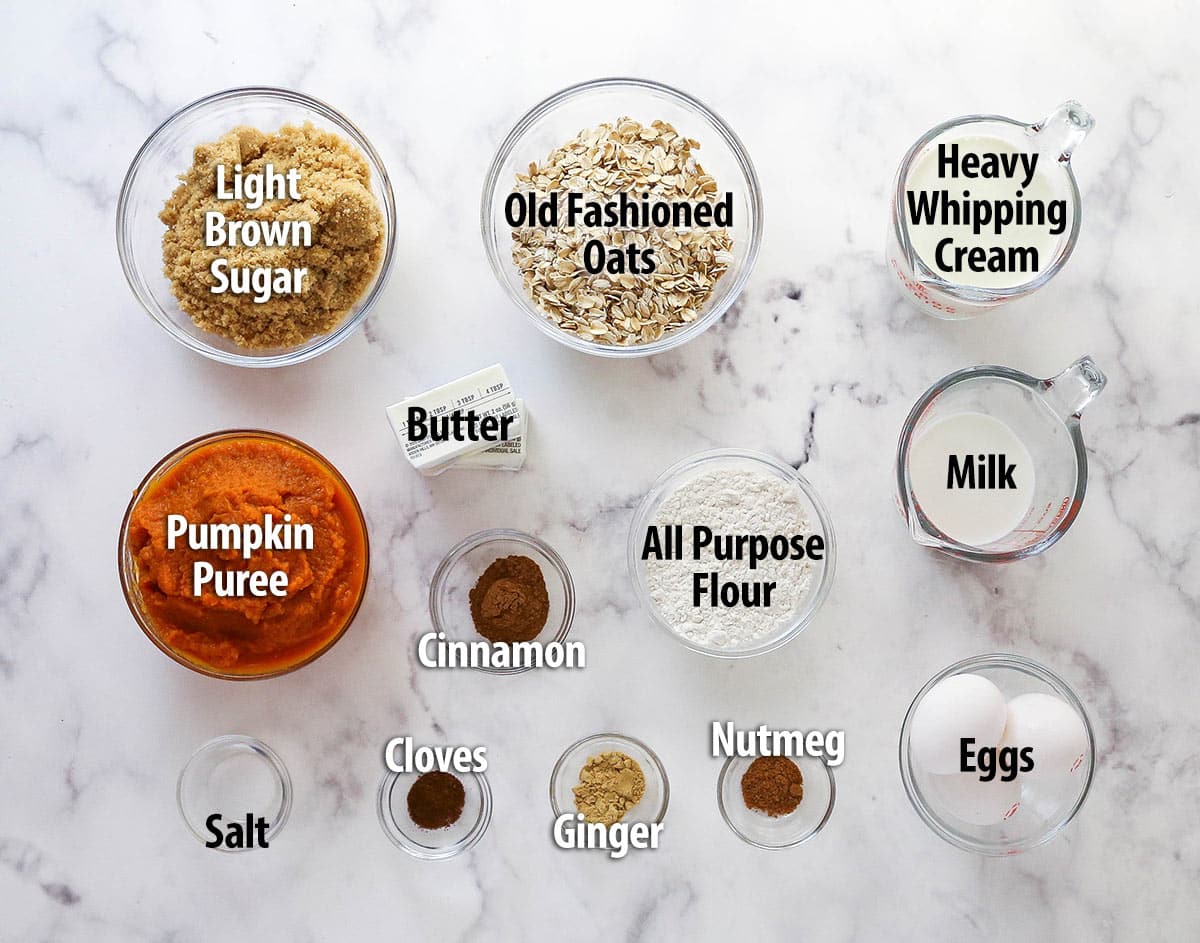
Pumpkin crisp is a fall-inspired dessert that combines the rich taste of pumpkin with a crumbly, crispy oat topping. The filling is made from canned pumpkin puree, eggs, light brown sugar, and a blend of warm spices—cinnamon, ginger, nutmeg, and cloves—that evoke the classic flavor profile of pumpkin pie without the need for a crust.
Unlike traditional pumpkin pie, which is typically served cold, this version is baked and served warm. The warmth enhances the depth of the spices and brings out the natural sweetness of the pumpkin, creating a more dynamic and inviting flavor experience.
The texture is uniquely balanced: the filling is smooth and slightly gooey, while the topping offers a crisp, crunchy bite that gives the dessert structure and a satisfying snap with each bite.
How It’s Made
The recipe begins with a pumpkin filling made from canned pumpkin puree, large eggs, light brown sugar, and a blend of spices—cinnamon, ginger, nutmeg, and cloves. These ingredients are combined in a bowl and whisked together until well blended.
Heavy whipping cream and whole milk are added to create a smooth, creamy base. The source notes that room temperature ingredients help achieve a smoother mix and better texture, as cold ingredients can result in lumps or uneven mixing.
For the topping, old-fashioned rolled oats are combined with brown sugar, butter, and spices. The butter must be kept cold—this is critical to achieving a crumbly texture. If the butter is at room temperature, the mixture will become clumpy and lose its crispness.
The filling is poured into a deep dish pie pan that has been sprayed with non-stick cooking spray to prevent sticking. The oat mixture is then evenly sprinkled over the surface of the filling.
After baking, the crisp is allowed to cool in the pan for 15 to 20 minutes. This cooling period allows the temperature to stabilize and the texture to firm up slightly without becoming overly hard or dry.
Key Ingredient Notes
- Pumpkin puree: Canned pumpkin is preferred over homemade for consistent texture and ease of use. Libby is cited as a recommended brand, though other brands offer similar results. It is important to use canned pumpkin puree, not pumpkin pie filling, which contains sugar and oil and has a different composition.
- Eggs: Large eggs are specified, not medium or extra large. This ensures proper binding and a balanced consistency in the filling.
- Brown sugar: Light brown sugar is used for balanced sweetness and a subtle molasses note that complements the spices without overpowering the pumpkin flavor.
- Spices: A blend of cinnamon, ginger, nutmeg, and cloves delivers the classic pumpkin pie flavor profile. These spices are not only aromatic but also contribute to the overall warmth and depth of the dessert.
- Heavy cream: Must be at room temperature for smooth mixing; substitution is not advised. Cold cream may result in a lumpy or uneven texture.
- Milk: Whole milk is recommended for optimal texture and richness. Skim or low-fat milk may result in a thinner filling.
- Oats: Old-fashioned rolled oats are used to maintain crispness. Instant or quick-cook oats are not suitable because they absorb moisture and lose their texture during baking.
Why It’s a Fall Favorite
It offers a simpler alternative to pumpkin pie without the need for a pie crust or concerns about cracking. The absence of a crust makes it easier to prepare and more flexible in terms of serving size and presentation.
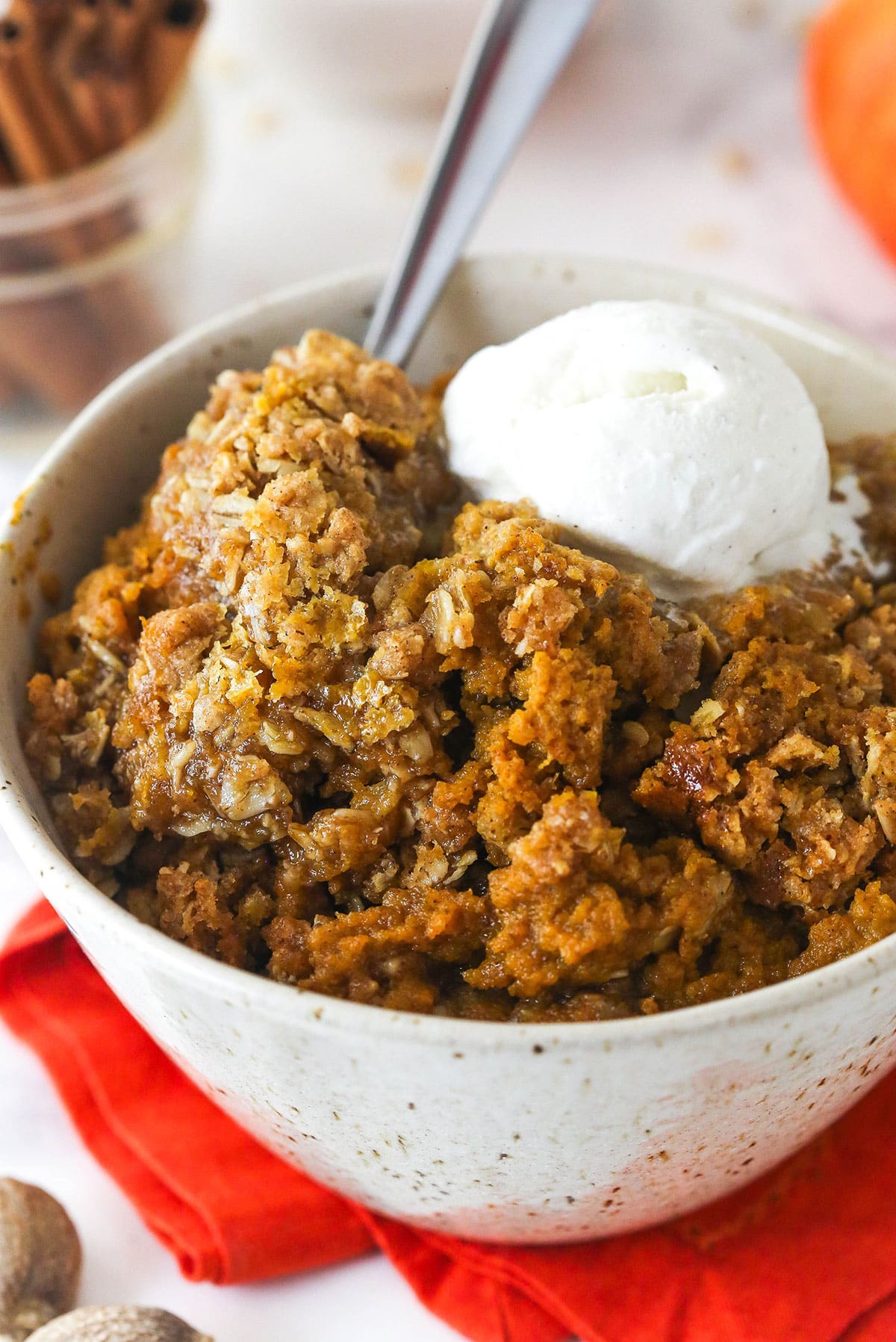
The topping provides a satisfying contrast to the creamy filling—crumbly and slightly sweet, with a crisp bite. This texture contrast is one of the reasons it feels so complete and satisfying.
It is versatile, suitable for casual weeknight desserts or as a Thanksgiving alternative to pie. It can be made in advance and stored, making it ideal for holiday planning or family gatherings.
Serving Suggestions
It is best enjoyed warm, served with a scoop of vanilla ice cream. The warmth of the dessert enhances the flavors, and the ice cream adds a cool, creamy counterpoint.
For a more refined touch, a drizzle of caramel or salted caramel sauce can be added. This elevates the experience with a rich, slightly sweet finish.
Whipped cream, especially mascarpone, is a flavorful alternative to ice cream. It adds a lighter, richer texture and a slightly tangy note that complements the spices.
Storage and Reheating
Leftovers can be stored in the refrigerator for up to 3 to 4 days, covered tightly with plastic wrap or in an airtight container. This preserves freshness and prevents the filling from drying out.
For freezing, the crisp should be wrapped in two layers of plastic wrap to prevent freezer burn. When thawed, it can be reheated to restore warmth and texture.
However, the topping will not regain the same crispness as when first baked.
Personal Experience and Feedback
The author notes that their partner could not stop eating the dessert when it was first made. This reflects its appeal as a rich, satisfying treat that delivers on both taste and comfort.
The recipe is described as ‘so good’ and ‘one of those desserts that sounds good, but tastes even better.’ This sentiment underscores its ability to exceed expectations in both flavor and satisfaction.
The author emphasizes that the recipe is easy to follow and requires only a few ingredients, making it accessible for home cooks of all skill levels.
Limitations and Considerations
The recipe does not include instructions for substituting ingredients, such as using different types of milk or cream. While the original recipe uses whole milk and heavy cream, alternatives may affect the texture and richness.
While the topping is designed to stay crisp, cold butter is essential—any deviation may result in a clumpy texture. This makes the recipe sensitive to preparation conditions.
The author does not address potential allergens or dietary restrictions, such as gluten or nut content. For individuals with allergies, ingredient substitutions or alternative oats may be necessary.
There is no mention of nutritional information or calorie counts, which limits its usefulness for health-conscious or calorie-tracking individuals.
Although the recipe is simple, it is not designed for large-scale production or commercial use. It is best suited for individual or small household servings.
For those seeking a more traditional pie experience, the recipe may not fully replicate the structure of a classic pie. However, it offers a delicious and accessible alternative that captures the spirit of fall desserts.
For a similar recipe, readers may explore the pecan praline pumpkin pie bars or easy apple crisp.
For a classic pumpkin pie experience, see the classic pumpkin pie recipe.
Sources & further reading
Featured image: A bowl of pumpkin crisp with a scoop of vanilla ice cream. Via original publisher. Image source