A flight from Dubai to Tel Aviv was unexpectedly diverted after a physical altercation between the pilots, Israeli officials said.
What Happened
The Flydubai aircraft took off from Dubai International Airport early on Wednesday morning.
About two hours into the flight, the plane transmitted an emergency signal on flight tracking platform Flightradar24.
Shortly after, it switched to a code used to report a hijacking, but was later turned back to a general emergency signal, the website reported.
The plane, carrying around 150 people, most of whom are Israeli, was due to land at Ben-Gurion Airport but instead landed at Tabuk Airport in northeastern Saudi Arabia.
The incident was not believed to have been a hijacking, the Israeli prime minister’s office said.
Instead, the signal was thought to be issued following an altercation between the pilot and co-pilot, local media reported citing Israeli defence officials.
The flight was operating under normal conditions until the in-flight conflict escalated, prompting the emergency alert sequence.
Key Facts
- The incident occurred on Wednesday morning, shortly after takeoff from Dubai.
- The flight was operated by Flydubai, a UAE-based airline with a strong presence in the Middle East and across Asia.
- The emergency alert was initially interpreted as a hijacking, but Israeli officials confirmed it was not.
- The alert was attributed to a physical fight between the pilot and co-pilot.
- The Israeli air force dispatched fighter jets in response to the incident.
- Prime Minister Benjamin Netanyahu held urgent consultations about the event.
- The flight was carrying approximately 150 passengers, the majority of whom were Israeli citizens, reflecting the high volume of Israeli travelers to and from the UAE.
- The diversion to Tabuk Airport—located in northeastern Saudi Arabia—was a strategic decision based on proximity, safety protocols, and air traffic management.
- Israeli authorities have not released a detailed report on the incident, but confirmed that no threats to national security were present.
- The incident occurred during a period of heightened aviation activity in the region, with multiple flights scheduled between Gulf states and Israel.
Background: How Aviation Emergency Codes Work
Aviation emergency codes are standardized signals used to communicate urgent situations to air traffic control and national security agencies.
These codes are part of an internationally recognized system established by the International Civil Aviation Organization (ICAO), ensuring consistency across global air traffic operations.
Aviation emergency codes are part of an internationally recognized system established by the International Civil Aviation Organization (ICAO), ensuring consistency across global air traffic operations.
When a flight transmits an emergency alert, it triggers a chain of responses: air traffic control reroutes nearby aircraft, national defense agencies activate monitoring protocols, and intelligence units prepare for potential threats. In this case, the Israeli air force dispatched fighter jets to monitor the flight’s status, though no hostile action was observed.
Why It Matters
While the incident was not a security threat, it highlights the sensitivity and complexity of aviation emergency protocols.
Aviation emergency codes are designed to protect lives and ensure rapid response in crisis situations. However, their use can sometimes lead to overreaction, especially when the underlying cause is a crew conflict rather than a real threat.
Such events can trigger rapid military responses, even when the situation is not serious. This raises broader questions about how aviation authorities interpret and respond to emergency signals, and whether current protocols are optimized for real-world scenarios.
The Israeli prime minister’s office emphasized that the alert was not a sign of a threat to national security. This clarification is critical, as it prevents unnecessary escalation and reassures both the public and international partners about the stability of regional air travel.
It also underscores the importance of crew training and communication protocols in the event of in-flight conflict. Pilots and co-pilots are trained to manage emergencies, but human factors such as stress, fatigue, or interpersonal tension can still lead to unexpected outcomes.
Human Factors in Aviation: The Role of Crew Dynamics
Aviation is a highly structured environment where teamwork and communication are paramount. Despite rigorous training, crew members are human and can experience emotional or psychological stress during flight operations.
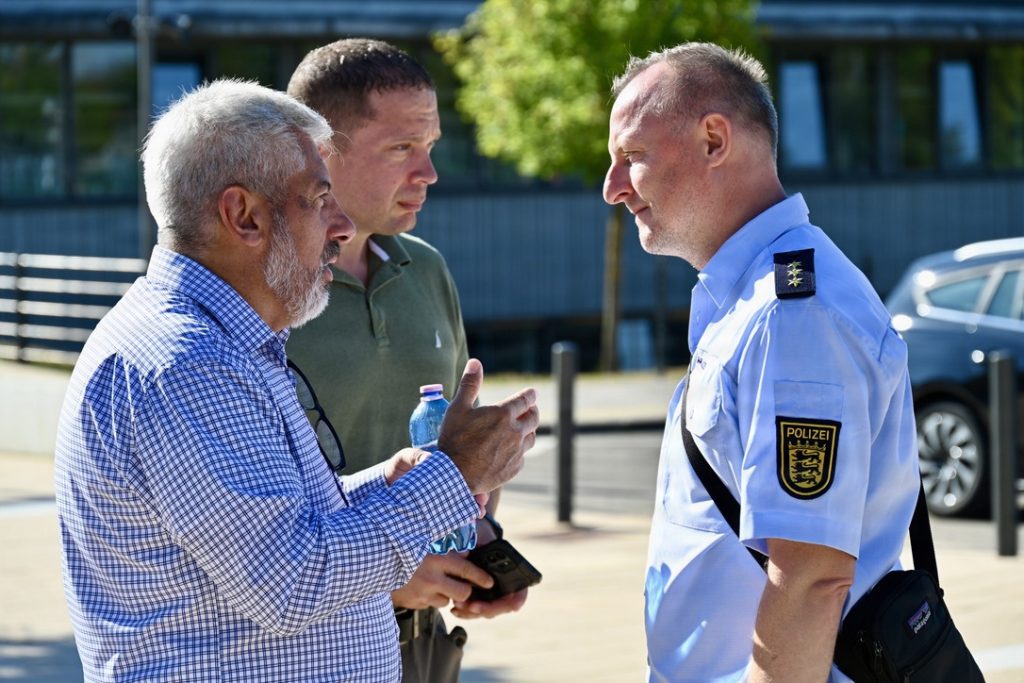
Studies in aviation psychology have shown that crew conflicts—especially between pilots and co-pilots—can arise due to differences in decision-making styles, workload distribution, or personal tensions. These conflicts may escalate under pressure, particularly during long-haul flights or in high-stress environments.
While such incidents are rare, they are not unheard of. The International Civil Aviation Organization has noted that crew conflict is one of the leading causes of in-flight emergencies, though most are resolved without incident.
Aviation safety organizations recommend regular psychological evaluations, stress management training, and clear communication protocols to reduce the risk of such events.
Limitations and Open Questions
There is no public detail about the nature of the physical altercation or the timeline of events.
It is unclear whether the incident involved a verbal dispute, a physical shove, or a more severe escalation. The absence of official statements from Flydubai or the Israeli aviation authority limits public understanding of what transpired.
It is also unclear whether the conflict was isolated to the cockpit or if it involved other crew members or passengers. No reports have emerged suggesting any passenger involvement or injury.
While the Israeli government has ruled out a hijacking, the incident raises questions about pilot mental health and in-flight safety procedures. There is no public record of similar incidents in recent years, but aviation experts caution that such events, though rare, must be taken seriously.
There is no official statement from Flydubai about the incident or the actions of its crew. This lack of transparency may fuel public speculation, especially in media environments where headlines often amplify uncertainty.
What to Watch Next
Aviation authorities may review the incident for compliance with standard emergency response protocols. This could include an audit of how the flight crew handled the emergency alert and whether communication protocols were followed.
Passenger safety reports and crew training guidelines could be reviewed in the coming days. These reviews may lead to updates in crew conflict management or in-flight de-escalation procedures.
Media coverage may expand as more details emerge from the airline or aviation regulators. Public trust in aviation safety is vital, and transparency in such incidents is essential.
Israel’s air force will likely conduct a follow-up assessment of the incident’s impact on air traffic operations. This may include evaluating the effectiveness of current alert systems and the coordination between air traffic control and national defense.
The BBC has reported that the Israeli prime minister’s office confirmed the incident was not a hijacking. This clarification is critical for maintaining public confidence in aviation safety.
For more on aviation safety, see the original report.
For broader context on air travel safety, explore aviation safety in our coverage.
For updates on international flight disruptions, check World News.
Aviation experts suggest that future training programs for flight crews should include realistic simulations of interpersonal conflict, with a focus on de-escalation techniques and communication strategies. This would help prepare crews for unexpected human interactions during flight operations.
Additionally, airlines may consider implementing more frequent psychological evaluations and mandatory stress management sessions for pilots and co-pilots, particularly for long-haul or high-pressure routes.
While the incident did not result in any harm to passengers or crew, it serves as a reminder that even routine flights can be disrupted by human factors. The aviation industry must remain vigilant in addressing both technical and human elements of flight safety.
As air travel continues to grow in frequency and complexity, especially across international corridors, the need for robust safety protocols—both technical and human—becomes increasingly critical.
Sources & further reading
Featured image: Academic City University media and creative laboratory space.jpg by Afrank4436, CC BY-SA 4.0, via Wikimedia Commons. Image source · License