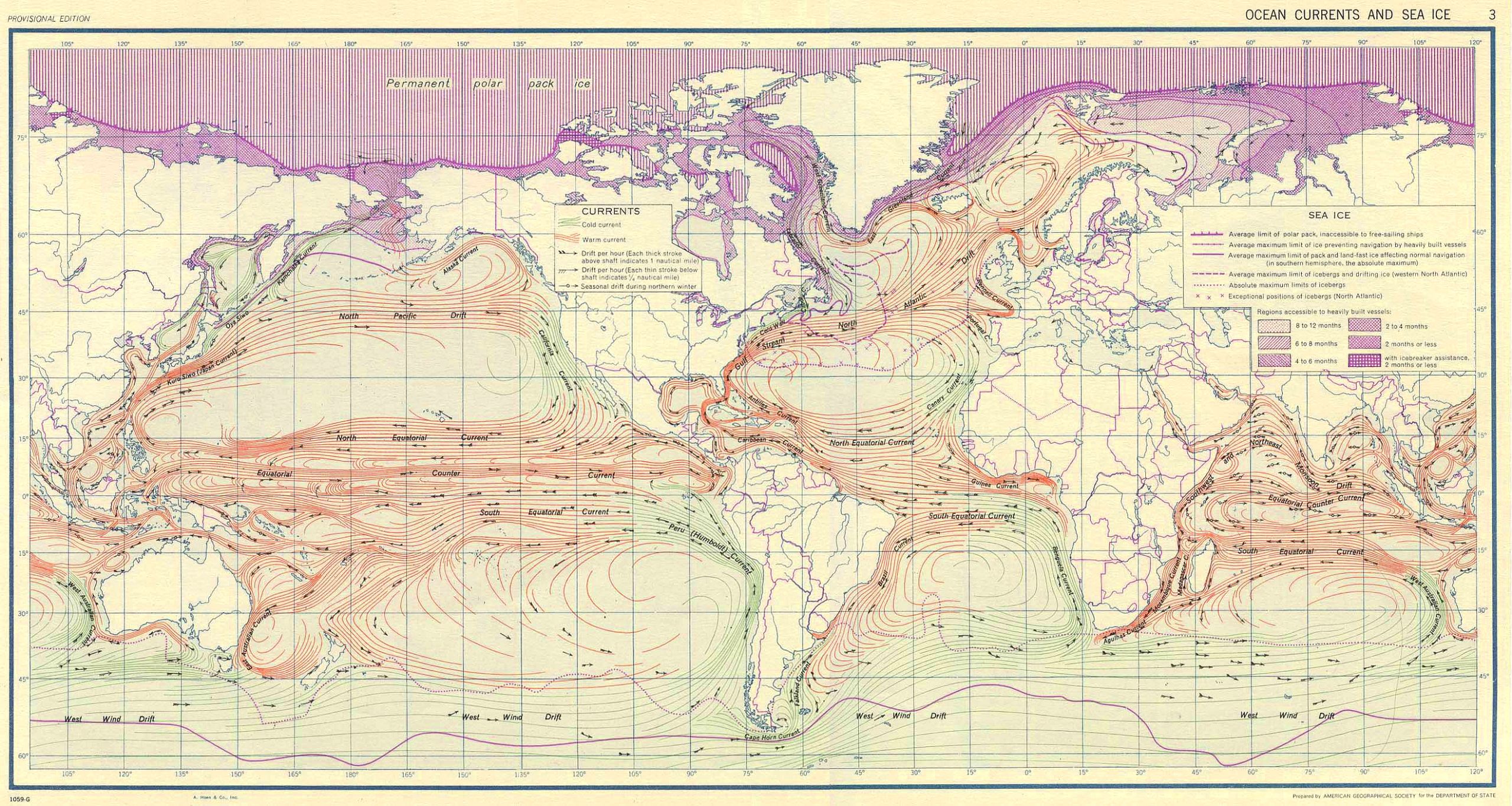
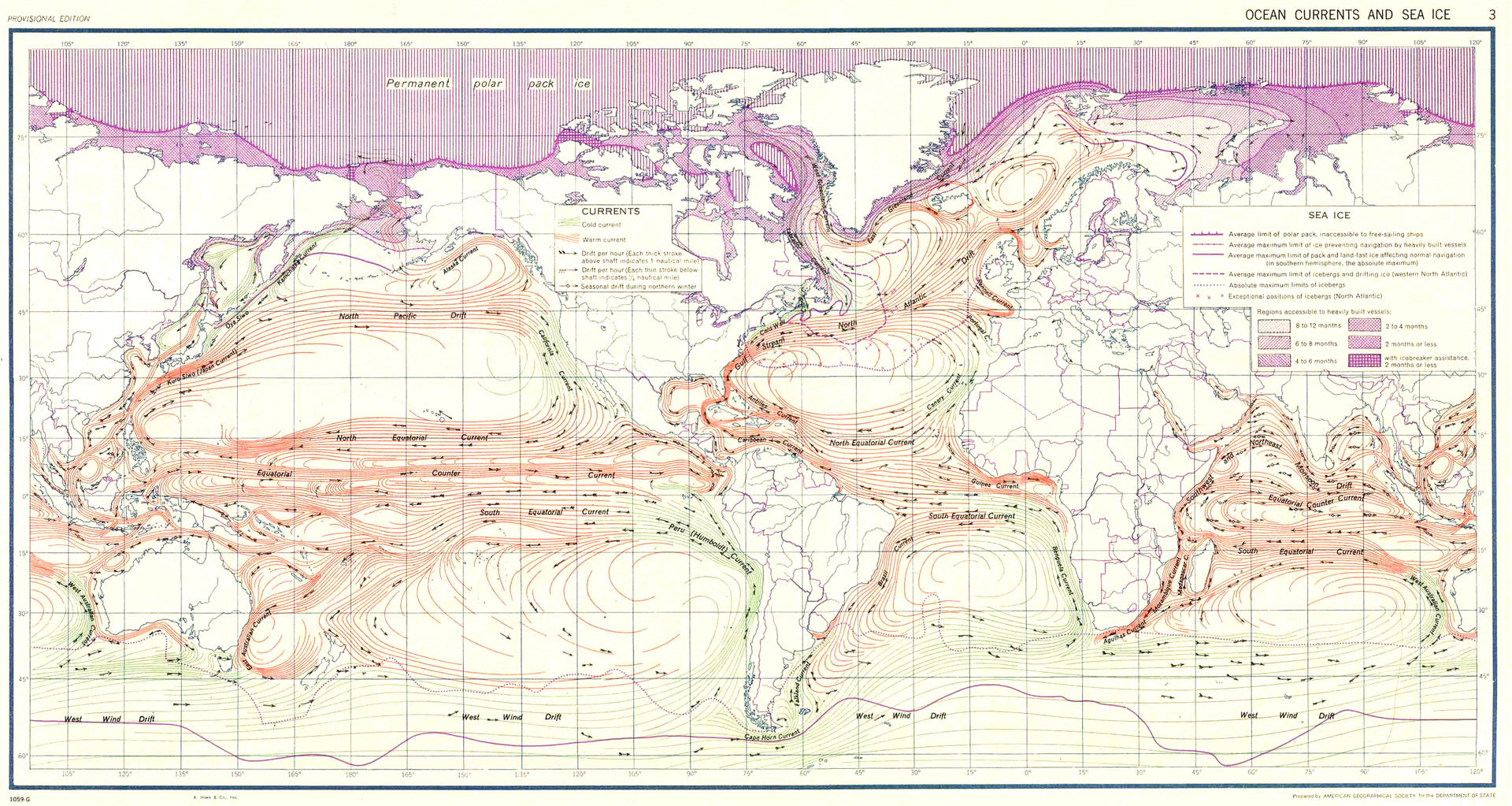
El Niño is a natural climate pattern that occurs in the eastern Pacific Ocean. It begins when surface waters warm, disrupting normal ocean currents and atmospheric conditions. Source: bbc.co.uk.
What Is El Niño?
El Niño refers to the periodic warming of sea surface temperatures in the central and eastern Pacific. This shift happens every few years.
The phenomenon was first observed by Peruvian fishermen in the 17th century. They noticed irregular weather patterns, including heavy rainfall and droughts, linked to the ocean’s temperature changes.
How Does It Work?
Normally, the Pacific Ocean has a strong east-west current. Warm water is pushed toward the western Pacific, where it cools and sinks.
During El Niño, this flow weakens. Warm water moves eastward, raising sea surface temperatures in the central and eastern Pacific. This change affects atmospheric pressure and wind patterns.
These shifts influence weather systems across the globe. For example, regions like South America may face heavy rains, while Australia and Indonesia could experience droughts.
Recent Developments
Scientists have noted that the current El Niño event shows signs of being significant. Surface temperature readings in the eastern Pacific indicate a notable rise.
Mark Maslin, Professor of Physical Geography at University College London, explained that early signs suggested a major event. By late October, the pattern had intensified, and global weather models now show widespread impacts.
Climate agencies have issued warnings about increased risks of extreme weather. These include floods, heatwaves, and disrupted rainfall patterns.
Why It Matters
El Niño affects agriculture, water supply, and food security. Farmers in regions like Peru, Indonesia, and parts of Africa may face crop failures due to erratic rainfall.
It also impacts marine ecosystems. Warmer waters can harm coral reefs and fish populations, disrupting food chains and fisheries.
For global economies, El Niño can lead to higher food prices and increased disaster response costs.
Limitations and Uncertainties
While El Niño is predictable in pattern, its intensity varies. Scientists cannot forecast exact timing or strength with full accuracy.
Some researchers note that climate change may be amplifying El Niño effects. However, this remains a topic of ongoing study and debate.
There is no direct way to counteract El Niño. Human actions cannot stop the oceanic process. Responses focus on preparedness and adaptation.
What to Watch Next
Scientists will continue monitoring the Pacific Ocean. The next phase of the event will likely unfold over the next few months.
Climate models will refine predictions. Governments and communities may adjust emergency plans based on updated forecasts.
For the public, staying informed about weather alerts is key. The BBC’s Inside Science series offers detailed coverage of these events.
El Niño is not a new phenomenon. But its growing influence, combined with climate change, makes it more impactful than ever.
Sources & further reading
Featured image: Ocean currents 1943.jpg by United States Army Service Forces, Public domain, via Wikimedia Commons. Image source