
Featured image: A wooden desk with a silver Apple iMac computer, a silver keyboard, a silver mouse, a black desk lamp, a gray mug, a small potted plant, and a stack of books. AI-generated image; not a photograph of the reported event.
Workers have long been monitored by employers. Output targets, performance reviews, and software tools like ‘bossware’ have been standard for decades. Source: theguardian.com.
AI Is Changing the Nature of Workplace Monitoring
AI is transforming these systems. It processes vast amounts of data—keyboard strokes, screen time, application usage—to generate minute-by-minute productivity reports.
These tools go beyond simple task tracking. They analyze patterns in behavior, such as when employees log in, how long they spend on tasks, and which applications they use.
Which Sectors Are Adopting AI Surveillance?
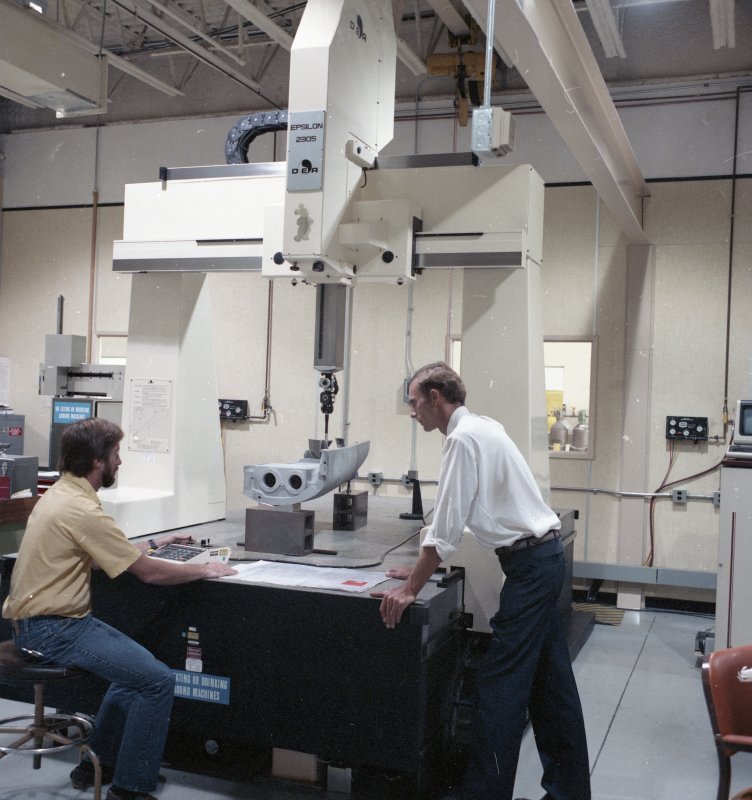
- Manufacturing: Uses AI to track machine performance and worker activity in real time.
- Call centres: Monitors employee interactions with customers to assess performance and efficiency.
- Remote work environments: Tools like screen recording and keystroke logging are increasingly used to ensure productivity.
Robert Booth, UK technology editor, explains that these practices are growing in popularity, especially in industries where output metrics are central to performance evaluation.
Why Are Employers Using AI for Monitoring?
Employers claim AI improves accountability and efficiency. They argue it helps identify bottlenecks and supports fair performance assessments.
For example, a factory may use AI to detect when a worker is idle or when a machine is underperforming. This data can inform scheduling or training decisions.
Booth notes that some companies believe AI offers a more objective view of work than traditional methods. However, he also warns that such systems may not reflect actual value or effort.
Concerns About Productivity and Trust
Experts warn that AI surveillance could backfire. Over-monitoring may reduce employee motivation and create a culture of suspicion.
One employee told Booth they felt ‘constantly watched’ after a new AI system was introduced. They reported feeling anxious and less creative.
There is growing concern that AI tools may misinterpret normal work behavior—like breaks, email checks, or personal research—as inefficiency.
Limitations and Ethical Questions
Not all AI monitoring is transparent. Some tools operate without employee consent or clear disclosure.
Booth points out that many companies do not fully explain how these systems work or what data they collect. Employees often only learn about them after being asked to sign a policy.
There is also limited legal clarity. While some countries have data protection laws, enforcement remains inconsistent. The UK’s GDPR, for instance, requires transparency and purpose limitation—but not all firms comply.
These tools may also amplify bias. If training data reflects past workplace norms, AI could reinforce outdated or unfair practices.
Booth stresses that AI surveillance is not inherently negative. But without oversight, it risks undermining trust and employee well-being.
For more on the human cost of AI monitoring, see our in-depth article on AI Surveillance at Work: How Employers Are Monitoring Employees and the Human Cost.
As AI tools evolve, the balance between productivity and privacy will remain a key issue in modern workplaces.