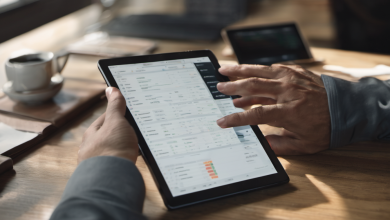
Featured image: A wooden table with a laptop, a notebook, a pen, a mug, a smartphone, and several potted plants. AI-generated image; not a photograph of the reported event.
Workers have long been watched by employers. Output targets and software known as ‘bossware’ were common tools. Now, artificial intelligence is transforming these systems.
AI Is Tracking Activity in Real Time
AI systems process vast amounts of data. They generate minute-by-minute records of employee activity and productivity. This goes beyond simple keystroke tracking.
These tools are being adopted across sectors. Education, healthcare, and manufacturing are among the early adopters. The technology claims to offer real-time performance insights.
Teachers Report Emotional Strain
At a firm linked to Euan Blair, teachers say they face ‘horrendous stress’ after AI evaluates their work. The system rates lesson plans, classroom notes, and teaching materials.
One teacher described feeling judged by a machine. They said the feedback felt impersonal and overwhelming. The emotional toll has sparked concern among staff and unions.
Reports from the Guardian detail how teachers describe the experience. The AI assessments are not just about performance. They feel like constant scrutiny.
Why Employers Are Adopting AI Monitoring
Companies claim AI improves accountability and efficiency. They argue it helps identify underperformance and supports training.
Robert Booth, UK technology editor, explains that some firms see AI as a way to standardize performance. This helps reduce bias in evaluations. It also allows for faster, data-driven decisions.
However, these benefits are not universally accepted. Critics say the systems may misinterpret effort and creativity. They may not account for context or individual differences.
Concerns About Productivity and Well-Being
Experts warn that AI monitoring could backfire. It may reduce employee morale and trust. When workers feel constantly watched, focus and innovation may suffer.
Booth notes that such systems could become counterproductive. The pressure to perform may lead to burnout. Employees might avoid taking risks or trying new methods.
There is no official policy or legal requirement mandating AI monitoring. But the trend is growing. Employers are testing these tools without broad public oversight.
What to Watch Next
More cases of AI evaluation in education and other sectors are expected. Workers may soon face broader monitoring in digital workplaces.
Organisations should consider the human impact of these tools. Transparency and employee consent remain key issues. The balance between oversight and well-being is still unresolved.
For more on AI and work, listen to the Guardian’s science podcast on this topic. Listen here.
For details on the Euan Blair firm case, see the Guardian’s report on teachers and AI. Read more.
Explore the full science podcast series on AI and society. Visit Science Pod.