Colonial Williamsburg, Virginia, once the capital of British America, now hosts one of the world’s most iconic breakfast traditions: pancakes. What began as a simple, practical meal for early settlers has evolved into a vibrant cultural phenomenon, celebrated annually with festivals, competitive eating events, and a dense network of pancake houses that dot the historic streets of the town.
What Colonists Ate for Breakfast
Before modern pancakes, colonists in Williamsburg began their days with simple, practical foods. Breakfast was not a distinct meal in the way it is today. For most people, it was a blend of yesterday’s leftovers and a small amount of fresh food, shaped by necessity and limited resources.
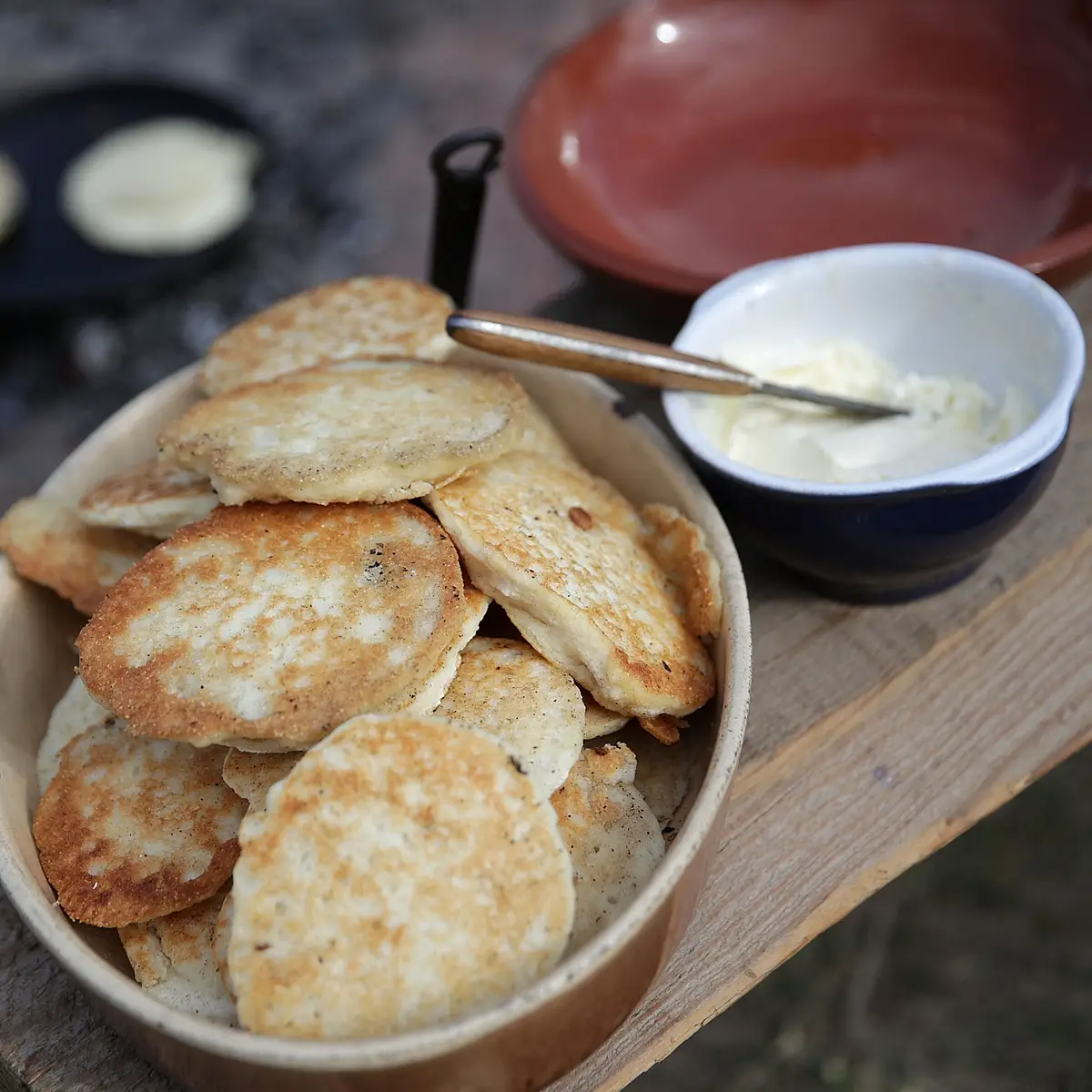
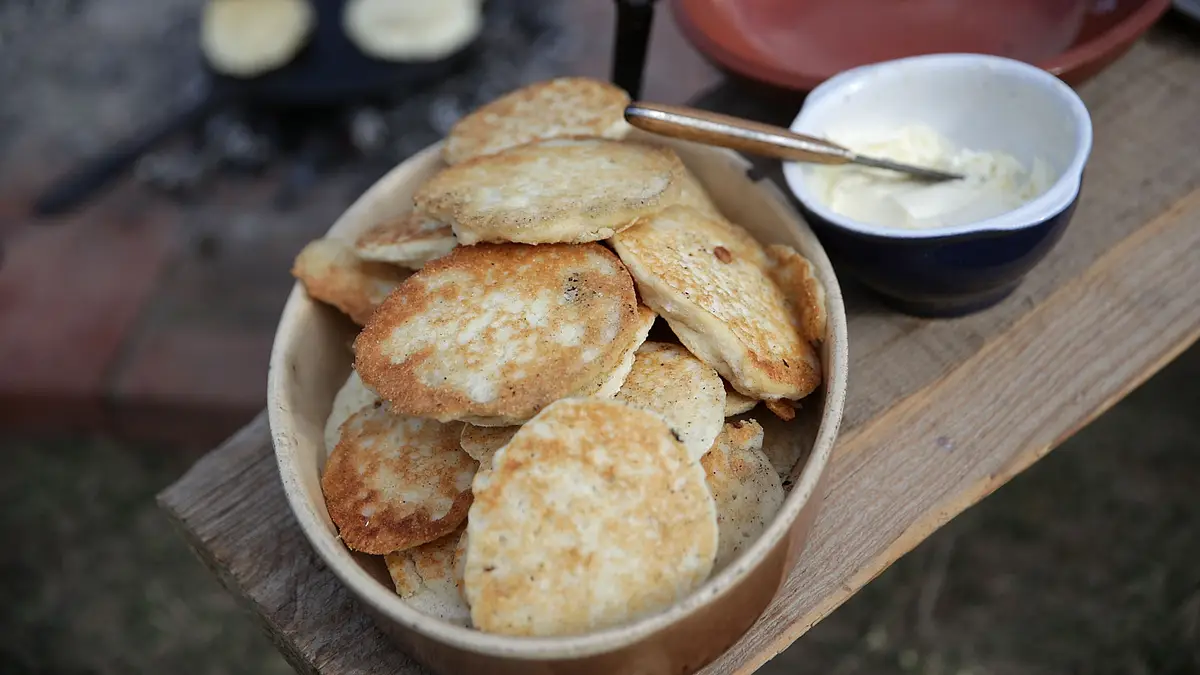
Working-class settlers and enslaved laborers made hoecakes from coarse cornmeal. These were cooked with lard on tools like garden hoes or shovels. The mixture was often seasoned with a pinch of salt and topped with molasses—a dense, nutrient-rich syrup derived from sugarcane. This method of cooking was not only efficient but also deeply rooted in Native American culinary traditions, where cornmeal was already a staple food.
These hoecakes were not only a source of sustenance but also a reflection of cultural exchange. The use of cornmeal was common because wheat was expensive and difficult to grow in early Virginia. As wheat became more accessible over time, some communities began to adopt it, but poor families continued to rely on corn due to its affordability and availability.
The Class Divide in Colonial Breakfasts
Breakfast varied significantly by social class. For the poor, breakfast was minimal and quick, often relying on what remained from the previous day’s dinner. This practice was common in rural areas and among laborers who had little time or energy to prepare a new meal.
For the elite, breakfast was more refined and structured. Wealthy men like William Byrd II often began their day with a cup of plain milk mixed with seasonal fruits such as apples, peaches, or pears. These fruits were often preserved or dried, reflecting the seasonal availability of produce in the region.
When upper-class Virginians did eat cakes, they used fine white cornmeal mixed with yeast. This mixture was set overnight to rise, giving the pancakes a light, airy texture. In the morning, they were cooked on a griddle and served with generous amounts of butter and honey. This version of the pancake was not only a treat but also a symbol of refinement and status.
George Washington, a key figure in early American history, used a version of this recipe. His hoecakes were made with yeast, cooked on a griddle, and served with butter and honey—ingredients that were both luxurious and indicative of a well-off lifestyle. Historical accounts suggest that Washington valued the ritual of breakfast, viewing it as a time to prepare for the day’s work and to reflect on the day ahead.
How Williamsburg Became the Pancake Capital
The modern pancake scene in Williamsburg began in the mid-20th century, driven by the influx of military families during World War II. As these families settled in the area, local motels lacked dining rooms, creating a demand for affordable, quick meals.
Enter Greek-American restaurateurs from Newport News, who stepped in to fill the gap. These entrepreneurs offered diner fare that was ‘Quick, easy, inexpensive, and filling,’ a menu that resonated with both military personnel and tourists. The flapjacks they served were fluffy, easy to eat, and ideal for keeping visitors full until dinner—especially important when exploring the restored colonial capital and nearby Busch Gardens.
These early diners laid the foundation for a growing breakfast culture. By the 1970s, pancake houses had become a staple of the tourism economy, with families and visitors coming to Williamsburg not just for history, but for the experience of eating a traditional American breakfast in a historic setting.
Key Pancake Houses and Their Origins
- The Jefferson Restaurant opened in 1956—among the first pancake institutions in the area. It set a precedent for how breakfast could be both accessible and part of a larger cultural experience.
- Its longevity reflects the enduring popularity of pancake culture in the region.
- Capitol Pancake House opened in 1982, adding to the growing breakfast scene. It became a popular destination for both residents and tourists.
- National Pancake House opened in 1986, followed by Colonial Pancake House in 1997. These establishments helped solidify the area’s reputation as a breakfast destination.
Today, Williamsburg has roughly one pancake house for every 1,450 residents—making it the highest per capita ratio of pancake houses in the United States. This density reflects not only the success of the local food economy but also the deep cultural integration of pancakes into daily life.
The Modern Festival and Culture
The town celebrates its pancake heritage annually with the Williamsburg Pancake Festival. This event draws thousands of visitors and features a range of activities, including pancake-eating contests, where participants attempt to consume the most pancakes in a set time—most famously, Joey Chestnut, who reportedly ate a record-breaking number of pancakes during a competition.
There is also a mascot named ‘Short Stack,’ a pancake-themed character that roams the festival grounds, adding charm and a sense of fun to the celebration. Additionally, the ‘Sausage Sprint’—a dachshund race that includes a sausage-themed twist—adds humor and a unique element to the festivities.
While modern American breakfast culture has become fast and corporate, with quick-service chains dominating urban areas, Williamsburg maintains long, leisurely mornings at its pancake houses. These traditions show how food evolved from necessity to ritual. The rise of pancakes in Williamsburg reflects both practical needs and cultural identity.
Though the food has changed, the core idea remains: breakfast is a time to gather, share, and celebrate. For visitors and residents alike, the morning in Williamsburg is still defined by one simple act—eating a pancake.
More information about the history of breakfast in colonial America can be found at Mental Floss.
Sources & further reading
Featured image: original publisher image. Via original publisher. Image source