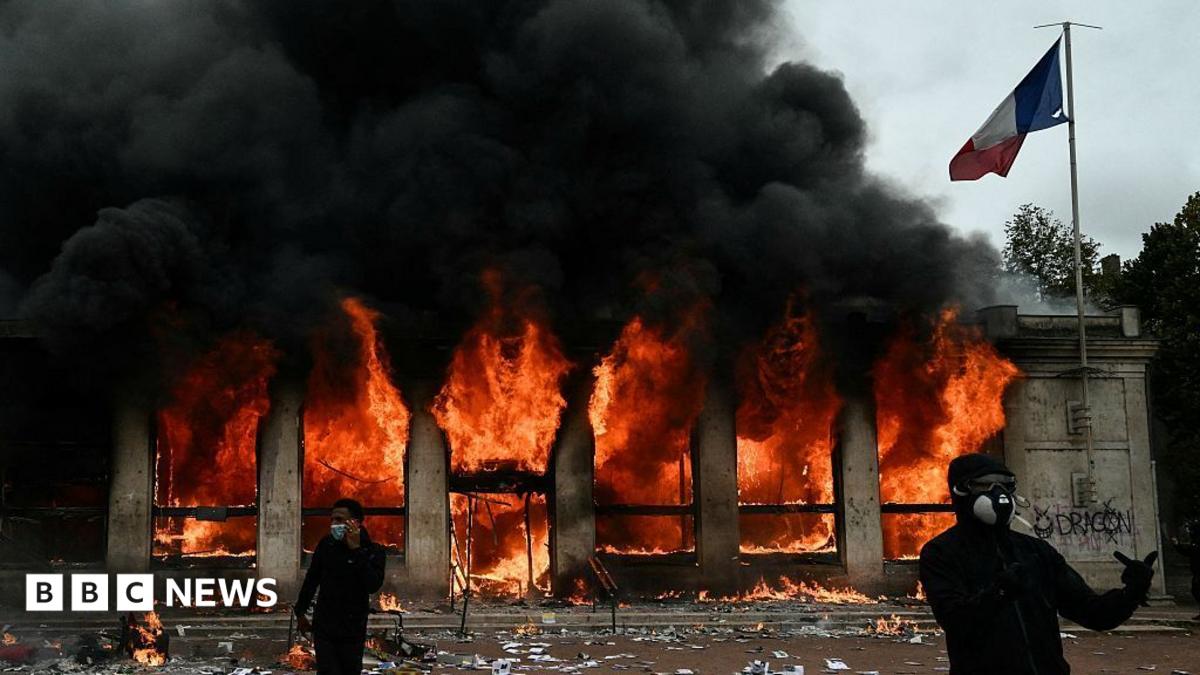
France bans protests in Marseille and Lyon amid riots Source: bbc.co.uk.
France has banned all protests in Marseille and Lyon this weekend. The ban follows violent unrest that damaged businesses and historic sites over the past weekend. The government says the decision is aimed at preventing further disorder and protecting public safety in these cities.
Protest restrictions and police response
Only union-organised protests will be allowed in areas without a full ban. All other demonstrations will be prohibited. Local prefects will offer alternative routes for union groups to ensure safety and reduce risks of clashes.
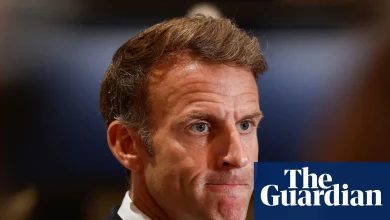
President Emmanuel Macron said far-left groups have carried out ‘political and even seditious acts’ to destabilise the Republic. He called such actions threats to national unity and public order. The government met intelligence officials and ministers on Thursday to prepare for Saturday’s national protest day.
Key facts and developments
- Public transport in Marseille will be suspended on Saturday to avoid a repeat of last weekend’s riots. The city has a history of unrest and vulnerable transit systems.
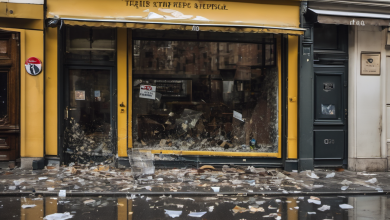
- More than 500 businesses were damaged in Marseille, including retail stores and heritage buildings. The economic toll raises concerns about recovery and local livelihoods.
- The Rhône region prefecture extended a curfew to all residents overnight on Saturday, 24 October, from 23:00 to 05:00 (21:00–03:00 GMT). The goal is to reduce youth involvement in violence and prevent unrest escalation.
- Similar curfews are in place in Nice, Toulon, Rouen, and Grenoble. This shows a coordinated national effort to manage the unrest.
- Prime Minister Sébastien Lecornu announced a ‘massive’ police deployment. However, some officers say they lack training for large, unstructured crowds. This raises questions about the readiness of the response.
- On 17 October, about 550,000 people marched over fuel prices and cost of living. The events were mostly peaceful, supported by unions, gilets jaunes, and student groups. But violence, looting, and destruction broke out during parts of the marches.
- As of Thursday, 217 people were convicted in fast-track trials. The number is expected to rise. The judicial process is moving quickly to address the scale of incidents.
- Over 1,000 people have appeared in court. Half had no prior criminal record, according to Le Figaro. This suggests many are first-time offenders.
- Two suspects were arrested in connection with the fire at Lyon’s city hall. A 66-year-old was taken on Thursday after a man in his 30s was detained on suspicion of attempted murder. Police were present during the protest when the fire started.
Damage and incidents in major cities
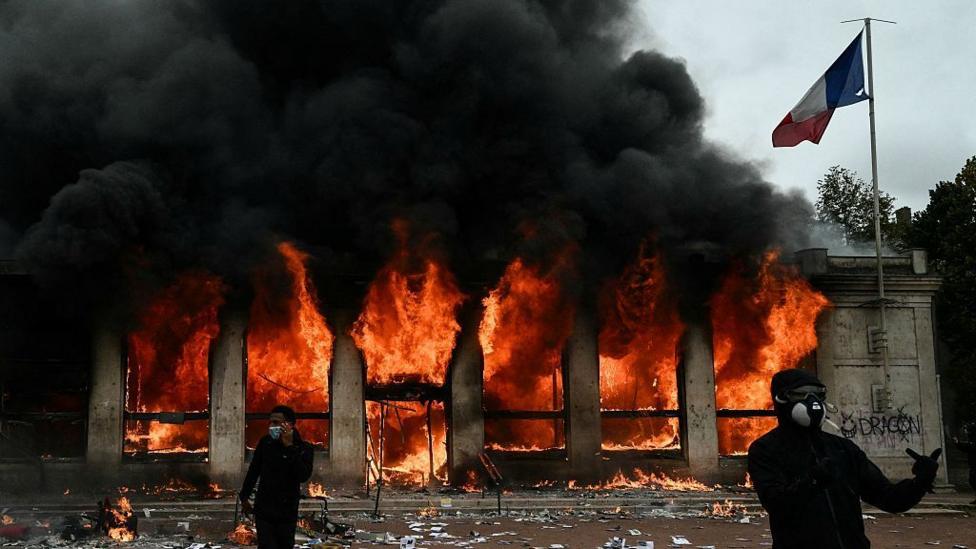
Lyon’s tourism office was set on fire during protests. In Limoges, the city’s clock tower and roof sections caught fire and collapsed on Saturday. These events show the intensity of the unrest and how public infrastructure is vulnerable.
In Paris, the Place de la République was vandalised. Rioters took over parts of the city, damaging monuments and disrupting daily life.
Background: The protests and their roots
Protests began in October over rising fuel prices and cost-of-living concerns. The gilets jaunes movement played a key role in mobilising participants. The group has long pushed for economic relief and public service reform. Its influence has shaped public debate on inflation, transport costs, and government accountability.
Government response and limitations
Interior Minister Jean-Didier Berger said police numbers will rise by 20% compared to last weekend. The government admitted it was ‘blindsided’ by the scale and speed of the unrest. While this increase is significant, concerns remain about whether current forces can manage large public gatherings without prior experience.
The unrest comes as Macron enters the final months of his presidency. Elections are set for 18 April and 1 May next year. The situation may affect public trust in the government’s ability to handle social and economic challenges.
For more on the protests in French cities, see our coverage of Paris and French cities torn by riots amid protests over cost of living.
Full details from the BBC are available at original source.
Sources & further reading
Featured image: Two demonstrators, dressed all in black and in face coverings, stand outside the Lyon tourist office which is on fire behind them. A French flag is attached to the building.. Via original publisher. Image source