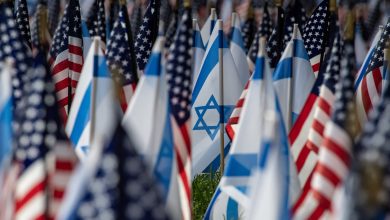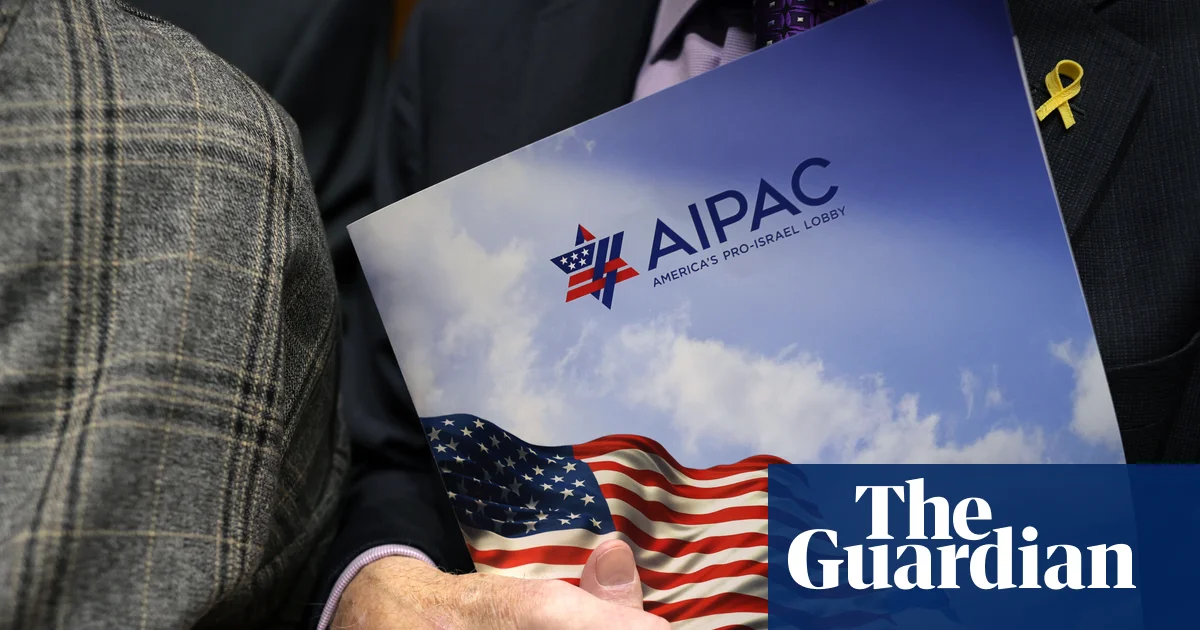
Aipac, the most influential pro-Israel lobbying group in the United States, has announced it will stop endorsing political candidates or making direct contributions to them.
What Happened
The announcement came on Wednesday. It shows that open support for Israel has become a liability in U.S. politics.
For decades, Aipac backed candidates through endorsements and direct donations. That support was once seen as near invincible.
Now, public backlash over the Gaza conflict has made such support risky. More candidates are distancing themselves from the group.
Key Facts
- Aipac has suspended direct endorsements and campaign contributions to candidates.
- The group will continue funding pro-Israel candidates through its super PAC, United Democracy Project.
- More than a dozen candidates who accepted Aipac funds have since distanced themselves from the group.
- U.S. Representative Pat Ryan of New York returned nearly $250,000 from Aipac. This is the latest of several such returns.
- Aipac claims to have supported 290 candidates in the 2026 election cycle, calling 29 of them anti-Israel.
Background: How Aipac Operated
For years, Aipac shaped U.S. elections by endorsing candidates and funneling millions in donations.
It traditionally supported Democratic candidates. Its influence was once so strong that opponents rarely challenged it.
Political analyst Trita Parsi said Aipac’s power came from a sense of invincibility. That sense has now faded.
In a letter to members, Aipac admitted the 2026 election was one of the most difficult in recent memory. It said challenges will grow in the years ahead.
The group now says it needs a more strategic, nimble, and consequential political operation. It claims the only tactic it relies on remains the most effective.
Why It Matters
Political candidates now face real risks when they accept Aipac support. Public scrutiny has increased.
Groups like TrackAipac and the Reject Aipac campaign have grown. They track and expose candidates with Aipac ties.
Journalist Dion Nissenbaum called the move the first real admission that Aipac’s strategy has backfired. It relied on visible endorsements to show influence—now that approach fails.
Hamid Bendaas of the Institute for Middle East Understanding Policy Project said the shift is a last resort. Like an animal chewing its leg off to escape a bear trap, it’s a survival move.
Aipac will still influence elections. Its super PAC continues to operate with major funding from members and donors.
The group may now shift to indirect support—like funding policy efforts or public education—without public endorsements.
What to Watch Next
How United Democracy Project funds candidates will be closely watched. More candidates may distance themselves from Aipac.
Any new developments in U.S. political financing involving pro-Israel groups will matter.
For deeper analysis, see the original source at The Guardian.
For more on Aipac’s role in U.S. politics, visit AIPAC Halts Campaign Contributions and Endorsements.
For context on U.S.-Israel relations, see Italy’s Defence Minister Warns US Support Cut Could Prolong Ukraine War.
For a campaign ad that sparked backlash, see Ohio Campaign Ad Sparks Political Backlash.
For insights from political analysts, see Waleed Shahid, Jeremy Ben-Ami, and Trita Parsi.
Sources & further reading
Featured image: original publisher image. Via original publisher. Image source