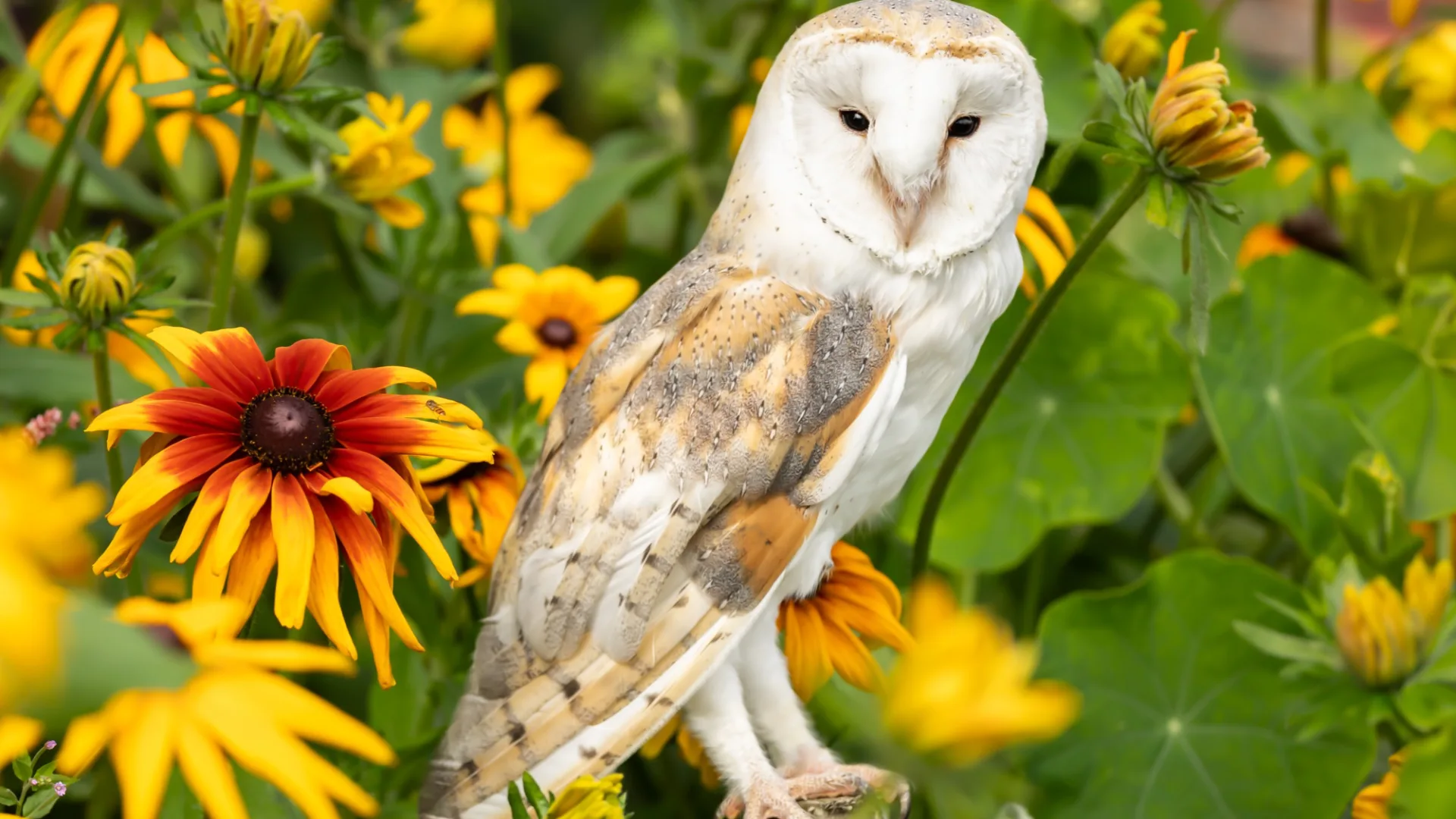
It’s so easy to turn your garden into an owl hangout — you just need five plants. Source: gardeningknowhow.com.
Spotting an owl in your backyard is a rare and magical experience. But you don’t need a sprawling estate or a forest to attract one. With a few native plants, your garden can become a welcoming habitat for these nocturnal birds.
The 5 Plants That Make an Owl Hangout
Owls rely on a healthy ecosystem to survive. They need prey like mice and voles, shelter for roosting, and trees or shrubs for perching. Creating a garden that supports this food web is key.
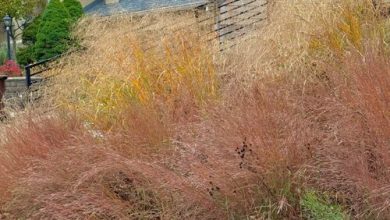
Switchgrass
Switchgrass (Panicum virgatum) is a native perennial grass that grows tall and forms dense clumps. It thrives in sunny spots with well-drained soil.
Its thick stems provide cover for small mammals — especially voles and mice — which are vital prey for many owl species. The grass also shelters wildlife during winter when other garden areas become harsher.
Once established, switchgrass requires little maintenance. It produces seedheads in late summer and fall. Leaving some stems standing over winter helps maintain habitat continuity.
It works especially well in meadow-style plantings with native wildflowers. A sunny patch of switchgrass can become a natural feature in any garden.
As one gardener noted, ‘You may just find it swiftly becomes your new favorite garden plant, let alone the best part of your owl hangout!’
Native Pines and Spruces
Evergreen trees like native pines and spruces offer year-round shelter. Their dense branches provide perches and roosting spots for owls.
Many woodland-dwelling owls, such as the barred owl, use mature trees for nesting. Some species rely on natural cavities in old trees for breeding.
While a young sapling won’t become an instant owl retreat, mature trees are essential. Preserving existing trees — especially those with hollows — is a practical step for any garden.
As a source of guidance, one expert observed, ‘Just remember that a newly planted sapling is unlikely to become an instant owl retreat, though, so it’s always better to preserve mature trees where you can!’
Eastern White Pine, for example, is a popular choice. It grows well in a range of soils and offers both structure and habitat value.
Blackberry Brambles
Blackberry brambles (Rubus spp.) are often seen as wild or untamed. But they offer dense cover for small animals and birds.
These thickets support the small mammals that owls feed on. They also provide food and shelter for other wildlife.
Planting a small patch — such as Baby Cakes® Blackberry Bush — along a garden boundary or in a wildlife border adds value without taking over the space.
Be mindful: blackberries spread quickly. Keep them away from walkways and regularly used paths to avoid disruption.
One gardener shared, ‘A slightly wild patch of blackberry brambles might not be everyone’s idea of a perfectly manicured garden, but it’s a genius addition to anyone hoping to turn their yard into an owl hangout.’
Serviceberry
Serviceberry (Amelanchier spp.) is a native shrub or small tree that blooms in spring with white flowers, followed by summer berries.
These berries are eaten by birds and other animals. The plant also supports pollinators and offers woody cover, helping build a diverse habitat.
Its value goes beyond berries. By supporting insects and small animals, it helps create a food web that owls depend on.
As one source put it, ‘Its value doesn’t stop with the berries; serviceberry also supports insects and provides useful woody cover, helping to create a more diverse backyard habitat.’
Serviceberry is both functional and attractive. It adds beauty to a garden while serving ecological purposes.
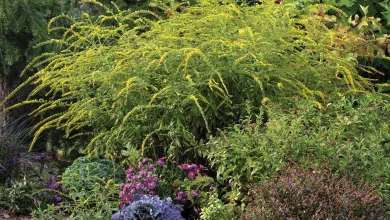
Goldenrod
Goldenrod (Solidago spp.) is often overlooked. But its bright yellow flowers bloom in late summer and fall, providing nectar for bees and butterflies.
These insects are part of the food chain. Some smaller owl species eat large insects, making goldenrod a valuable addition to an owl-friendly garden.
Native varieties are common in North America and grow well once established. They require minimal care and add vibrant color to the garden in late season.
As a recommended variety, one source noted, ‘Something like the Fireworks Solidago (Goldenrod) Plant from Burpee is a great way to go!’
Goldenrod’s flowering period occurs during a time when many other plants have finished blooming. This late-season nectar availability is critical for sustaining insect populations through autumn, when food sources diminish. Without such plants, insect numbers drop sharply, reducing the availability of prey for small owls that rely on insects as part of their diet.
Bonus Plants for a Wildlife-Friendly Garden
These five plants are a strong foundation. But more native species can enhance the habitat.
- Viburnums produce berries that feed birds and offer dense cover.
- Native dogwoods provide flowers, berries, and shelter — and are increasingly favored over magnolias for their ecological benefits.
- Junipers offer year-round cover and berry-like cones that small mammals and birds enjoy.
- Purple coneflowers attract pollinators and produce seedheads that feed birds and other creatures.
Each of these adds to the complexity and resilience of the ecosystem, supporting a wider range of wildlife.
How to Make Your Garden More Owl-Friendly
Planting is just the start. Other actions support owl presence.
- Leave some areas of longer grass or natural vegetation. Tidying every corner can reduce habitat value.
- Preserve mature trees, especially those with natural cavities. These are critical for nesting.
- Consider a species-appropriate owl nest box. This can be a helpful addition, especially in areas where natural nesting sites are rare.
It’s important to avoid rodenticides. Owls may eat poisoned mice or rats, which can lead to poisoning. Rodent poison should be avoided entirely.
Keep artificial lighting to a minimum after sunset. Bright lights can confuse nocturnal birds and disrupt their natural behaviors.
Owls need peace. Avoid disturbing potential roosting or nesting areas, especially during breeding season.
As Kayleigh Dray, Content Editor at Gardening Know How, notes: ‘You might not spot an owl straight away, but by planting for wildlife and allowing your garden to become a little more natural, you’ll be creating a much richer habitat for all sorts of visitors.’
Kayleigh, with over a decade in media, has a deep interest in wildlife-friendly gardening. She recently canceled weekend plans to build a mini pond after her toddler found a frog in a water barrel. Her garden now features pollinator-friendly blooms, homemade feeders, and old logs for insects.
For more on seasonal gardening, visit our Complete Gardening Guide.
Learn more about attracting owls with native plants at gardeningknowhow.com.
Explore how to build owl boxes at gardeningknow- how.com.
For a broader view of wildlife gardens, see how to create a wildlife garden.
While owls may not appear overnight, a garden that supports small animals and insects will naturally attract them over time.
Sources & further reading
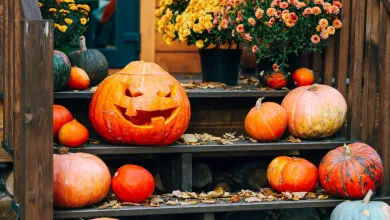
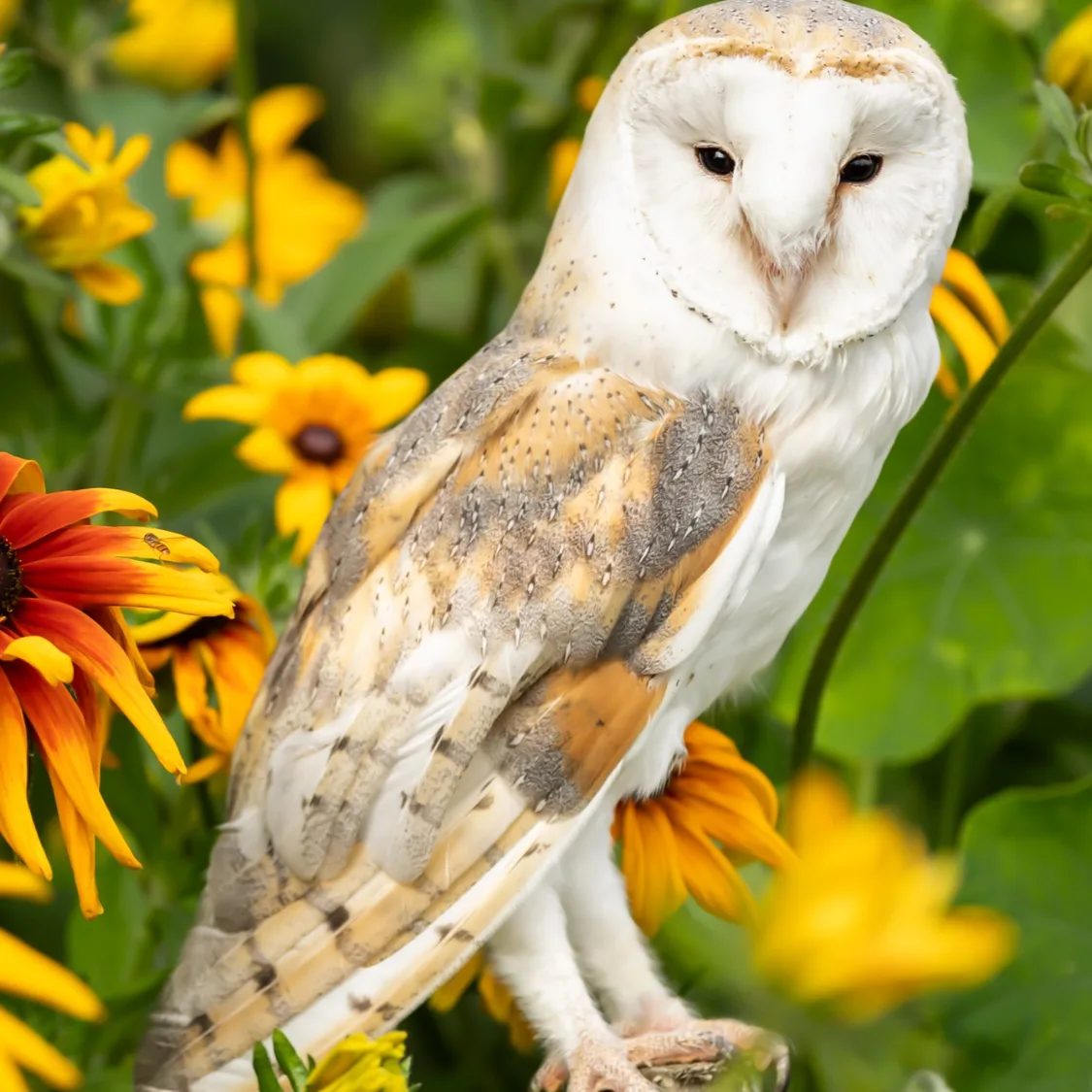
Featured image: Close up of an adult Barn Owl, perched on a post with colourful daisies and facing front. Via original publisher. Image source