Drought-Tolerant Perennials for Mid-Atlantic Gardens offers practical, experience-based guidance on plants that thrive in dry conditions. The article, written by Ed Lyon, a retired horticulturist with 25 years of public garden experience, focuses on three perennials that perform well in the region’s climate. Source: finegardening.com.
Butterfly Weed: A Compact Milkweed Alternative
Butterfly weed (Asclepias tuberosa) is highlighted as a resilient, drought-tolerant perennial. It grows 12 to 30 inches tall and spreads 12 to 18 inches wide. It requires full sun and well-drained soil, with dry to moderately moist conditions.
Lyon notes that while common milkweed is widely promoted for monarch butterflies, it spreads aggressively through rhizomes and seed. Butterfly weed offers a more manageable alternative with a mounding habit and vibrant orange flowers.
He shares a personal observation from a gravel garden in Wilmington, Delaware, where orange and yellow butterfly weed varieties grew together, producing seedlings with varied colors. This suggests natural variation and adaptability.
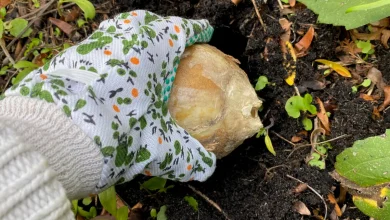
As a prairie plant, butterfly weed relies on long, tuberous roots to survive dry periods. These roots mean it is best planted in a permanent location. Lyon emphasizes patience during establishment, noting it may take time to show full vigor but can live for many years.
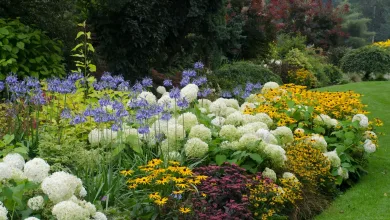
Its value extends beyond pollinators. The plant’s visual appeal—especially when paired with white flowers—makes it a strong choice for garden design.
Lesser Calamint: A Hardy, Low-Maintenance Perennial
Lesser calamint (Calamintha nepeta) is described as one of Lyon’s favorite perennials. It grows 12 to 18 inches tall and wide, thriving in full sun with well-drained soil.
Lyon credits Roy Diblik of Northwind Perennial Farm for introducing lesser calamint to gardeners in the Madison, Wisconsin, area. After seeing its performance, he and other horticulturists began growing it themselves.
The plant produces dense clusters of tiny white flowers that resemble baby’s breath. Its rounded habit complements larger-leaved or coarser plants when mixed in garden compositions.
Lyon reports that lesser calamint performs exceptionally in difficult roadside plantings. It is resistant to drought once established, though excess moisture must be avoided.
Concerns about seed dispersal are addressed: Lyon says he has never found lesser calamint problematic. Any seedlings are easy to identify and remove. It is reliable, visually pleasing, and integrates well with other plants.
Barrenwort: Thriving in Dry Shade
Barrenwort (Epimedium grandiflorum) is presented as a counterexample to the belief that drought-tolerant plants require deep roots. Its root system is shallow and fibrous, forming a flat mat.
Lyon recalls attending an American Public Gardens Association conference in Toronto during a severe drought. At a garden visit, most perennials had wilted. In contrast, the epimedium foliage appeared well-watered.
This observation has stayed with him and underscores the plant’s resilience. Not all epimediums are equally drought-tolerant, but many selections perform well in dry shade once established.
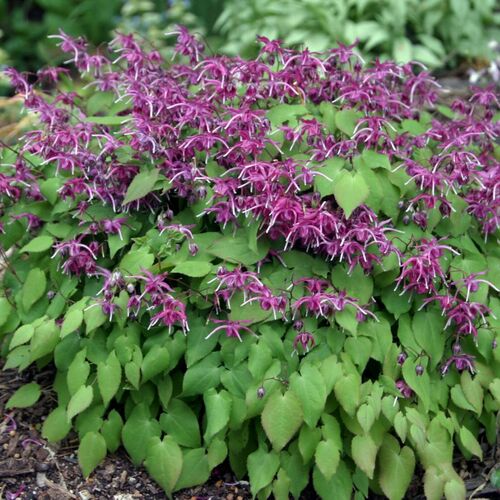
He recommends ‘Lilafee’ (Epimedium grandiflorum ‘Lilafee’) as a standout. It is vigorous and features purple flowers that resemble delicate fairies hovering above foliage. Lyon says such flowers encourage gardeners to slow down and appreciate their surroundings.
Barrenwort is especially useful in woodland gardens or beneath trees. It serves as an effective ground cover in shaded areas where moisture is limited.
Cost is a concern: Lyon notes that epimediums can be expensive. His advice is to buy a few each year rather than waiting for a large purchase. Over time, a small planting can grow into a significant, attractive feature.
Barrenwort is particularly well-suited to dry shade environments because it can thrive in low-light conditions where other perennials may struggle. Its leaves are broad and slightly waxy, which helps reduce water loss through transpiration. The plant’s foliage is also dense and forms a mat that helps suppress weeds and retain soil moisture.
While the plant is not as drought-tolerant as some species in extremely arid conditions, it performs admirably in the Mid-Atlantic’s typical dry shade zones, especially when planted in well-drained, loamy soils. It is most effective when used in combination with other shade-tolerant plants that share similar moisture and light requirements.
During the first year of establishment, barrenwort may show slow growth and minimal flowering. This is due to the plant’s need to develop a robust root mat that will allow it to access nutrients and moisture from the soil. After this initial phase, it becomes more resilient and can withstand dry periods without significant stress.
It is important to ensure that the soil is not overly compacted or waterlogged, as this can inhibit root development and lead to poor performance. A layer of organic mulch can help retain soil moisture and protect the roots from temperature fluctuations.
Why These Plants Matter in Mid-Atlantic Gardens
The Mid-Atlantic region faces increasing climate variability, including longer dry spells. These perennials offer gardeners practical solutions that reduce water dependency without sacrificing beauty.
Each plant is suited to specific conditions: full sun, dry shade, or well-drained soil. This diversity allows gardeners to adapt their choices to different garden zones.
By selecting plants with shallow root systems, gardeners can avoid over-reliance on deep-rooted species. This shift supports more sustainable, resilient landscaping.
Lyon’s experience in public gardens—most recently at Reiman Gardens in Iowa—adds credibility to his recommendations. His background in both design and field practice informs the article’s practical tone.
These perennials represent a shift in horticultural thinking—from relying on deep roots to valuing plant form, adaptability, and garden context.
They offer gardeners a way to maintain beauty without excessive water use, aligning with broader environmental goals.
While the article focuses on three species, it emphasizes that drought tolerance is not solely about root depth. It is also about plant habit, growth conditions, and long-term performance.
Butterfly weed, lesser calamint, and barrenwort each demonstrate different strategies for surviving dry conditions. Butterfly weed relies on deep tuberous roots to access moisture, while lesser calamint uses a shallow, surface-rooted system to absorb moisture from the topsoil. Barrenwort, despite having a shallow root system, maintains vigor in shaded areas due to its efficient leaf structure and low transpiration rate.
These plants are especially valuable in the Mid-Atlantic, where gardeners often face challenges such as variable rainfall, seasonal heat, and increasing temperatures due to climate change. By incorporating these species into their designs, gardeners can build more resilient, self-sustaining landscapes that require less irrigation and maintenance.
Each plant also contributes to ecological balance. Butterfly weed supports monarch butterfly populations, lesser calamint attracts pollinators like bees and hoverflies, and barrenwort provides habitat and food for native insects and birds in shaded areas.
For gardeners looking to build water-wise landscapes, these perennials serve as foundational choices. They can be combined with other drought-tolerant species to create layered, diverse plant communities that support biodiversity and reduce water consumption.
Long-term performance data suggests that once established, these perennials require minimal intervention. This reduces the need for frequent watering, fertilizing, or pest control, making them ideal for sustainable, low-maintenance gardens.
As climate conditions shift, more research will be needed on how these perennials perform under prolonged drought. Long-term studies on plant survival and soil health could offer deeper insights.
Further work may explore how combinations of these perennials interact in mixed plantings. For example, pairing butterfly weed with lesser calamint could create dynamic, low-water gardens.
For more on drought-tolerant plant communities, readers are directed to a podcast episode titled Plants for Drought. The article also links to related topics such as water-wise tips, shrubs, and dry shade solutions.
Additional resources include a soil moisture meter and bird food products, though these are promotional links. The article does not endorse them as essential tools.
Ed Lyon’s personal experience and field observations form the foundation of the article. His background as a public garden director lends authority to the recommendations.
Readers are invited to discuss the article or ask questions on the Gardening Answers forum. The piece is part of a broader series on Mid-Atlantic regional gardening.
For more on naturalistic garden design and resilient plant communities, see the book Planting in a Post-Wild World by Thomas Rainer and Claudia West.
Sources & further reading
Featured image: THUMBNAIL-1×1. Via original publisher. Image source