Orchid leaves drooping is a common sign that something is wrong with your plant. It can be distressing to see a vibrant orchid lose its firmness and vitality. But the issue is usually not catastrophic. With a few simple checks, you can often identify and fix the cause.
Orchid Basics: What to Know First
There are thousands of orchid species worldwide. Most popular in homes are Phalaenopsis (moth orchids) and Cypripedium (lady’s slipper orchids). These varieties are widely available in nurseries, garden centers, and online retailers, and are favored for their elegant, long-lasting blooms and relatively low maintenance once established.
Successful orchid care depends on balancing moisture, light, temperature, humidity, and air circulation. These plants are adapted to tropical and subtropical environments, so they thrive best under conditions that mimic their natural habitats. Unlike many houseplants, orchids do not require frequent watering or soil-based root systems. Instead, they rely on a specialized growing medium that allows for good airflow and moisture retention without waterlogging.
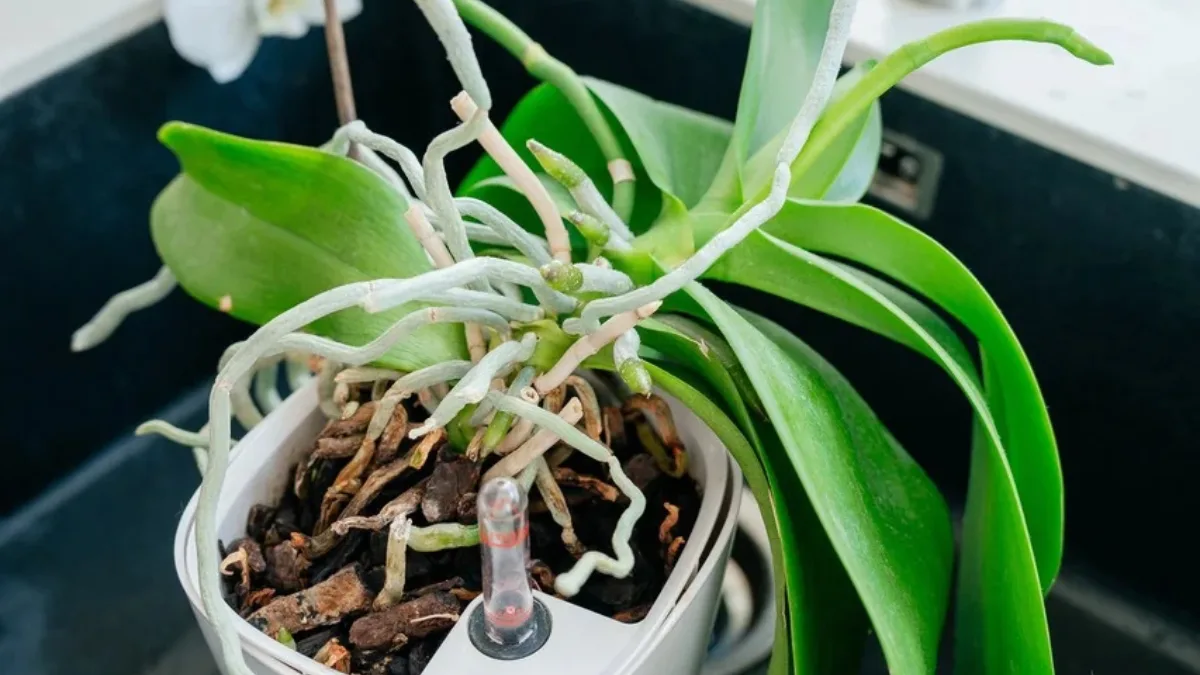
Roots are key indicators of health. Healthy roots are bright white to creamy yellow or pale green, indicating active metabolism and nutrient uptake. When roots turn brown, mushy, or emit a foul odor, it is a clear sign of root rot—often caused by overwatering or poor drainage. In such cases, the plant may begin to droop as it struggles to absorb nutrients and water.
Watering Woes: Too Much or Too Little
Overwatering is a leading cause of drooping. Excess moisture leads to root rot. Signs include soft, wrinkled leaves and brown, mushy roots. This condition develops when water remains in the pot for extended periods, especially in poorly draining containers. The roots, which are typically delicate and fibrous, begin to decay, impairing the plant’s ability to take up water and nutrients.
Underwatering also causes drooping. Leaves may shrivel or feel featherlight when handled. This occurs when the plant is not receiving enough moisture to maintain turgor pressure—the internal pressure that keeps plant cells firm and upright. In dry conditions, the plant conserves water by reducing leaf expansion, which results in drooping and a loss of structural integrity.
Orchids don’t need frequent watering. Inconsistent watering—long dry spells followed by heavy drenches—mimics wild conditions where roots get brief rain and dry air. This stress can trigger leaf droop. In nature, orchids grow in environments with seasonal rainfall and dry periods, so their roots are adapted to absorb moisture quickly and then enter a dormant phase during dry spells.
For most indoor orchids, watering every couple of weeks is sufficient. A simple method: place the pot in a sink and spray room-temperature water until it drains from the bottom. Repeat once. Let the plant sit for -than 10 minutes to allow roots to absorb moisture before returning it to its usual spot. This method ensures even hydration without saturating the growing medium.
Lighting Mistakes: Too Much or Too Little Sun
Orchids naturally grow under bright, filtered light—not direct sunlight. In their native habitats, they grow beneath tree canopies or in shaded forest areas where dappled light is abundant. This environment provides the ideal balance of light intensity and duration for photosynthesis without damaging plant tissues.
Too much direct sunlight can cause leaf tips to turn brown or burned. This happens because intense UV radiation damages chlorophyll and cell membranes, leading to tissue necrosis. If an orchid is placed near a south-facing window or under a bright overhead light, especially during peak sun hours, the leaves may begin to curl, darken, and droop as a protective response.
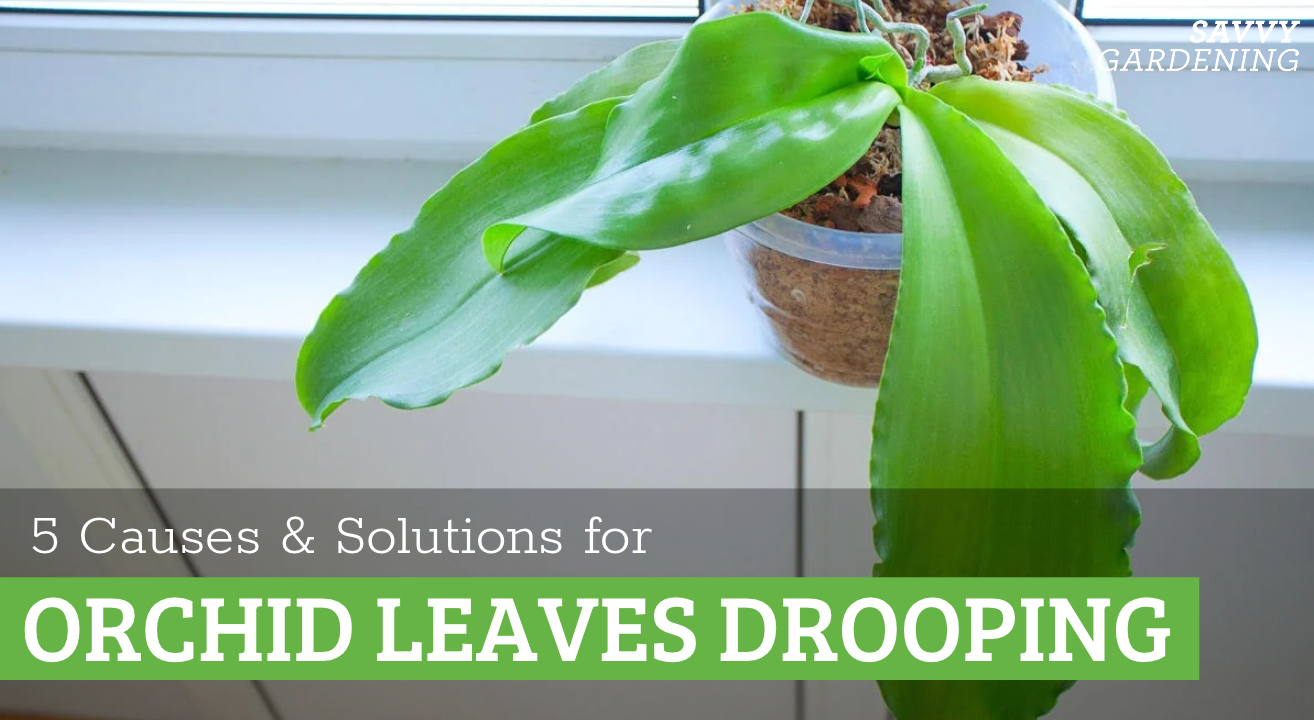
Insufficient light causes leaves to droop, soften, and turn dark green. Orchids need at least six hours of bright, indirect light daily. Without this, they may ramp up chlorophyll production to compensate, which can lead to leaf elongation and a weakened structure. In low-light environments, the plant may also exhibit slower growth and reduced flowering.
Try north-facing windows or add sheer curtains to filter light. These solutions provide the right intensity without the risk of scorching. If natural light is inadequate, a grow light with a full-spectrum LED can supplement.
Temperature, Humidity, and Air Quality
This temperature range supports metabolic activity and helps prevent stress-related leaf drooping. Orchids are sensitive to sudden shifts in temperature, especially when transitioning between indoor and outdoor environments.
Placing an orchid near a heat vent or drafty window can disrupt this balance and cause stress. For example, a plant near a heater may experience overheating, while one in a cold draft may suffer from chilling injury. These fluctuations can weaken the plant’s physiological functions and lead to leaf softening and drooping.
Orchids are fairly adaptable, but dry air can contribute to leaf softness. In dry indoor environments—especially during winter months—air conditioning and heating systems reduce humidity. Using a humidifier or placing a water-filled container nearby can help maintain optimal moisture levels.
Harsh chemical cleaners or new plastics can release volatile organic compounds (VOCs). These fumes can harm orchids, which are sensitive to air quality. Make sure the air in your home is clean and well-circulated. Regular ventilation and avoiding strong chemical products near plants are essential.
Pests and Pathogens
Fungal and bacterial infections often start with small, rounded spots on leaves. These grow into large brown or black necrotic patches. The infection spreads through spores or water, especially when leaves remain damp for long periods. Early detection is critical—once the disease progresses, recovery becomes difficult.
If caught early, the problem can be managed. Remove affected leaves with sterilized scissors to prevent spread. Repot the plant in fresh, sterile medium to eliminate pathogens. Improve airflow around the plant to reduce humidity, which inhibits fungal growth. Avoid letting water pool on leaves, especially after watering.
Aphids are among the most common pests. They leave yellow stippling and sticky residue (honeydew) on leaves, and are often found on new growth or leaf joints. These pests feed on plant sap, weakening the plant and impairing nutrient transport. Small infestations can be removed by hand, but larger ones may require insecticidal soap or neem oil.
Outdoor orchids are more at risk of pests and diseases. Indoor plants are safer if kept away from other outdoor plants. Regular inspection—especially during seasonal transitions—can help catch issues before they escalate.
Repotting and Fertilizing
Orchid pots should be only slightly larger than the root ball. A pot that is too large can retain excess moisture, increasing the risk of root rot. A mix of orchid bark, perlite, lava rock, or charcoal works best. These materials provide excellent aeration and drainage while retaining enough moisture for root health.
During repotting, trim any brown or mushy roots. This prevents disease spread and supports new growth. When repotting, handle the roots gently to avoid damage. After repotting, allow the plant a few days to adjust before resuming regular care routines.
Fertilization is essential. Use a mild orchid fertilizer during three out of every four waterings. On the fourth watering, use plain water to flush excess salts. Over-fertilization can lead to salt buildup in the growing medium, which damages root tissue and causes leaf yellowing or drooping. A balanced, low-nitrogen fertilizer is recommended, applied at half the recommended strength.
Regular feeding helps maintain leaf firmness and overall plant health. Orchids do not require heavy feeding, but consistent, light nutrition supports flowering and structural integrity.
Why This Matters
Orchid leaves drooping is a visible signal of imbalance. It doesn’t mean the plant is dead. With accurate diagnosis and consistent care, recovery is possible. The drooping is often a response to environmental stress, not a sign of irreversible damage.
Understanding the root causes—whether water, light, or temperature—allows gardeners to adjust conditions effectively. This helps maintain long-term plant health and bloom cycles. For example, a plant that has been overwatered can recover with proper drainage and reduced watering frequency, while one in low light may respond to supplemental grow lights.
Proper care isn’t about perfection. It’s about consistency and observation. Small changes in routine—like adjusting the potting medium or moving the plant to a sunnier spot—can make a big difference. Keeping a care journal or noting daily observations helps track progress and identify patterns.
What to Watch Next
As more people grow orchids at home, awareness of common issues grows. Future articles will cover similar problems in other houseplants, such as yellowing snake plant leaves or aloe vera repotting.
For more on houseplant care, see our guide on orchid leaves drooping and other plant troubleshooting topics.
Explore more plant care tips in our Savvy Gardening collection.
Sources & further reading
Featured image: Orchid leaves drooping: causes and solutions. Via original publisher. Image source