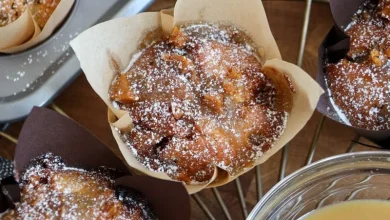
Sam Merritt shares a detailed recipe for pecan tassies—mini pecan pies designed for holiday gatherings. The dish combines a buttery, tender crust with a rich, nutty filling, offering a party-ready dessert that’s easy to prepare and serve.
What Are Pecan Tassies?
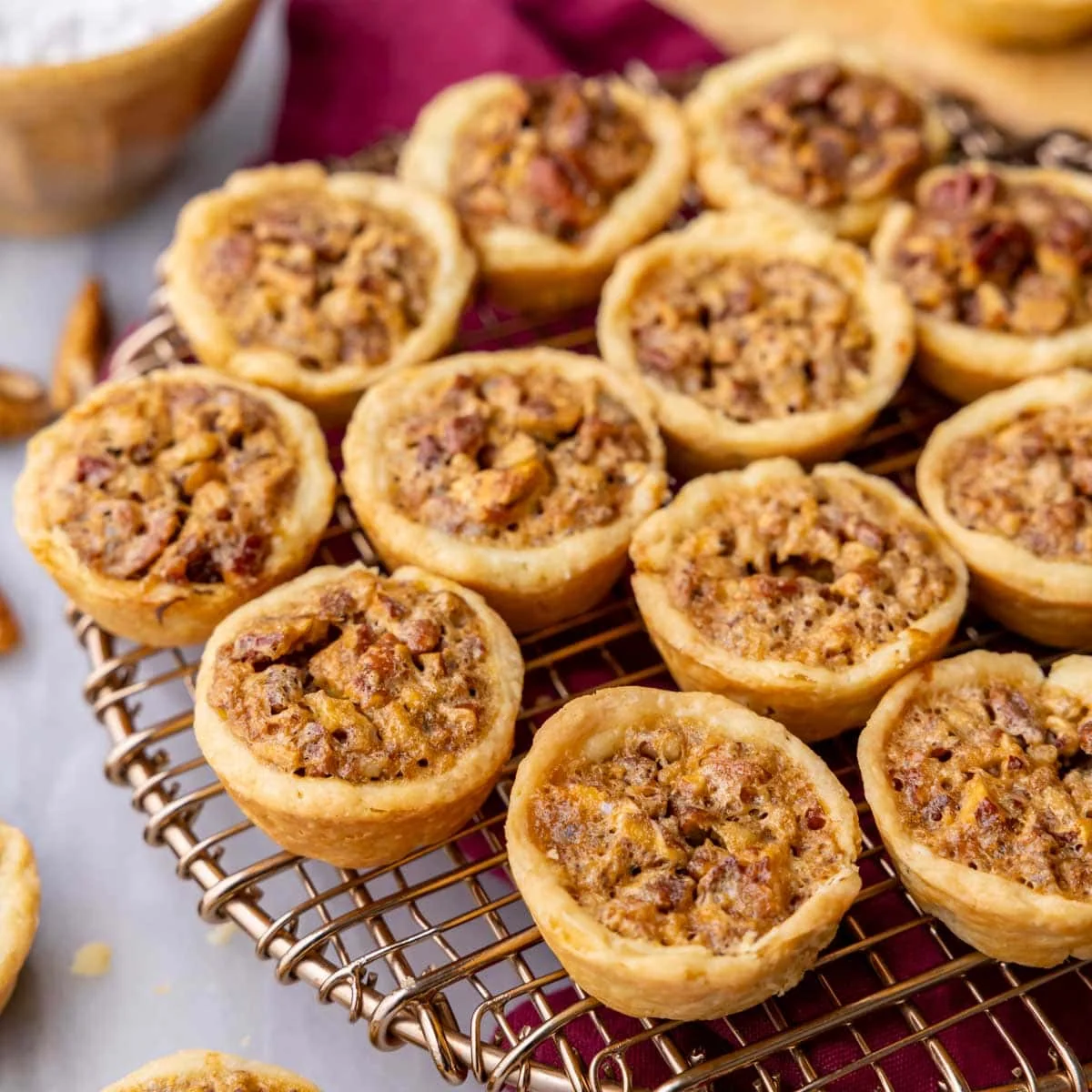
Pecan tassies are small, cup-shaped desserts made to resemble mini pecan pies. They are not the same as pecan pie cookies. Instead, they are a scaled-down version of a traditional pecan pie, designed for serving in small portions and ideal for parties or cookie trays.
The name comes from the Scottish word ‘tassie,’ meaning a small cup. This fits well with their form—compact, bite-sized, and designed for serving in groups. The term ‘tassie’ was historically used in Scottish and British households to describe small, shallow dishes or cups, often used for tea or afternoon treats. This historical context helps explain why the dessert has retained its name despite evolving into a modern baking tradition.
Key Ingredients and Their Roles
- Butter and cream cheese: Form the base of the crust. A small amount of cream cheese adds depth and helps create a tender, crisp texture. The cream cheese contributes to the dough’s stability and prevents it from becoming too soft or crumbly. Sam Merritt emphasizes that block-style cream cheese is essential—tub-style varieties often contain additives that can interfere with the dough’s structure and texture. The cream cheese also adds a subtle, slightly tangy note that balances the sweetness of the filling.
- Flour: Provides structure. Proper measurement is critical to avoid a dry or crumbly crust. Sam Merritt notes that many bakers make the mistake of using a cup measure without leveling, which can lead to inconsistent results. He recommends using a spoon and level to ensure accurate measurements, especially when working with delicate doughs like this one.
- Pecans: The filling includes toasted pecans for best flavor. Untoasted pecans can be used, though they may lack the depth of taste. Toasting enhances the nutty aroma and brings out the natural oils in the pecans, which contribute to a more complex flavor profile. Sam Merritt explains that if you haven’t toasted nuts before, there’s a simple tutorial available that walks through the process step-by-step—using a dry pan over medium heat, stirring frequently to prevent burning.
- Sugar, egg, corn syrup, vanilla, and salt: Combine to form the filling. The sweetness and moisture balance the nutty flavor. The egg acts as a binder and helps the filling hold its shape during baking. Sugar provides the sweetness, while corn syrup contributes to the filling’s texture—keeping it moist and preventing it from drying out too quickly.
- Dark corn syrup (optional): Adds fudginess and depth. It enhances the texture and flavor, making the filling more like traditional pecan pie. Sam Merritt notes that while dark corn syrup is the most effective addition, it is not mandatory. The recipe was tested with no syrup at all, and the result was still enjoyable—though the texture was slightly less fudgy. For those who prefer to avoid added syrups, the plain version remains a viable and traditional option.
How the Recipe Was Developed
Sam Merritt traces the recipe to an old teatime tassie recipe in his grandmother’s cookbook. He spent significant time testing variations to refine the recipe. The development process was not just about achieving a successful outcome—it was also about honoring the traditions passed down through generations.
Key trials included testing different crusts and fillings. The most notable test involved corn syrup—specifically, whether it improved the final product. The testing phase was methodical and structured, with clear objectives: to evaluate texture, flavor, and stability over time. The goal was not only to find the best version of the recipe but also to understand how each ingredient contributes to the overall experience.
Testing Corn Syrup Variants
The recipe tested four versions of the filling:
- Plain (no syrup): The sugar crystallized slightly the next day, resembling candied pecans. Still enjoyable, though not ideal for long-term storage. This version reflects a more traditional approach, as Sam’s grandmother’s original recipe did not include any syrup.
- Maple syrup: Made the crust softer due to a wetter filling. The flavor was sweetest but not preferred as a top choice. Maple syrup, being more watery than corn syrup, introduced a different kind of moisture that altered the consistency of the crust and filling.
- Light corn syrup: The least flavorful option. It added little to the taste or texture. This version demonstrated that even small amounts of syrup can have a noticeable impact when not properly balanced.
- Dark corn syrup: The most liked version. It gave the filling a richer, fudgier texture and better flavor. It reduced crystallization and improved overall mouthfeel. The main reason this edged out as the winner was because this ingredient addition most made the tassie taste like a true mini pecan pie.
Despite the clear winner, Merritt notes that the recipe works well without corn syrup. His grandmother’s original version did not include it, suggesting that the absence of syrup is not a flaw. This observation is significant—it shows that traditional recipes often rely on minimal ingredients, and modern adaptations can still honor that simplicity.
Step-by-Step Preparation
The process is straightforward and designed for home bakers with minimal equipment.
Mix butter, cream cheese, and salt until smooth. Add flour and mix until the dough holds together. The dough will appear crumbly but should stay cohesive when pressed between fingers. Cover and chill for 30 minutes. This chilling period allows the butter to solidify and the dough to develop a more stable structure, which is essential for achieving a tender yet firm crust.
While the crust chills, toast the pecans. This step enhances flavor. Merritt recommends chopping the pecans after toasting to ensure even cooking and avoid burning. Toasting is not just about flavor—it also helps to reduce the moisture content in the nuts, which prevents the filling from becoming too wet during baking.
Whisk sugar, egg, corn syrup, melted butter, vanilla, and salt in a bowl. Stir in the toasted pecans. Set aside. The egg acts as a binding agent, helping the filling maintain its shape during baking. The butter adds richness and contributes to the smoothness of the mixture.
Divide the crust dough into 24 balls. Press each into a prepared mini muffin pan to form 24 cups. The crusts can be molded directly into the pan or flattened first. This step requires gentle pressure to avoid over-compressing the dough, which could lead to a dense or uneven crust.
Divide the filling evenly. Use a teaspoon cookie scoop to portion 2 teaspoons per crust. Fill no more than ¾ of the way to avoid overflow and sticking. This is a critical step—overfilling can cause the tassies to expand during baking, leading to a messy appearance and potential difficulty in removal from the pan.
Let cool for 8 to 10 minutes in the pan. This prevents moisture from trapping between the crust and pan, which could make the pastry soggy. After cooling, carefully remove the tassies to a rack to finish cooling. This final step ensures the tassies retain their crispness and structural integrity.
Storage and Serving
Pecan tassies can be stored at room temperature in an airtight container for up to 2 days. For longer storage, refrigeration is recommended—up to 5 days. Before serving, allow refrigerated tassies to sit at room temperature for 15 minutes to soften slightly and improve texture. This is especially important for those who serve them cold, as the warmth helps melt the crust and release the flavors more fully.
Optional Toppings
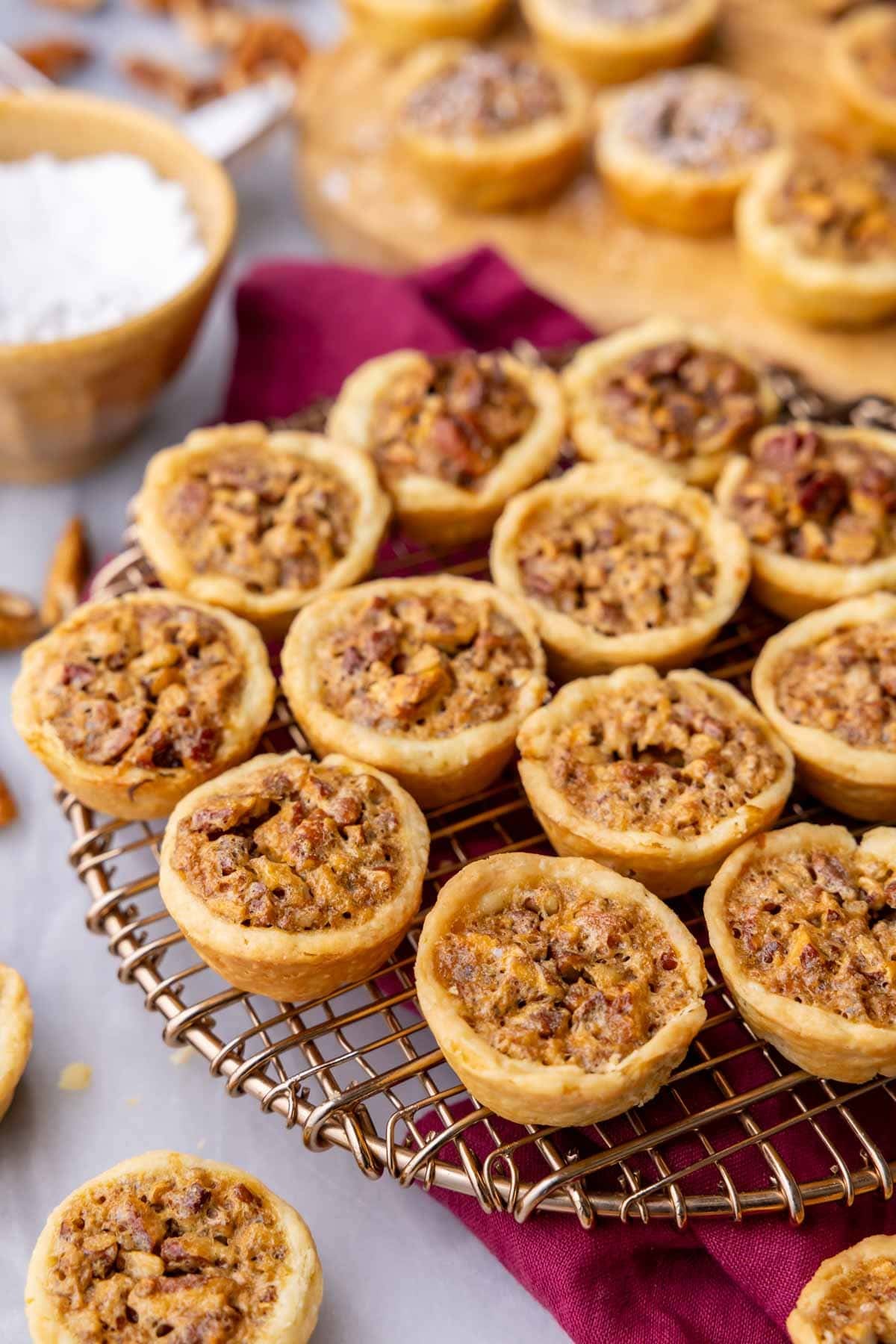
While not essential, a dusting of powdered sugar or a drizzle of melted semisweet chocolate enhances flavor and presentation. These additions are indulgent but not required. A dusting of powdered sugar adds a light sweetness and a subtle crunch, while a drizzle of chocolate introduces a contrasting richness that complements the nutty filling.
Why This Recipe Matters
For holiday gatherings, pecan tassies offer a balance of simplicity and richness. They require no chilling or slicing, making them ideal for busy parties or family events. The recipe is accessible—using basic ingredients and common kitchen tools. It also respects traditional baking principles, such as proper flour measurement and controlled moisture.
Limitations and Considerations
The recipe has been tested only in a mini muffin pan. Its performance in a regular muffin pan is unknown. Users should avoid overfilling or overbaking to prevent sticking or cracking. The recipe may not scale well beyond 24 servings due to the delicate nature of the crust and filling. Additionally, the use of a specific pan shape is critical—any deviation in size or depth could affect the final texture and appearance.
What to Watch Next
Sam Merritt plans to use these tassies at his Thanksgiving dinner. This suggests a growing trend of small, elegant desserts that combine tradition with ease of preparation. As holiday baking evolves, recipes like these are becoming more popular because they offer both nostalgia and practicality.
For those interested in similar treats, explore mini Thanksgiving pies, or try pecan praline pumpkin pie bars. A rich, crunchy alternative is chocolate cornflake cookies.
For a broader list of Thanksgiving desserts, see the best Thanksgiving pies.
For a different kind of pie, try the malted chocolate pie.
Original recipe source: Sugarspun Run.
Sources & further reading
Featured image: Close-up view of pecan tassies on a cooling rack.. Via original publisher. Image source