Winter garden beds don’t need digging to become fertile. A simple four-layer method—called lasagna gardening—can transform tired soil with minimal effort. Source: gardeningknowhow.com.
What Is Lasagna Gardening?
Lasagna gardening is a no-dig technique that mimics how soil builds up in forests. It uses layered organic materials to decompose naturally over winter, enriching the soil without turning it.
It’s also known as cold composting in place. The layers work together like a compost pile, heating up and breaking down over time. This process feeds the soil with nutrients, creating a fertile base for spring planting.
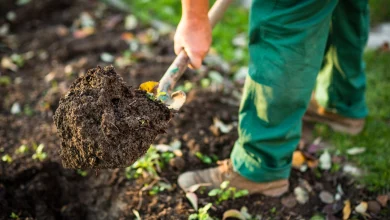
Unlike traditional tilling, which physically disturbs the soil structure and can damage beneficial microbes and root systems, lasagna gardening preserves the natural soil ecosystem. Instead of digging, gardeners layer organic materials directly onto the soil surface. Over time, these materials break down, releasing nutrients and improving soil texture, aeration, and microbial activity.
The name ‘lasagna’ comes from the layered structure of the dish—each layer contributes a distinct function, much like the layers of pasta, sauce, and cheese in a lasagna. In gardening, the layers include a weed barrier, a carbon-rich base, a nitrogen-rich green layer, and a nutrient-rich top layer. This layered approach ensures that each component plays a specific role in building healthy soil.
How to Build a Lasagna Garden
Building a lasagna garden takes four simple steps. Each layer adds a specific function to the soil ecosystem.
Flattened Cardboard
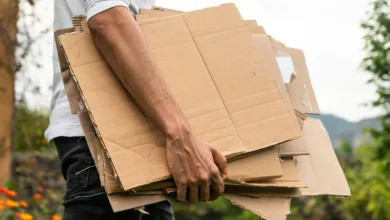
Cardboard acts as a weed barrier. First, mow or weed-whack the area to remove grass and weeds. Then lay heavy, corrugated cardboard over the soil, overlapping edges to cover the entire space.
After laying the cardboard, douse it with lukewarm water. This helps prevent drying and supports microbial activity in the soil. The cardboard blocks light and suppresses weed growth, while still allowing earthworms and other soil organisms to move through the gaps between the flutes. This balance ensures that the garden remains biologically active without requiring manual weeding.
Dry Autumn Leaves or Brown Material
This layer provides carbon and structure. Dry autumn leaves are ideal, but alternatives include straw, peat moss, sawdust, or shredded newspaper.
These materials support soil microbes and create aeration. A thick layer ensures the soil stays porous and well-structured as it decomposes. The carbon in brown materials helps stabilize the soil, preventing compaction and promoting the development of a fibrous soil network that supports root growth.
For example, dry leaves contain cellulose and lignin, which are complex organic compounds that break down slowly, releasing carbon and feeding soil microbes over time. This slow release mimics natural forest floor processes, where leaf litter decomposes gradually, enriching the soil over seasons.
Kitchen Scraps or Green Materials
Green materials add nitrogen and fuel the decomposition process. Kitchen scraps, grass clippings, coffee grounds, or manure work well.
These materials heat up during decomposition, accelerating the breakdown of the layers. The balance between green and brown materials is key—about twice as much brown as green is recommended. This ratio ensures that the decomposition process remains balanced, preventing the pile from becoming too acidic or too fast.
For instance, kitchen scraps such as fruit peels, vegetable trimmings, and coffee grounds are rich in nitrogen, which is essential for microbial growth. As these materials break down, they release nitrogen compounds that feed the soil organisms and contribute to the formation of humus, a stable, nutrient-rich soil component.
Finished Compost or Topsoil
The top layer should be rich and ready for planting. Finished compost or topsoil provides nutrients and helps seeds establish roots quickly.
For immediate planting, use a ready-made compost like Back to the Roots Organic Compost from Home Depot. This layer protects seeds and supports early growth. It also serves as a buffer against soil erosion and helps retain moisture during early planting stages.
What Happens Over Winter?
Once built, the lasagna garden begins decomposing naturally. The green and brown layers interact, heating up and breaking down into soil.
The cardboard layer blocks weeds from growing. This creates a stable, fertile environment beneath the surface.
Moisture from autumn rain and winter snow keeps the layers damp. This moisture supports microbial activity and slows drying. In colder climates, the decomposition process may slow, but it continues steadily as long as the materials remain moist and temperatures remain above freezing.
Microbes and fungi play a crucial role in this process. They secrete enzymes that break down complex organic molecules into simpler forms that plants can absorb. Earthworms also contribute by tunneling through the layers, improving soil aeration and mixing organic matter into the soil profile.
When Is It Ready to Plant?
Decomposition takes several months. The process is gradual, with the soil becoming loose and rich over time. Gardeners can monitor progress by gently tugging on the top layer—when it feels soft, crumbly, and earthy, it’s ready.
For immediate planting, small holes can be dug into the top layer. But full decomposition is needed for optimal soil health. The resulting soil is typically darker, richer, and more structured than the original bed, with improved water retention and nutrient availability.
Why This Method Matters
Many gardeners avoid digging because it’s labor-intensive. Lasagna gardening offers a low-effort alternative that still produces fertile soil.
It works best in fall, when garden beds are less active and moisture is abundant. The method supports sustainable gardening by reducing soil disturbance and minimizing the need for synthetic fertilizers or chemical amendments.
Teo Spengler, a master gardener and docent at the San Francisco Botanical Garden, has used this method for over two decades. She notes that it mimics natural forest soil development, making it both practical and ecologically sound. In her experience, lasagna gardening has helped her maintain healthy plant growth even in challenging soil conditions, such as compacted or nutrient-poor soils.
Limitations and Considerations
Not all soils are equally suited. Clay-heavy soils may slow decomposition. The method works best in well-draining, open spaces.
It requires consistent moisture. In dry winters, the layers may dry out and slow decomposition. In such cases, occasional watering may be needed to maintain dampness.
Some gardeners report that the process takes longer than expected. Results vary based on climate, material quality, and layer thickness. For example, in arid regions with limited rainfall, decomposition may take longer, especially if the materials are not properly moistened.
Lasagna gardening is not a substitute for soil testing. Gardeners should still monitor soil health before planting, especially when growing sensitive crops like tomatoes or root vegetables.
For more on seasonal gardening tasks, see our complete gardening guide.
Materials like HealthiStraw Garden Straw, Black Kow Cow Manure, and Back to the Roots Organic Compost are available at retailers such as Home Depot and Walmart.
For more on no-till gardening, visit the gardeningknowhow.com resource page.
Sources & further reading
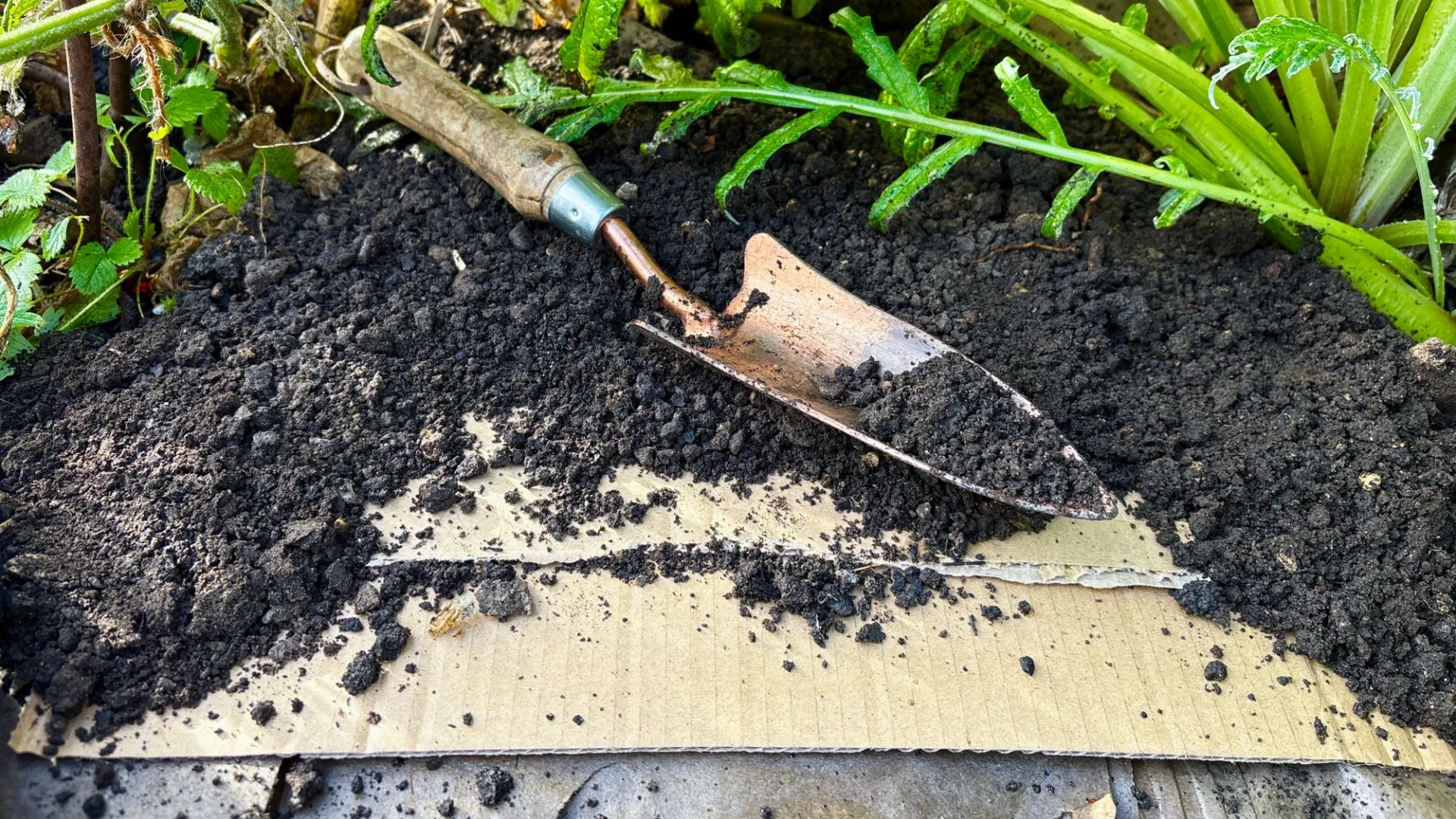
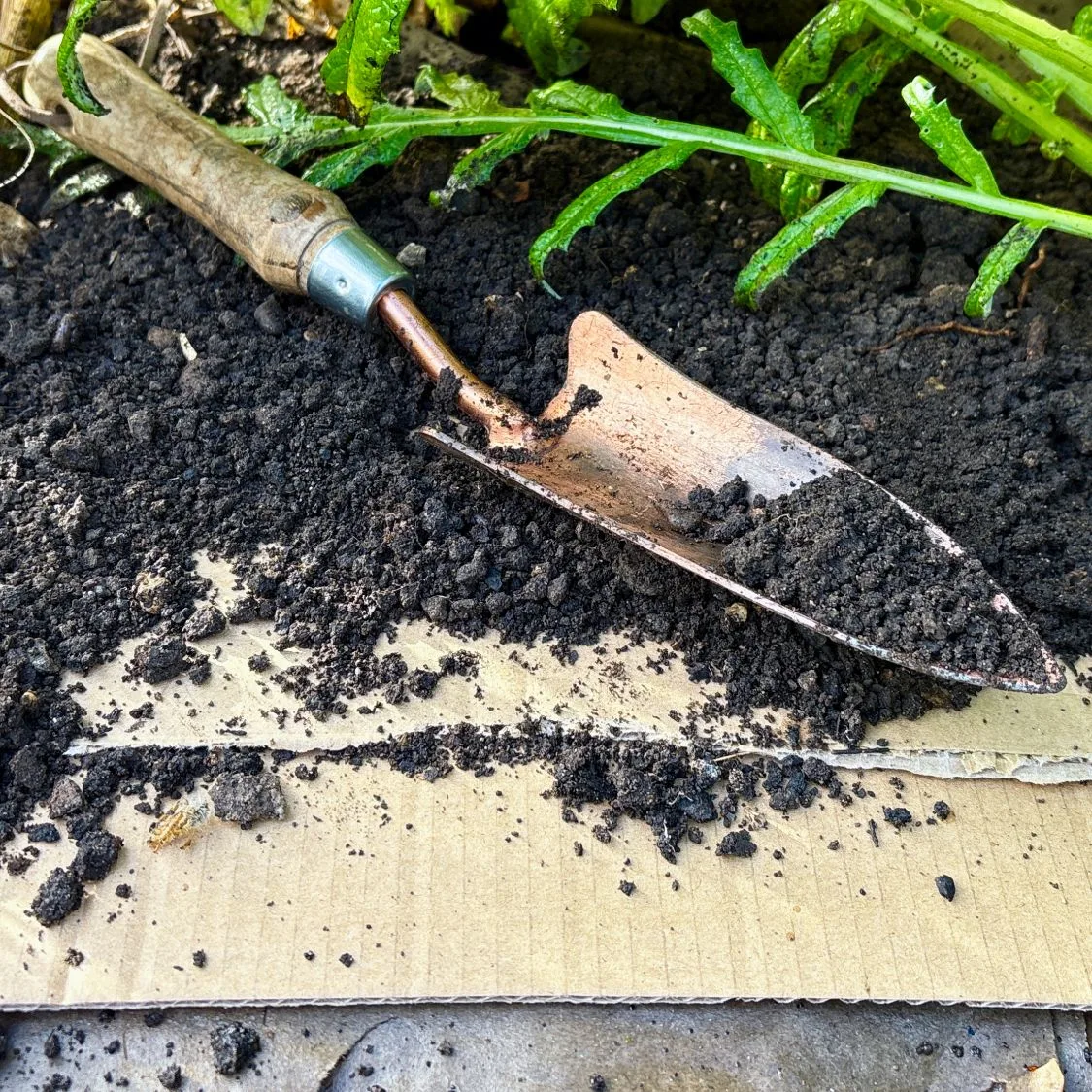
Featured image: cardboard mulch used to suppress weeds in a vegetable bed, with compost and a copper trowel. Via original publisher. Image source