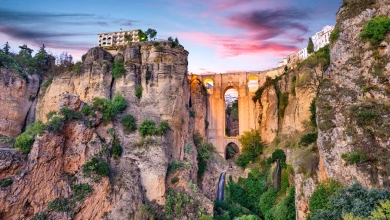
Europe’s travel landscape is shifting in 2027. A new wave of destinations is emerging—some long overlooked, others gaining momentum through cultural events, new infrastructure, or rising global interest.
Albanian Alps: Untamed Wilderness
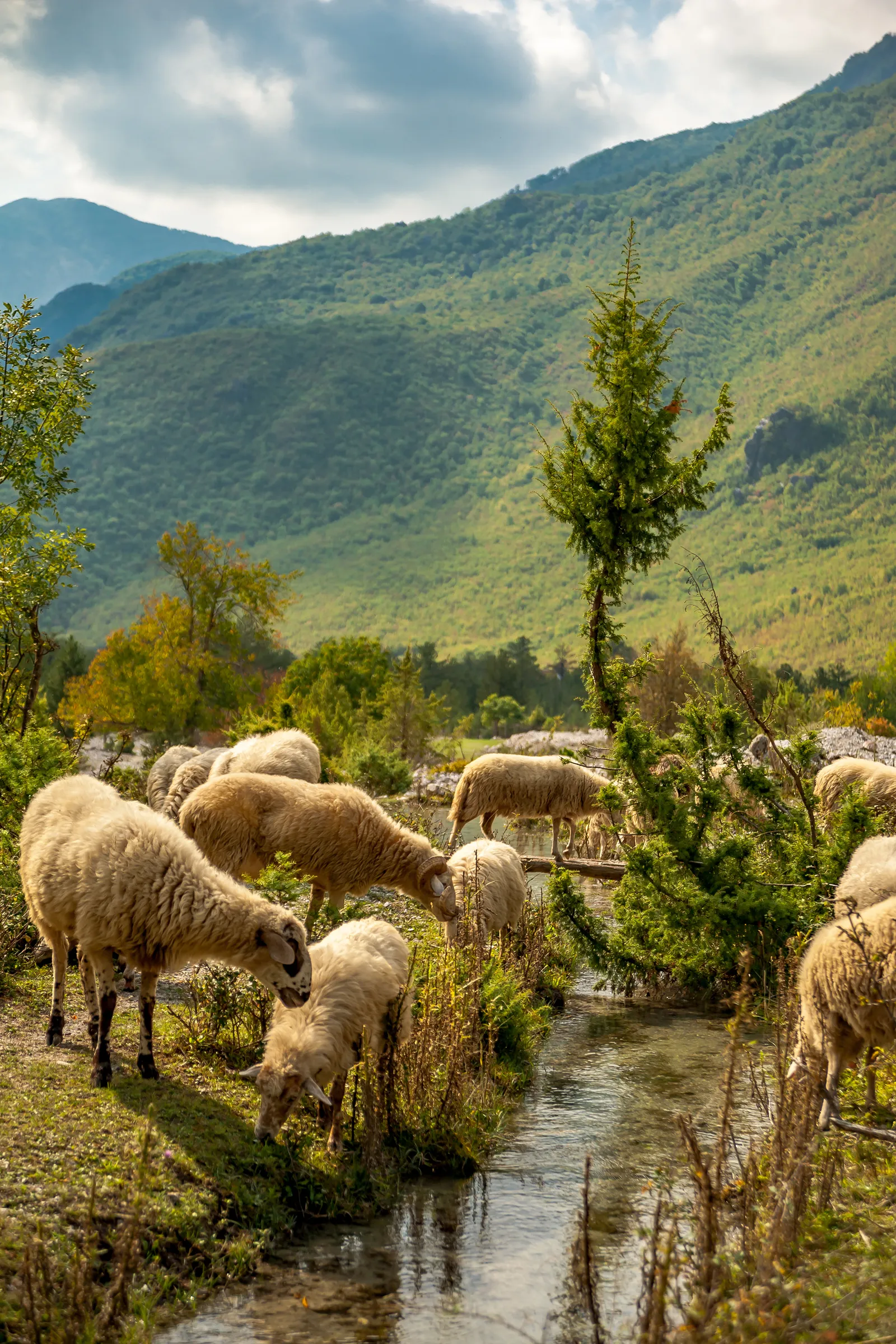
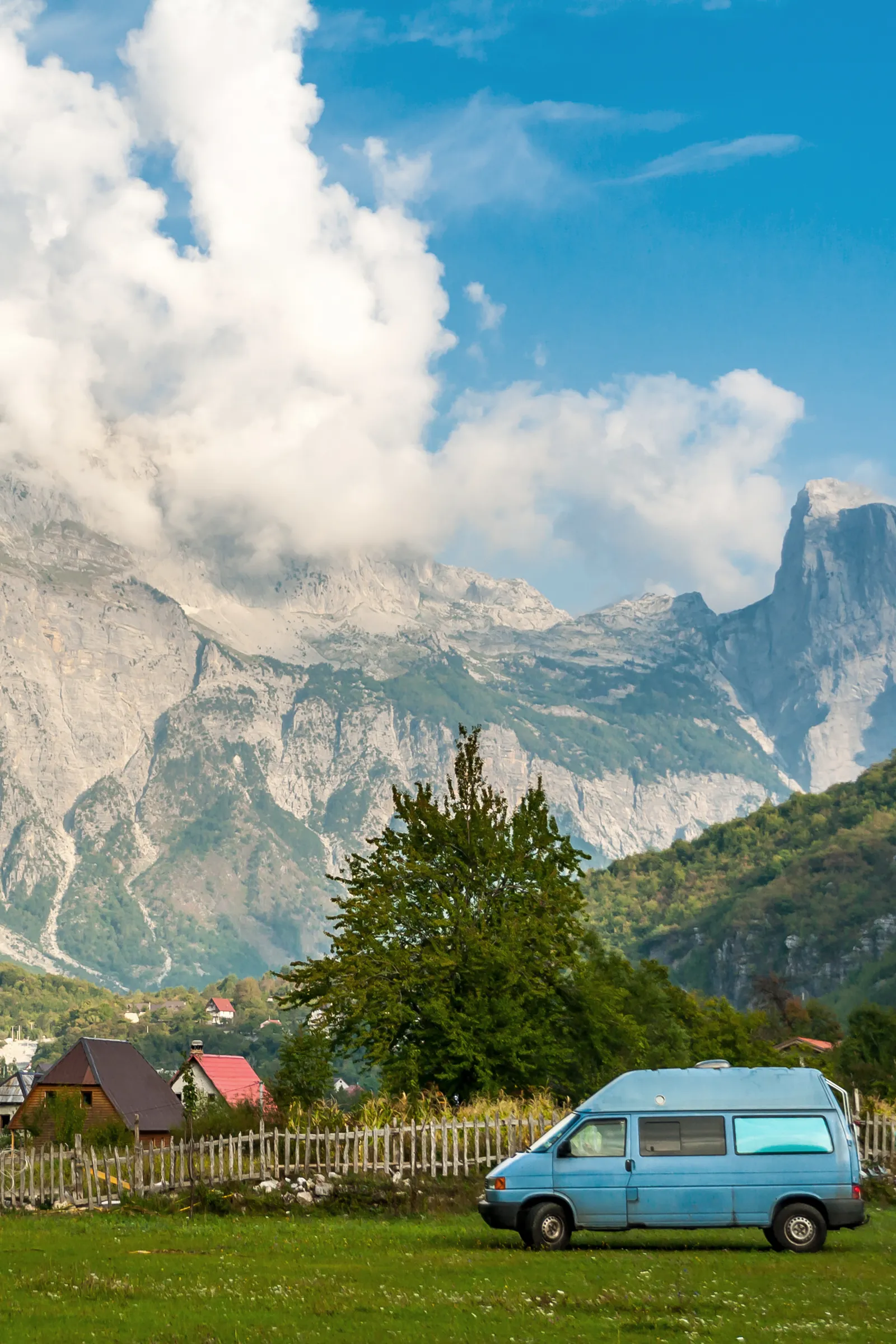
Travelers are discovering the northern Albanian Alps, a region defined by rugged beauty and a sense of quiet seclusion. Historically isolated due to its border location, the area has only recently begun to open to international visitors, with hikers and nature lovers increasingly drawn to its dramatic peaks and turquoise rivers.
Shköder, known as the gateway to the Alps, has become a hub for bikepackers and local culture. Restaurant patios spill into the streets, where guests enjoy glasses of local wine. Scenic one-day hikes connect villages like Theth and Valbona, offering travelers a taste of the region’s natural grandeur.
Multi-day treks, such as the Peak of the Balkans, now cross into Kosovo and Montenegro, with improved roads and trails making these routes more accessible than ever. Recent openings like Valbona Resort and Spa (2024) and SeSam Villas in Theth (2025) blend modern comforts with local character, offering a more sustainable and authentic experience.
Visitors may still find abandoned bunkers from the communist era scattered across the landscape—a testament to the region’s history of isolation and resilience. While bookings for stays remain competitive, the feeling is growing that this place is slipping into the realm of a shared secret, one that may be lost if travelers don’t arrive soon.
Belgrade, Serbia: A City of Play
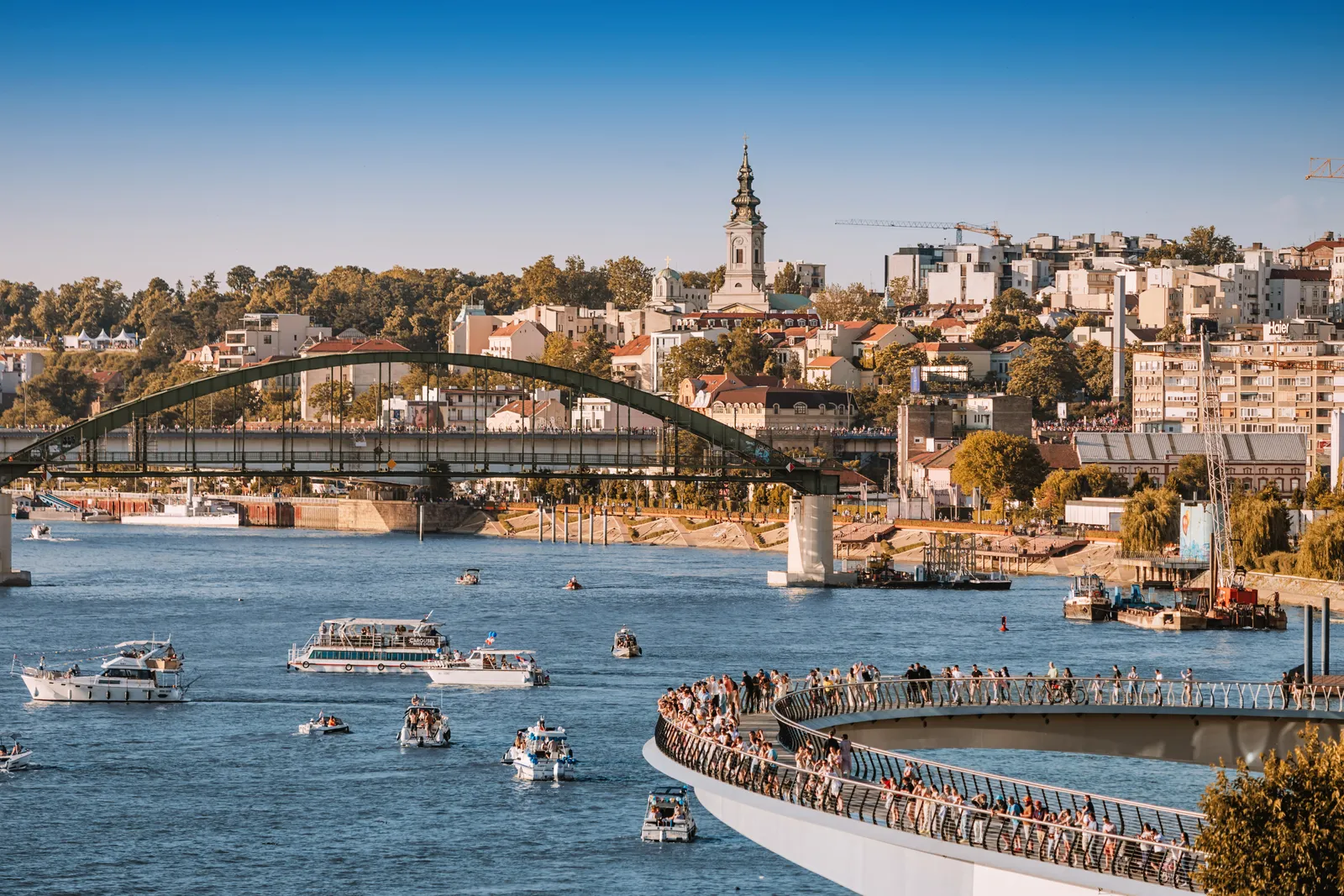
Belgrade will host the World Expo 2027, themed ‘Play for Humanity: Sport and Music for All,’ from May 15 to August 15. The event is expected to draw over four million visitors, positioning the city as a cultural and technological leader in the Balkans.
To meet the demand, 15 new hotels are set to open, including the Ritz-Carlton, Belgrade, the InterContinental Belgrade, and the Swissôtel Belgrade. These developments will add roughly 1,500 to 2,000 new rooms to the city’s hospitality scene.
Belgrade’s historic depth remains a key draw, with landmarks such as the Church of St. Sava—one of the largest Orthodox churches in the world—and the Museum of Yugoslavia, which spans an eight-acre park complex.
Bodrum, Turkey: A Summer Retreat
Bodrum has evolved from a quiet harbor into a luxury destination, shaped by a wave of high-end openings. Early champions like Aman, Mandarin Oriental, and Maçakizi have helped establish the peninsula’s reputation, with new arrivals from Dubai, Paris, and Marbella adding to the scene in 2026.
Among the new arrivals are restaurants such as Gaia, Gigi Rigolatto, and Maison Revka, which have brought a cosmopolitan, see-and-be-seen energy to the area.
2027 promises a quieter, more relaxed season. The arrival of Yahşi Bay’s NG Sign Bodrum—a villa hotel with private residences—signals a shift toward privacy and intimacy over spectacle.
By 2028, Bvlgari will open a hillside resort above Paradise Bay, which will reinvigorate interest in the peninsula.
County Limerick, Ireland: A Sporting and Cultural Hub
The estate, designed by Tom Fazio, spans 840 acres of parkland and includes a 19th-century Neo-Gothic castle, making it one of the world’s most prestigious golfing venues.
Beyond golf, Limerick has a vibrant sporting culture. Thomond Park, home of Munster Rugby, is one of the most supported rugby grounds globally. The city also offers rich historical and cultural experiences, including King John’s Castle (13th century), the Hunt Museum (with works by Picasso and Renoir), and Lough Gur, a stone circle.
For those seeking scenic views, the Wild Atlantic Way provides access to Lahinch, one of Ireland’s best surf beaches, and the iconic Cliffs of Moher.
Cologne, Germany: A City That Stays With You
Cologne may not impress at first glance, but its culture and people leave a lasting impression. The city’s 2027 carnival, with the motto ‘morje es, wat do drus mähs!’ (‘tomorrow is what you make of it’), reflects its resilient spirit, even in the face of recent challenges.
The opera house on Offenbachplatz reopened in 2026 after 15 years of renovation, a milestone celebrated by many locals and visitors alike. Nearby, the Kolumba Museum—designed by Pritzker Prize-winning architect Peter Zumthor—offers a quiet, dramatic experience, built around the ruins of the former St. Kolumba church and featuring the Madonna in the Ruins chapel by Gottfried Böhm.
Art Cologne, the world’s oldest contemporary art fair, celebrates its 60th anniversary in 2027. The city will also mark the 200th anniversary of Beethoven’s death with a series of musical events, culminating in October with pianist Igor Levit performing all 32 of Beethoven’s piano sonatas in a single evening.
Local culinary innovation is on full display. Julia Komp, Germany’s youngest Michelin-starred chef (2016), runs Sahila. Other standout dining experiences include the intimate 20-seat Onda on Händelstrasse, Vunky on Eigelstein (specializing in plant-based fine dining), Toki (the city’s first kaiseki restaurant), and Kluth, whose six-course menu—named after a local saying—reads: ‘et kütt wie et kütt’ (‘it is what it is’).
Corsica, France: Cinematic Landscapes
Corsica’s dramatic coastlines and mountain ranges have long inspired artists. Simon Jacquemus used Phare de la Pietra, a 19th-century lighthouse, as the backdrop for his Spring 2027 fashion show, describing the event as ‘a cliff that I add colors on top. An impressionist painting.’
The island, once named Kallisté (‘most beautiful’ by the ancient Greeks), features UNESCO-listed areas such as the Scandola Nature Reserve. Its rugged beauty and cinematic appeal are now drawing a new wave of design-conscious travelers.
Hotels like A Mandria di Murtoli—a 10-room retreat in restored stone buildings—and Hotel Mylos on the west coast are attracting visitors seeking authenticity and aesthetic depth. The maiden voyage of the Orient Express Corinthian in 2027 will open up fishing ports, medieval citadels, and coastal towns to a broader audience, expanding access to Corsica’s hidden corners.
The Danish Riviera: A Coolcation Destination
As temperatures rise across Europe, the Danish Riviera has emerged as a preferred coastal escape. This 60-mile stretch in Northern Zealand offers a relaxed, scenic alternative to crowded beaches, blending the aesthetic appeal of Copenhagen with the charm of fishing villages and historical seaside resorts.
Visitors can explore the Louisiana Museum of Modern Art in Humlebæk and enjoy 19th-century seaside hotels that have been reimagined with modern design. Stays like Cori in Hornbæk and Hôtel de Ville in Gilleleje blend heritage with contemporary style.
Michelin-starred restaurants such as Jordnær, The Samuel, and Parsley Salon represent the pinnacle of New Nordic Cuisine.
Dartmoor, UK: Austen-Style Adventures
Dartmoor has long inspired literature. The 2026 release of Georgia Oakley’s adaptation of Sense and Sensibility, shot in Princetown, Tavistock, and Gutter Tor, has drawn renewed attention to the region.
The film coincides with Dartmoor National Park’s 75th anniversary. Winter conditions are especially dramatic, with misty mornings and moorland winds that demand a retreat to a cozy, fire-lit space.
Free conservation days in 2027 offer hands-on experiences in prehistoric archaeology, wildlife, and rare species preservation. Tavistock’s Pannier Market is full of antiques and curiosities, ideal for treasure hunting. Buckfast Abbey, a 12th-century Benedictine site, produces a famous tonic wine using a secret recipe.
Boringdon Hall, a historical hotel on the edge of the moor, features a Michelin-starred Àclèaf restaurant that retained its star in 2026—a rare achievement in a world focused on new openings.
Évora, Portugal: A Hidden Cultural Gem
Évora, a UNESCO World Heritage Site since 1986, features a Roman temple, a Gothic cathedral, and the Baroque Cathedral of Bones. The city is widely regarded as Portugal’s prettiest, remaining overwhelmingly peaceful and quiet at many times of the year.
In 2027, Évora will become one of the European Capitals of Culture. The city’s cultural identity is reflected in its motto, ‘vagar’ (to wander), emphasizing a lifestyle of exploration and reflection.
Local cuisine includes porco à alentejana (clams and pork stew), ensopado de borrego (lamb stew), and a variety of soups. Olive oil and bread are staples. Wine is produced on traditional herdades across the Alentejo region.
At its heart, Évora offers a sense of quiet discovery—its charm lies in the idea that you can still wander, without a reservation, and still feel like you’re part of a secret.
Fuerteventura, Canary Islands: A Wellness Escape
Fuerteventura, the second-largest and oldest of the Canary Islands, is becoming a wellness hub. Paradisus by Meliá and Zel Fuerteventura—co-founded by Rafael Nadal—form the first wellness center in the Atlantic, located within a UNESCO Biosphere Reserve.
Both resorts are situated on Sotavento beach, known for its white sand and crystal-clear waters. The area is also a world-class destination for water sports, including windsurfing and kitesurfing, with René Egli by Meliá offering training facilities.
Villages like La Oliva are home to boutique stays such as Casa Montelongo, one of the area’s hidden gems. The island offers dramatic volcanic deserts, traditional Majorero cheese, and golden beaches—making it ideal for travelers seeking wellness, relaxation, and outdoor activity.
Liepāja, Latvia: A City in the Spotlight
Liepāja, a Baltic coastal city, will become a European Capital of Culture in 2027, with a year-long program of public art, performances, and festivals funded by $11 million.
Art-nouveau architecture and a former naval district offer unique experiences. The St. Nicholas Naval Cathedral and Wiktorija cinema (dating from 1913) are key cultural landmarks. The Liepāja Symphony Orchestra, the oldest in the Baltics, is expanding its programming ahead of the cultural year.
Businesses like MO Liepāja in Julianna’s Courtyard now host restaurants, bars, and creative spaces such as Drtyboards, a local surfboard maker, reflecting a vibrant, modern energy in the city.
Naples, Italy: A City of Contradictions
Naples is both gritty and cultured. It will host the Louis Vuitton 38th America’s Cup from July 10 to 18, 2027, an event that has helped regenerate the industrial Bagnoli waterfront.
The city’s hospitality scene is evolving, with Rocco Forte Hotels opening its first Naples property—a 46-suite retreat in the 16th-century Palazzo Sirignano, restored by architect Michele Bönan.
The National Archaeological Museum will open a new site, Mann II, bringing thousands of artifacts into public view. The Madre Museum has welcomed internationally acclaimed curator Eugenio Viola as its new director.
Traditional Neapolitan cuisine remains a highlight, with standout spots including Da Attilio, Concettina ai Tre Santi, 50 Kalò, Diego Vitagliano, and Pizzaria La Notizia. Donna Teresa and Mimì alla Ferrovia are also among the beloved mainstays serving authentic Neapolitan food.
Parga, Greece: An Under-the-Radar Gem
Parga is a picturesque Ionian town with pine-clad hills and a Venetian castle. Despite its beauty, it remains under the radar, offering a peaceful escape for travelers seeking authenticity.
Valtos Beach, with award-winning Blue Flag status, is a highlight. A regular water taxi connects the town to the bay, turning harbor suppers into adventures. The Acheron River offers opportunities for horseback riding, rafting, and canyon walks.
The 2027 opening of Varko Bay will add high-end villas, a spa, and a private marina, expanding the destination’s offerings. Preveza Airport, just one hour away, makes Parga accessible without long travel.
These destinations reflect a broader trend: Europe is not just about well-trodden paths. It’s about places that are evolving, culturally, physically, and socially. The best places to go in 2027 are those that offer authenticity, access, and a sense of discovery.
For more travel inspiration, see the original source at https://www.cntraveler.com/story/the-best-places-to-go-in-europe-in-2027.
Sources & further reading
Featured image: Image may contain Field Grassland Nature Outdoors Countryside Animal Livestock Mammal Sheep Grazing and Farm. Via original publisher. Image source