
J.R.R. Tolkien, best known for his epic fantasy series The Lord of the Rings, was not just a storyteller—he was a philologist. His deep expertise in ancient languages shaped every name in his world. As a scholar of Indo-European languages, Tolkien approached world-building not as a mere act of fiction, but as a rigorous academic endeavor. His fascination with linguistic history, especially the evolution of Old Norse, Old English, and Elvish languages, informed every element of his fictional universe.
Tolkien believed that names were the first element in the creation of a world. In his own words, "The invention of languages is the foundation. The ‘stories’ were made rather to provide a world for the languages than the reverse. To me a name comes first and the story follows." This philosophy is evident in every character name across the series. The names were not arbitrary; they were carefully constructed to reflect cultural, mythological, and linguistic roots, creating a sense of authenticity and depth.
Names Rooted in Ancient Languages
Many of the names in Middle-earth derive from Old Norse, Old English, and Celtic traditions. For instance, the name Éowyn is constructed from two Old English elements: eoh, meaning "horse," and wynn, meaning "joy." This combination evokes a sense of noble strength and spirited vitality, fitting for a warrior woman who ultimately plays a pivotal role in the defeat of the Dark Lord. While some scholars have speculated a connection to the Irish Gaelic name Eoghan, meaning "born of yew," no definitive link has been established between the two. However, this kind of cross-linguistic borrowing reflects Tolkien’s broader practice of drawing from multiple ancient traditions to build a rich, layered world.
Similarly, the name Gandalf originates in the Old Norse Gandálfr, which translates to "wand-elf." The root gandr means "wand, staff, or magic," while álfr denotes "elf." This name appears in the Völuspá, a key narrative poem of the Poetic Edda, which serves as a foundational text of Norse mythology. In Middle-earth, Gandalf is known by several names, including Mithrandir in Sindarin, which means "Grey Pilgrim," and his true name, Olórin, which means "dream" or "vision" in Quen-ya. These names reflect both the character’s power and his mysterious, almost otherworldly nature.
Arwen and Galadriel: Elvish Names with Meaning
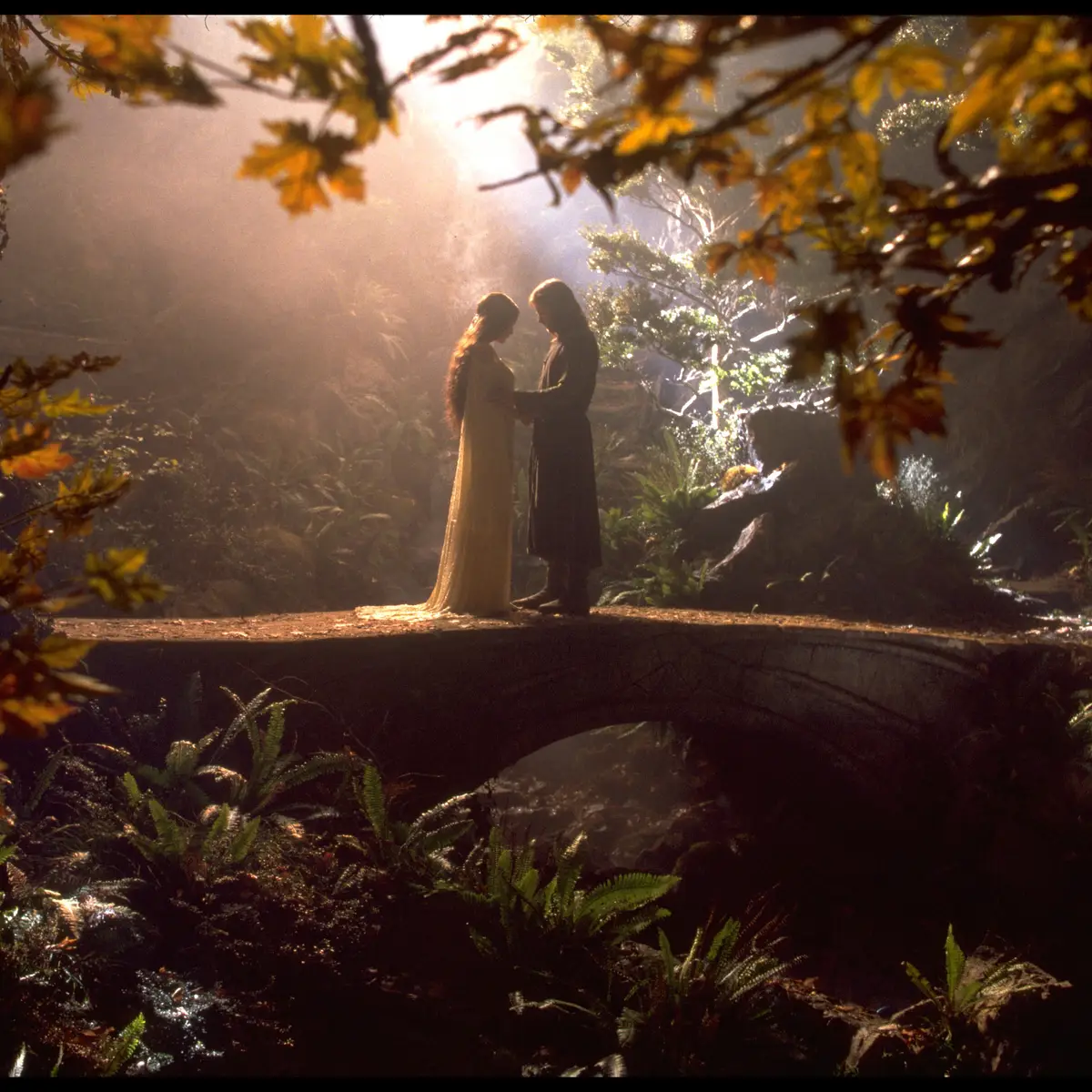
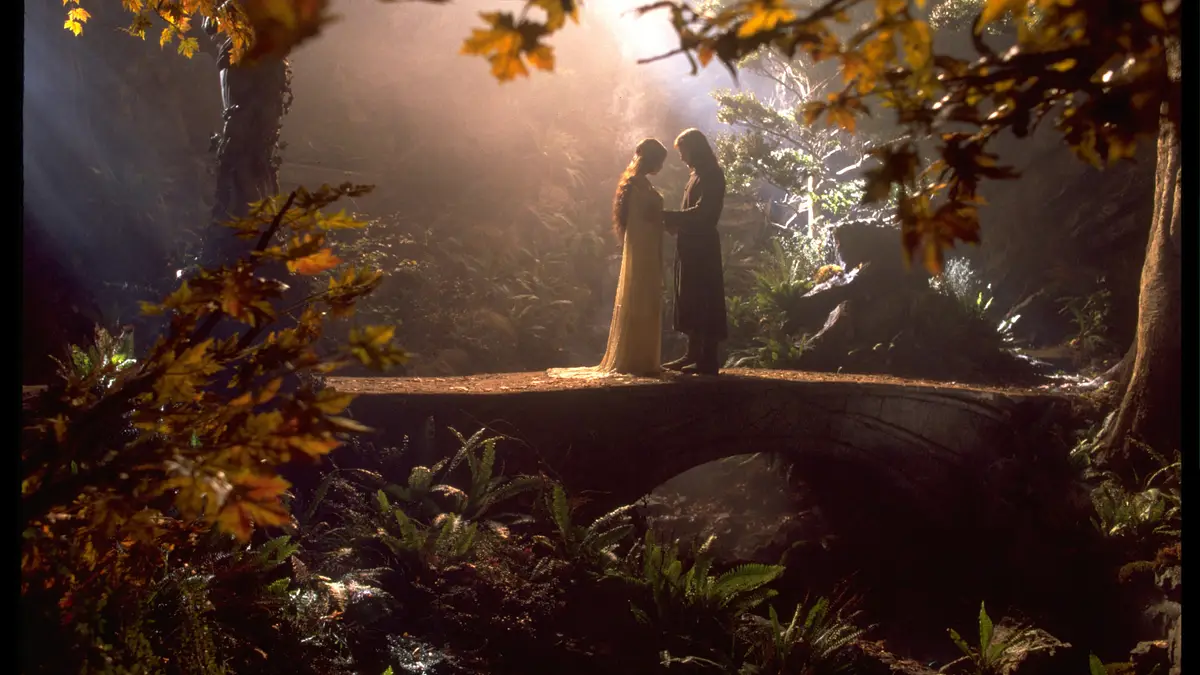
Arwen, the noble elven maiden, means "noble maiden" in Sindarin. It has also been linked to the Welsh name Arwyn, which means "fair" or "blessed," suggesting a possible cultural resonance between Welsh and Elvish traditions. Galadriel, meaning "maiden crowned with a radiant garland," embodies the elegance and grace of the elven race. These names were not chosen randomly—they were part of a deliberate design to reflect the cultural and mythological depth of the world Tolkien created.
Each name was crafted with attention to phonetic consistency, cultural resonance, and emotional impact. For example, the name Frodo comes from the Norse name Fróði, which means "wise" or "clever." In Norse mythology, Fróði is said to have been a wise and just king, known for his integrity and leadership. One legend recounts that during his reign, a golden ring left outside would never be stolen—symbolizing the moral strength of a wise ruler. This historical and mythological context adds a layer of depth to Frodo’s journey, suggesting that his name is not just a label, but a reflection of his inner qualities.
Key Characters and Their Name Origins
- Bilbo Baggins: The name "Bilbo" was intentionally nonsensical. Tolkien wrote that such names were common among hobbits, with no meaning in daily language. The surname "Baggins" was inspired by the word "bag," and refers to "Bag End," the name of his aunt’s farm in Worcestershire. The house became a symbol of the Shire’s cozy, rural life. This personal connection shows how real-world experiences informed the fictional world.
- Éowyn: This name combines Old English elements: "eoh" (horse) and "wynn" (joy). It has also been linked to the Irish Gaelic name Eoghan, meaning "born of yew," though no direct connection has been confirmed. The name reflects Tolkien’s use of Anglo-Saxon roots in character design.
- Gandalf: The name comes from Old Norse Gandálfr, meaning "wand-elf." It appears in the Völuspá, a key text of Norse mythology. In Middle-earth, Gandalf is known as Mithrandir ("Grey Pilgrim" in Sindarin) and his true name is Olórin, meaning "dream" or "vision" in Quenya.
- Gollum: His name comes from a distinctive sound—"a horrible swallowing noise." Scholars suggest it may derive from Old Norse gull (gold) or Hebrew golem (an animated figure made of clay). Before becoming Gollum, he was named Sméagol. Some linguists believe this name comes from Old English sméah (creeping) or sméagan (to ponder).
- Frodo: This name comes from Fróði, a Norse king known for wisdom. The name means "wise" or "clever." In early drafts, Tolkien called the hero "Bingo Bolger Baggins," showing how names evolved during development.
- Saruman: The name comes from Old English searu, meaning "cunning" or "skilled." His Elvish name, Curumo, means "skilled man" in Quenya. This reflects the character’s role as a powerful, yet flawed, wizard.
- Shelob: In a letter to his son, Tolkien said the name is a compound of "she" and "lob." The word "lob" comes from Old English loppe or lobbe, meaning spider. This name blends simplicity with a sense of menace.
- Smaug: The name is not from modern smog. In a 1938 letter, Tolkien wrote it is a past tense of the Germanic verb smúgan, meaning "to squeeze through a hole." This is a playful, philological joke—showing his love of language and humor.
- Thorin and the Dwarves: The names Thorin, Durin, and Dwalin come from the Dvergatal section of the Völuspá, a Norse mythic text. These are "outer names" used by dwarves when speaking to non-dwarves. Their inner names, in the dwarven language Khuzdul, are never revealed to readers.
Why the Names Matter
Tolkien’s approach to naming was deliberate. He wrote a detailed handbook, Guide to the Names in ‘The Lord of the Rings’, explaining which names should be translated and how. This shows he treated names as foundational elements of world-building. Each name was a bridge between myth, language, and character. The names helped readers feel the world was real, grounded in ancient traditions. They also reflected Tolkien’s belief that language shapes identity and culture.
Despite the detailed roots, some names remain unclear. For example, the exact connection between Éowyn and Eoghan is speculative. The origin of Gollum’s name is still debated among scholars. While many roots are identified, the full linguistic path behind each name is not always known. Tolkien himself acknowledged that some names were chosen for their sound or feel, not for literal meaning. This balance between linguistic precision and creative freedom remains a point of interest for scholars and fans alike.
His work continues to inspire interest in language, mythology, and world-building. The names in The Lord of the Rings are not just labels—they are living parts of a world shaped by deep linguistic research. For readers and researchers, understanding these names offers a window into how language and storytelling are intertwined. It shows that names are not just labels—they are cultural artifacts.
Learn more about the languages behind Tolkien’s world at the original source: Mental Floss.
Sources & further reading
Featured image: original publisher image. Via original publisher. Image source
