Every year, a new wave of creative works enters the public domain. In 2027, works first published in 1931 will become freely available for use, marking a significant shift in access to classic films, books, and music.
This includes several iconic films, novels, and songs. The rule applies only to U.S.-originated works that met specific copyright requirements.
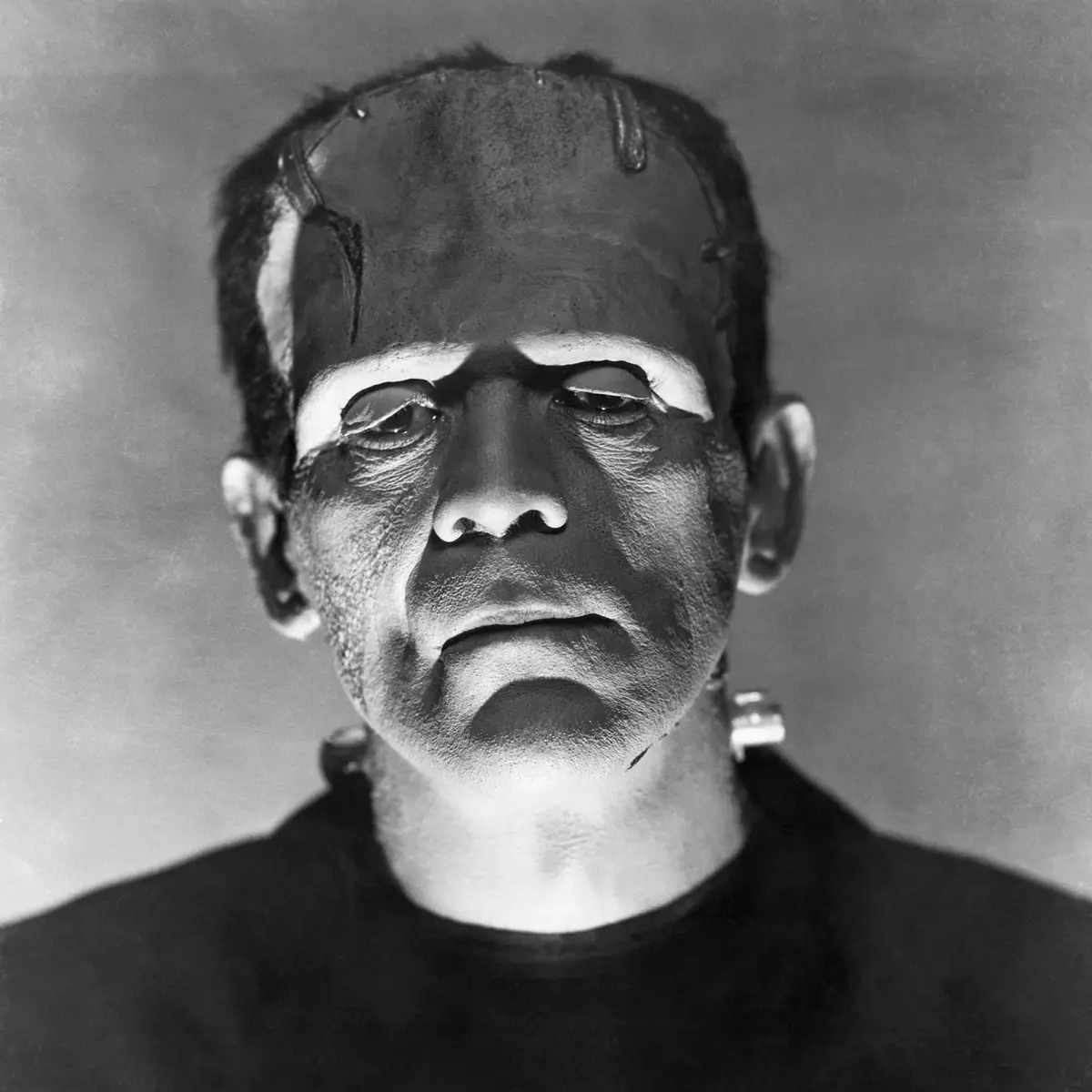
- James Whale’s film Frankenstein
- Tod Browning’s Dracula
- Charlie Chaplin’s City Lights
- William A. Wellman’s The Public Enemy
- Paramount’s Monkey Business
- William Faulkner’s Sanctuary
- Pearl S. Buck’s The Good Earth
- Dashiell Hammett’s The Glass Key
- Nancy Drew books: The Secret at Shadow Ranch and The Secret of Red Gate Farm
- Music: As Time Goes By, Minnie the Moocher, and Mood Indigo
How the Copyright Rule Works
Under U.S. copyright law, works are protected for 95 years from publication. However, this protection only applies if the work was published with a copyright notice and then renewed after 28 years.
Copyright Office’s catalogs. These records have been digitized and made accessible through the Internet Archive.
Sound recordings follow a different timeline. The 2018 Music Modernization Act extended protection for recordings published between 1923 and 1946 by five years.
Key Works and Their Backgrounds
Frankenstein
The original novel by Mary Shelley is already in the public domain. But the 1931 film version, directed by James Whale, is protected under copyright. Universal registered it on November 16, 1931, and renewed it in 1959.
Boris Karloff played the monster after Bela Lugosi declined the role. The film’s iconic scene—‘It’s alive! It’s alive!’—will be available for public use.
Dracula
Universal registered Tod Browning’s Dracula on February 2, 1931. It was released on Valentine’s Day and became a major financial success for the studio.
Historians have noted that the film helped stabilize Universal during a period of financial uncertainty, effectively saving the studio from bankruptcy.
City Lights
Charlie Chaplin registered the film in his own name on February 1, 1931, and renewed it in 1958. The story follows the Little Tramp, who befriends a blind flower girl and later saves a drunk millionaire.
While the film enters the public domain, the Little Tramp is a registered trademark. Merchandise featuring the character must not be sold without permission.
The Public Enemy
Warner Bros. registered this film on April 4, 1931. It is widely regarded as a defining role for James Cagney.
The film was based on the novel Beer and Blood by two former newspapermen. It was renewed in 1958, meaning the famous scene of Cagney pushing a grapefruit into Mae Clarke’s face will be freely available.
Monkey Business
Paramount’s Monkey Business was registered on September 17, 1931. Directed by Norman McLeod, it features a story by S.J. Perelman and Will B. Johnstone.
It follows the Marx Brothers’ tradition of satirical comedy. This film is the third in a series of Marx Brothers films entering the public domain annually.
Sanctuary
William Faulkner registered Sanctuary on February 9, 1931. It was renewed in February 1958.
There is a separate copyright on an introduction Faulkner added in 1932. That preface was renewed in 1959. Reprinters must omit the preface until 2028.
The Good Earth
Pearl S. Buck registered The Good Earth on March 2, 1931. It was renewed in March 1958.
This is the first book in her Wang family trilogy. The series includes Sons and A House Divided. The trilogy helped establish Buck’s literary reputation, leading to her 1938 Nobel Prize in Literature.
The Glass Key
Dashiell Hammett registered The Glass Key twice in 1931—once in January and once in April. It was renewed in October 1958.
Hammett’s habit of double registration shows his attention to copyright detail. The novel follows the same detective genre as his earlier work, The Maltese Falcon.
Nancy Drew Books
The first four Nancy Drew books entered the public domain in 2026.
The Secret at Shadow Ranch was registered on January 28, 1931. The Secret of Red Gate Farm was registered on August 12, 1931. The authors listed are Harriet S. Adams and Edna C. Squier—names behind the pen name Carolyn Keene.
Music
As Time Goes By was registered by Herman Hupfeld on July 28, 1931. It was renewed in 1958. The song became famous in the 1942 film Casablanca, where it is played by Sam.
The sheet music is now in the public domain. However, the film itself remains protected until 2038.
Minnie the Moocher was registered by Cab Calloway and Irving Mills on April 7, 1931. It was renewed in March 1959. This is only the composition, not the recordings. Calloway’s original 1931 records remain protected under the 100-year rule for sound recordings.
Mood Indigo was first published in sheet music in 1931. Though the music was created in 1930, the copyright clock started with the sheet music. It was registered on February 1, 1931, with Irving Mills and Albany Bigard. This makes it part of the 2027 public domain class.
Important Limitations
Entering the public domain does not mean all uses are unrestricted. The version of the work published in 1931 is the one that goes public. Later versions, adaptations, or reimaginings remain protected.
Trademark rights still apply to character names and designs. For example, the image of Frankenstein or the Little Tramp can still be used as a brand identifier in merchandise.
Public domain access does not extend to derivative works or modern adaptations. These are still under copyright.
For creators, educators, and the public, this year marks a rare opportunity to use classic works without legal restrictions. But the boundaries remain clear.
Learn more about the public domain and its impact on creative works at Mental Floss.
Sources & further reading
Featured image: original publisher image. Via original publisher. Image source