People who have been consistently overlooked or rejected in relationships often struggle with emotional recognition. When someone shows them kindness, their reaction may not reflect what they truly feel. Source: yourtango.com.
What Happens When Someone Is Not Used to Being Loved?
Aricka Croxton, a relationship expert, shares insights from her work with individuals who have experienced emotional neglect. These people often grow up in environments where affection is not consistently shown or accepted.
As a result, they may not recognize when someone is being kind or attentive. Their emotional responses are shaped by past experiences of being ignored or dismissed.
Common Phrases They Use When Expressing Love
- ‘I don’t know what to say’ – A hesitation that reflects uncertainty about how to express affection.
- ‘I’m not used to being this cared for’ – A direct admission of emotional unfamiliarity.
- ‘I don’t want to make you feel bad’ – A protective instinct, often rooted in fear of hurting someone.
- ‘I’m not sure if I’m good enough’ – A recurring self-doubt that stems from past rejections.
- ‘I don’t know if I deserve this’ – A deep-seated belief that love is earned, not given.
- ‘I’ll just let it go’ – A passive response that avoids emotional confrontation.
These phrases are not signs of disinterest. They are emotional signals shaped by lived experience. They show a person who has learned to protect themselves from vulnerability.
Why These Phrases Matter in Relationships
Understanding these phrases helps partners recognize emotional patterns. It allows for more patience and empathy in communication.
When one person says, ‘I don’t know what to say,’ it may not mean they don’t care. It may mean they’ve never been taught how to express care in a safe way.
Similarly, saying ‘I don’t want to make you feel bad’ often reflects a fear of rejection. This is not a lack of love—it is a learned response to past pain.
These expressions are not flaws. They are symptoms of emotional resilience built in the face of neglect.
How Partners Can Respond
Instead of interpreting these phrases as dismissals, partners should respond with patience and curiosity.

For example, when someone says, ‘I’m not used to being this cared for,’ a thoughtful response might be: ‘I see that. I want to keep showing you how much I care.’
Such responses validate the person’s experience and reduce the emotional distance that has built up over time.
It’s important to note that not all people who say these phrases are emotionally distant. Many are simply trying to protect themselves from pain.
Limitations and Open Questions
The source does not provide data on how common these phrases are across different cultures or relationship types. There is no research on whether these expressions correlate with long-term relationship stability.
While the article identifies patterns, it does not explore whether these phrases are more common in certain age groups or relationship stages. The sample size and context are not specified.
Additionally, the article does not address how these phrases might differ in romantic, familial, or platonic relationships.
These gaps suggest that while the observations are insightful, they remain descriptive rather than diagnostic.
For readers seeking deeper understanding, resources like tender phrases used by wives or commonly annoying phrases may offer contrast in how affection is expressed.
Understanding how people express love—especially when it’s not easy—can deepen emotional connection. It reminds us that love is not just about grand gestures, but about how we respond to the quiet moments of being seen.
Sources & further reading
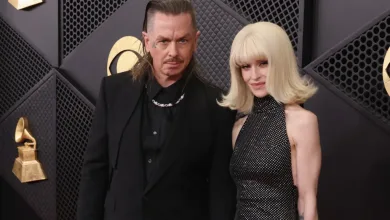
Featured image: woman who isn't used to being someone's favorite looks serious next to a man who loves her. Via original publisher. Image source