Generational differences in romantic values are more than cultural trends—they reflect lived experiences shaped by historical context. Source: yourtango.com.
How Birth Era Shapes Romantic Expectations
People born in the 1950s, 1960s, 1970s, and 1980s grew up in distinct social and economic environments. These differences influence how individuals define romance today.
For those born in the 1950s, romance often meant commitment, stability, and long-term partnership. The post-war era emphasized family, marriage, and shared responsibilities.
Those born in the 1960s saw a rise in individualism and personal freedom. Romantic relationships began to prioritize emotional connection over duty. The counterculture movement encouraged self-expression and personal choice in love.
By the 1970s, romance became more fluid. People began to value emotional intimacy over formal rituals. The rise of feminism and greater gender equality helped redefine what love meant for both men and women.
Those born in the 1980s grew up during a time of digital transformation and shifting social norms. Romance was increasingly seen as personal, spontaneous, and less bound by tradition. Dating apps and music culture helped shape modern expressions of affection.
Personal Experiences Reflect Broader Trends
Lyss Micalizzi, the author of the article, notes that people from different decades often describe romance differently—without judgment or exaggeration.
One person born in the 1950s recalls their first romance as a period of shared chores and family dinners. ‘We didn’t have dates or fancy dinners,’ they said. ‘It was about building a life together.’
A 1960s-born individual describes a love story that began with music and conversation. ‘We didn’t need to go on dates,’ they explain. ‘Just talking for hours about dreams and fears was enough.’
A 1970s-born person emphasizes emotional honesty. ‘Romance meant being open about fears and insecurities,’ they say. ‘It wasn’t about perfection—it was about being real with each other.’
A 1980s-born person shares how romance is now about shared experiences and digital connection. ‘Texting, video calls, and shared playlists matter,’ they note. ‘It’s not about grand gestures—it’s about presence and consistency.’
Why These Differences Matter Today
Understanding generational views of romance helps couples navigate modern relationships. It also informs how dating platforms and relationship advice are designed.
For instance, a 1950s-born person might expect a long-term commitment with shared responsibilities. A 1980s-born person might prioritize emotional connection over shared chores.
These differences can lead to misunderstandings—especially in long-term partnerships. Recognizing where each person’s values come from helps reduce friction.
Relationship advice that assumes one model of romance may fail to resonate with people from different decades.
Limitations and Open Questions
The article does not include data from large-scale studies or surveys. The insights are drawn from personal anecdotes and general observations.
There is no breakdown of how many people from each generation hold these views. The sample size is small and not statistically representative.
Additionally, the article does not explore how urban versus rural environments, education, or socioeconomic status may influence romantic values.
While the trends are plausible, they are not proven through empirical research. The claims remain descriptive rather than analytical.
What to Watch Next
As society continues to evolve, romantic expectations may shift further. Future research could examine how digital culture, climate anxiety, and economic stress affect how people express love.
Longitudinal studies on generational attitudes toward relationships could provide deeper insight. These might include surveys on emotional intimacy, communication styles, and expectations of partnership.
Meanwhile, relationship platforms like Tango are already adapting content to reflect diverse romantic values across generations.
Sources & further reading
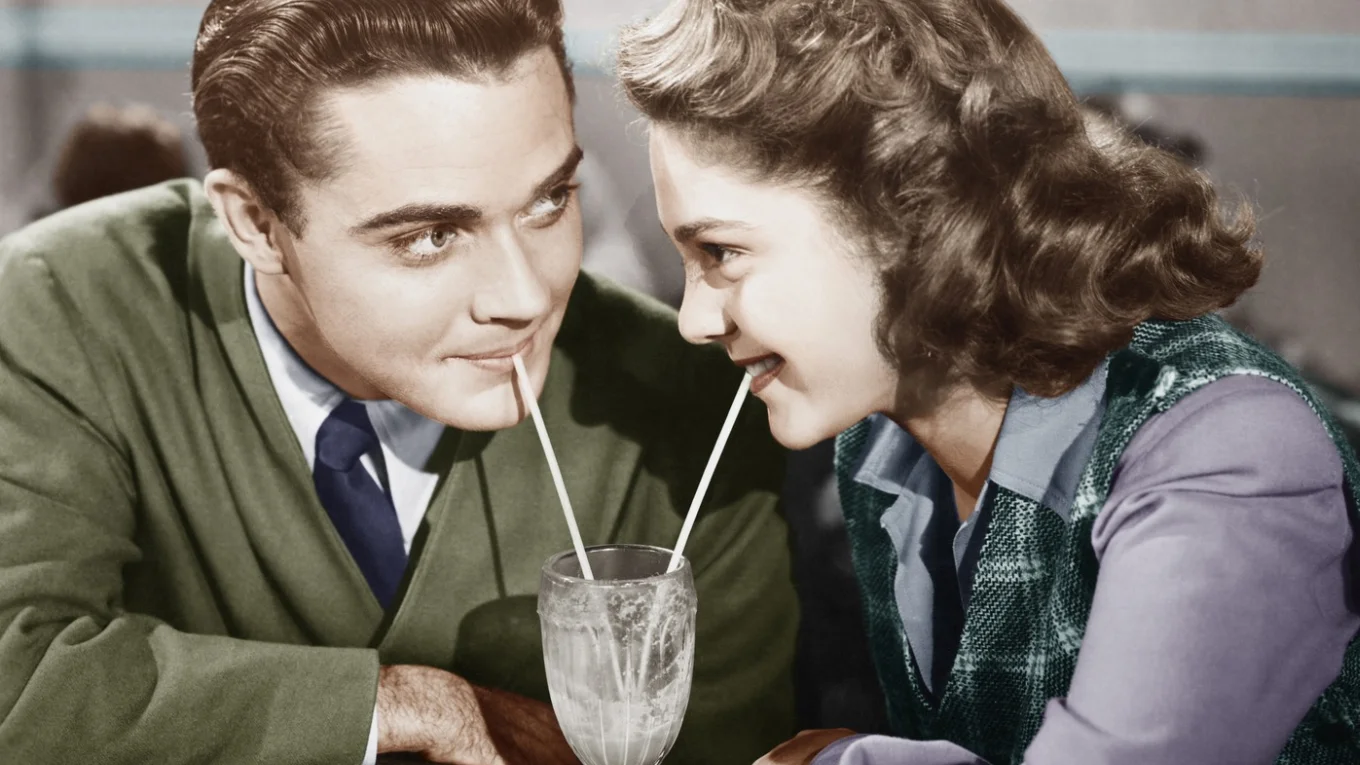
Featured image: people born 50s 60s 70s 80s different ideas being romantic. Via original publisher. Image source