
Aliko Dangote, Africa’s richest man, is launching an oil refinery in Lamu, Kenya. The project supports his goal to industrialise Africa by 2030. It aims to transform Kenya’s energy and industrial base, making the country a regional hub for refined fuels and energy.
What Happened
Dangote and Kenyan President William Ruto will break ground on the refinery. The event took place in Nairobi. Both leaders stressed the project’s role in economic growth, job creation, and energy security for East Africa.
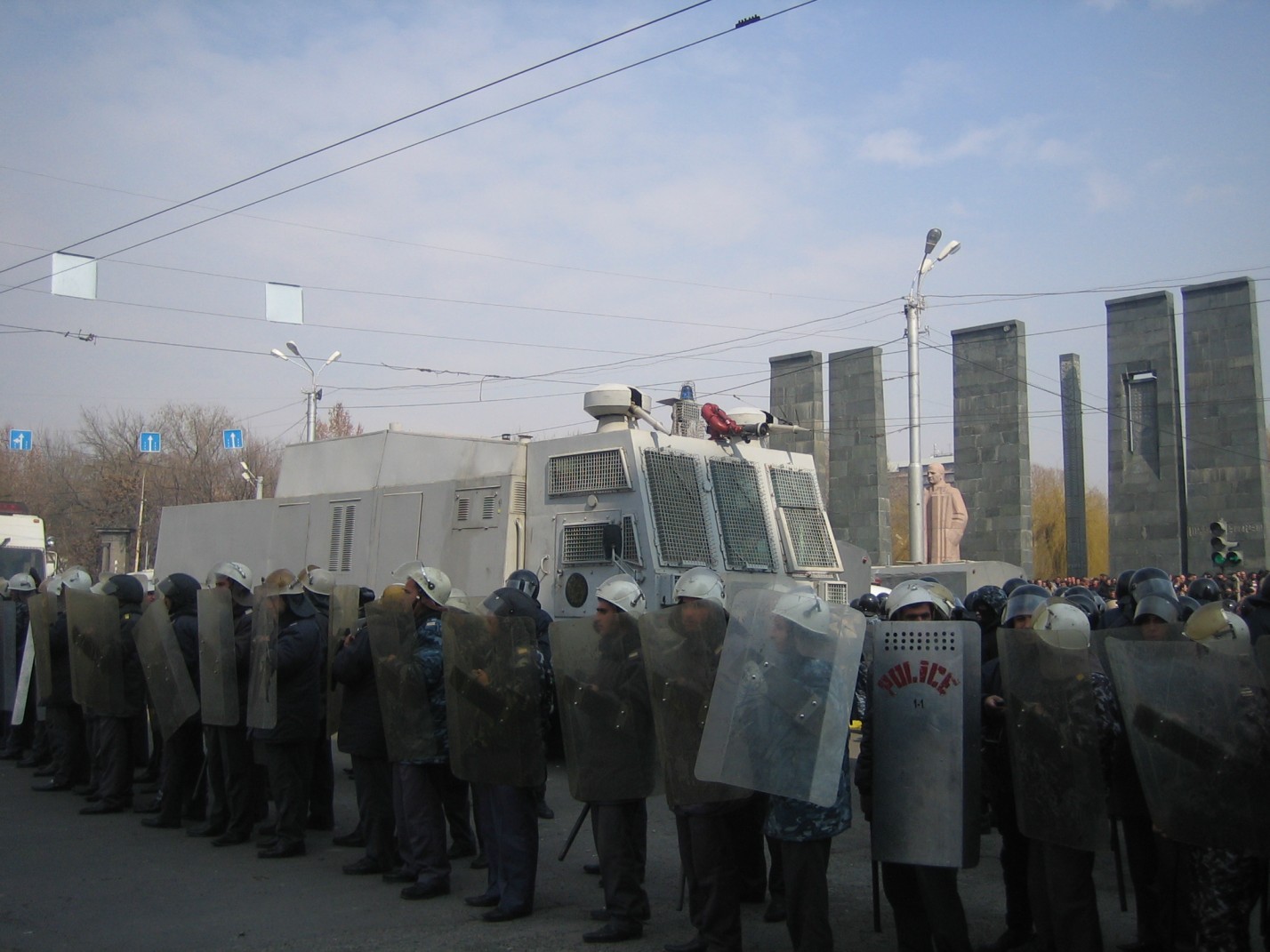
Local residents in Lamu have protested. They demand fair land compensation. The Save Lamu campaign group says the project lacks transparency. They argue it has not spoken to local people. Their concerns include damage to coastal ecosystems and marine life.
Key Facts
- The refinery will process 700,000 barrels of crude oil daily—making it East Africa’s largest industrial project by capacity.
- It includes a 1,000-megawatt power plant. This will support local industries and Dangote’s operations. It may also serve regional energy needs.
- The project is Kenya’s largest infrastructure initiative since independence. It surpasses the Standard Gauge Railway in scale.
- Construction will create about 60,000 jobs. Benefits will ripple through local supply chains and small businesses.
- Dangote says the refinery will be ready by 2030—on schedule despite delays in community talks and environmental reviews.
- Refinery operations will not use regional crude oil. Kenya’s Energy and Petroleum Minister Opiyo Wandayi says it will source from global markets—like Singapore.
How the Project Works
Refineries do not produce oil. They process crude oil from global markets into usable fuels. Dangote cited Singapore as an example. That country has no oil production but runs major refineries.
The Lamu refinery will not source crude from East Africa. It will draw from global markets—such as the Middle East, U.S., and Gulf region. This model allows Kenya to reduce reliance on expensive imported refined fuels.
Dangote has about $50bn in projects across Africa. These include plans for 10,000 megawatts of power by 2030—potentially doubling with rising demand. The Lamu power plant is part of this vision. It offers stable electricity to the refinery and nearby industries.
Why It Matters
The refinery could lower Kenya’s high fuel prices. While crude oil prices are set globally, local refining cuts distribution costs. This may improve affordability for rural and peri-urban users.
It supports a key goal: turning raw materials into finished goods. Kenya could refine minerals like cobalt and copper locally. This would capture more value instead of exporting raw materials.
Video: Watch the original video report at the source
The source uses a video player that WordPress cannot safely embed automatically.
The project is Dangote’s largest investment outside Nigeria. His Nigerian refinery already processes 700,000 barrels per day. He plans to double that capacity after raising funds through a share offering earlier this year.
Community and Environmental Concerns
Residents fear environmental harm. The Lamu coast has mangroves and marine life vital to local fishing and livelihoods. Critics say no full environmental impact assessment (EIA) has been released.
Walid Ali, co-founder of the Save Lamu campaign, says the community hasn’t seen the EIA or proposed safeguards. He points to past projects that ignored environmental risks. Without public access, the community cannot assess risks or shape the project.
Dangote dismissed protests as staged. In a BBC interview, he asked: ‘Have you ever seen people demonstrating against themselves in terms of development?’ This statement has been criticized for ignoring real concerns and suggesting a lack of accountability.
The project has not held public forums or engaged communities in planning. Critics warn that without ownership, such projects may cause long-term harm—like displacement or ecosystem loss.
What to Watch Next
As construction begins, the public will watch for:
- The full environmental impact assessment and mitigation plans—released with public access and review sessions.
- Community engagement efforts—especially how land compensation will be calculated and shared.
- How fuel prices change with new refining capacity—monitoring affordability for consumers.
- Whether the power plant supports regional energy needs—like grid integration with neighbors.
- Long-term sustainability—such as waste management, emissions control, and environmental monitoring.
These developments will shape the project’s legacy. If handled well, it could set a precedent for inclusive, responsible infrastructure. If not, it may show a gap in balancing ambition with accountability.
For more on Dangote’s broader ambitions, see the original BBC report.
For insights into Africa’s energy and industrial development, explore our coverage of Businesses & Economy.
For updates on Africa’s infrastructure projects, visit World News.
Sources & further reading
Featured image: Armenian Presidential Elections 2008 Protest Day 11 – French Embassy… by Serouj, Public domain, via Wikimedia Commons. Image source
