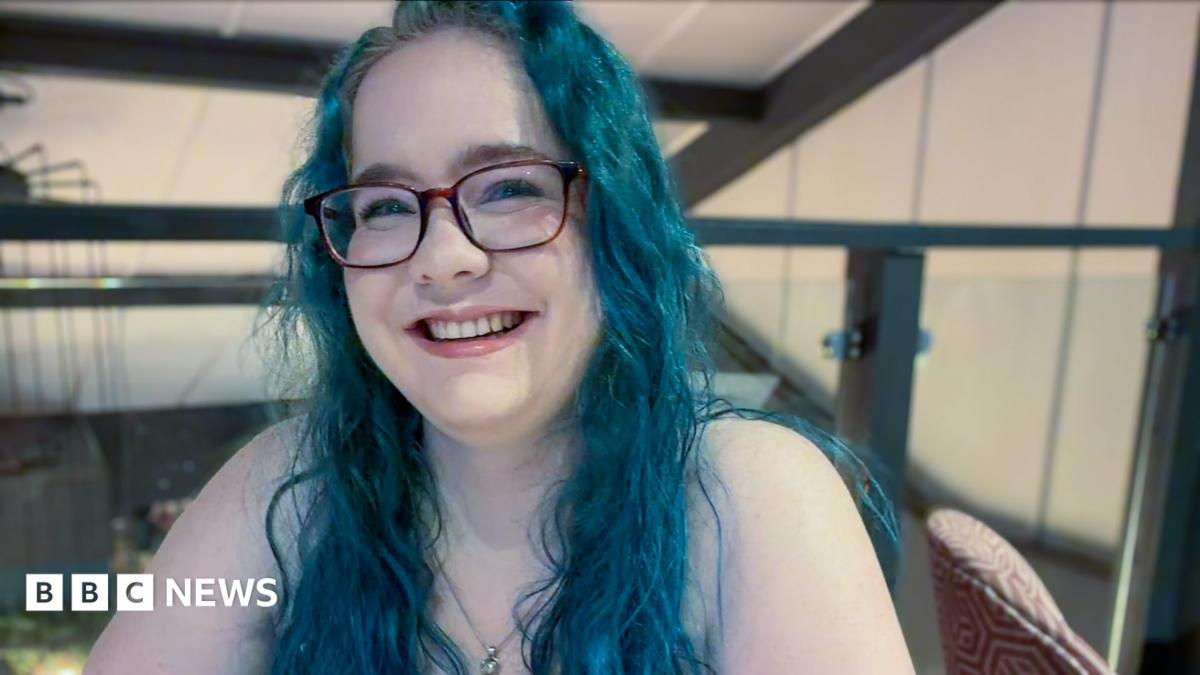
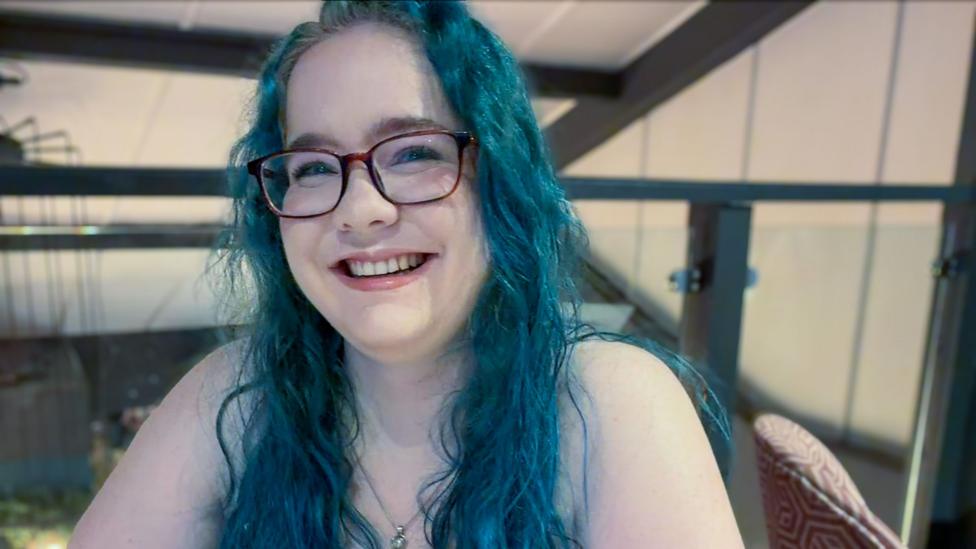
Olivia Miller-Davis stands in a bar in Guildford, nervous but determined. She’s here not to swipe, but to meet someone in person. Her hesitation is shared by many. A growing number of singles say they’ve had enough of endless swiping on dating apps. The digital age has brought convenience, but also a sense of emotional distance — one that many are now actively trying to escape. Source: bbc.co.uk.
Why People Are Moving Away from Dating Apps
App fatigue is real. A 2023 Ofcom study found that while 11% of adults use dating sites, time spent on them has dropped from nearly four hours a month to three hours the previous year. This decline suggests a shift in how people approach romantic connections — not because they’ve stopped dating, but because they’ve grown skeptical of the format.
Olivia, 28, says she hates judging people based on just a few photos and limited bios. She feels she can’t truly commit to someone without knowing them well. She describes the experience as ‘like reading a profile from a stranger in a book — you don’t know their voice, their laugh, their quirks.’
Many people we spoke to say they’ve grown tired of the format — where conversations are shallow and connections feel fleeting. They often end up in ‘chat graveyards’ — long, unproductive conversations that lead nowhere. These digital interactions lack the spontaneity and emotional depth that come from face-to-face encounters.
Speed Dating as a New Norm
Events like the one in Guildford are now common. They offer a structured, in-person setting where singles can talk to multiple people in a short time.
At these events, people are often more open. There’s no need to hide behind a screen. Everyone is single, ready to mingle, and the chance for real conversation is greater. The atmosphere is less performative, more authentic — a space where people can listen, respond, and connect without filters.
Organisers like Love at First Sign use an app to match people based on astrological signs — but most attendees use the app only as an icebreaker. The real connection happens in the room, not on the screen. This blending of technology and human interaction reflects a broader trend: people are using digital tools to ease entry into real-life conversations, not to replace them.
Lissy Cleminson, director of events, says the shift is tied to remote work. Since the pandemic, more people work from home. That means fewer office meet-cutes and fewer spontaneous interactions. ‘The little meet-cutes don’t happen so much when you’re at home with your shirt up top and your pyjamas down bottom,’ she jokes. ‘You’re not walking past someone in a coffee shop, you’re just scrolling through your phone.’
Why Dating Events Are Seen as Better Value
Many attendees say dating events offer better value than apps. They typically cost between £15 and £30. That includes a drink and a fun activity — like a shared app experience during the night. The cost is comparable to one date from an app, yet it allows for multiple interactions in a single evening.
Candice Gallagher, a 40-year-old entrepreneur, runs a TikTok account called @Candilicious. She’s attended 10 dating events in 10 weeks. She sees them as a business opportunity. She calls them a ‘greater return on investment’ than online dating, which often leads to ‘chat graveyards’ — long, unproductive conversations with little progress.
She notes that at these events, people are more present, more engaged. There’s a shared energy — a sense of collective purpose. ‘You’re not just looking for a date,’ she says. ‘You’re looking for a moment of connection that feels real, not curated or algorithmically designed.’
Costs of Dating Are Rising
More than a quarter of daters surveyed by Barclays say rising costs have changed how they date. Monthly dating expenses — including apps, clothes, outings, and gifts — can add up to about £130. For many, this is a significant financial burden.
For Olivia, money was a barrier. After changing careers, she put dating on hold. She felt it wasn’t a priority until she was earning more. She says dating isn’t just about apps. It’s about time, energy, and financial commitment. When income is uncertain, romantic pursuits often take a back seat.
Online Dating Still Plays a Role
Despite the rise in in-person events, online dating remains significant. A Match Group survey of 3,007 single people found that 20% met their most recent partner on a dating app. Another 20% met through friends.
Among baby boomers, 21% met their most recent partner at a pub, bar, or club. Among Gen Z, that number is just 4%. This suggests a generational divide in how people meet — older generations are more likely to form relationships through social settings, while younger people are more comfortable with digital platforms.
Chine Mmegwa, head of strategy at Match Group, says Tinder has made changes to appeal to younger users. Features like interactive music and astrology help users learn more about each other before meeting. A new ‘double date mode’ allows friends to date together, encouraging shared experiences and deeper bonds.
Match Group says it’s now pushing more in-person experiences. Events have been launched in the US and are now expanding to the UK. The goal is clear: bring real-life connection into the app experience. The app is no longer just a tool for swiping — it’s becoming a gateway to real-world interaction.
What This Means for Singles
People are no longer just swiping. They’re choosing to meet in person — not just for fun, but for meaningful connection. The shift reflects a deeper desire for authenticity and depth in relationships.
Olivia says her night was a success. She met several men she might want to go on a first date with. When asked if she met ‘the one’, she laughs. ‘No, I’m not going to name anyone specific. But you’ll be invited to the wedding if there is one!’
There’s no guarantee of success. But for many, the shift from apps to real-life meetings reflects a deeper desire for authenticity and depth in relationships. As more people move away from swiping, the future of dating may be less about screens and more about shared experiences — in person, in real time.
Sources & further reading
Featured image: Olivia Miller-Davis, with long blue hair and glasses, sits smiling in a bar. Via original publisher. Image source